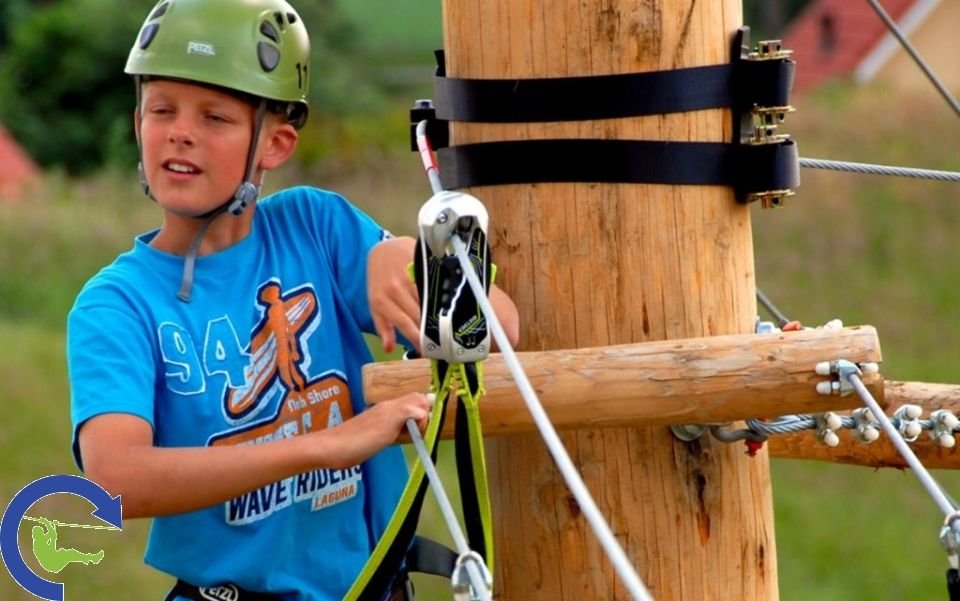
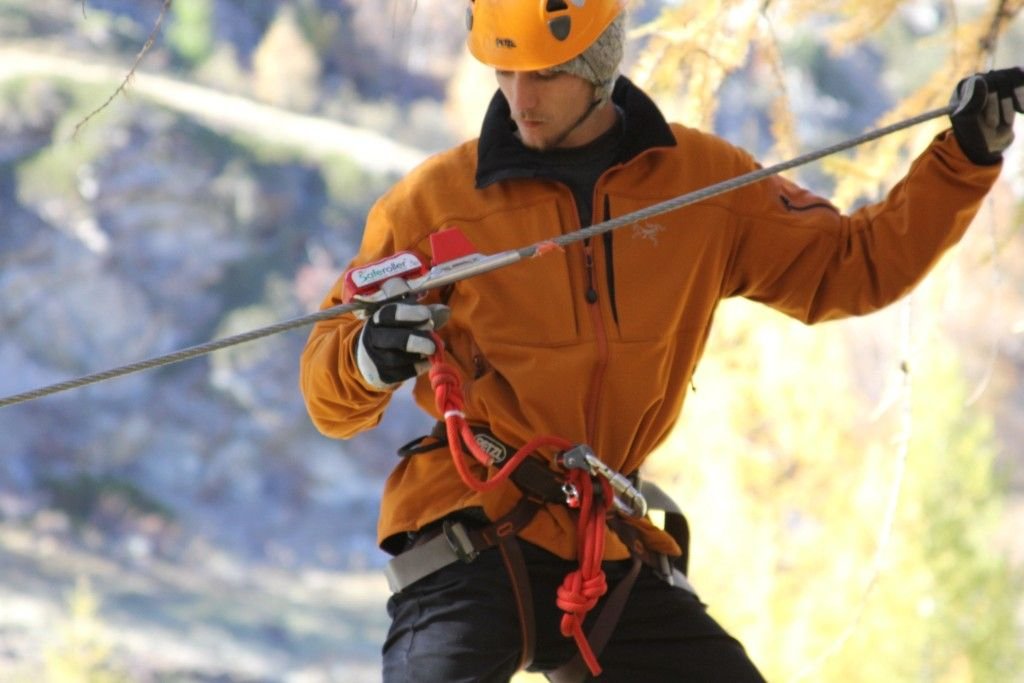


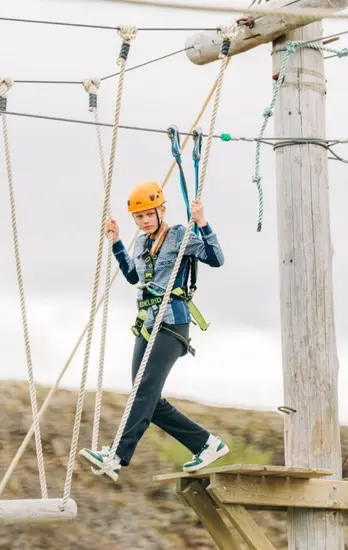
Why belay selection is an operational decision, not just a safety requirement
Self-belay, Smart Belay, and Continuous Belay compared
Use this matrix to assess which system best fits your operational profile. Skywalker recommends Smart Belay or Continuous Belay for all new installations; self-belay is included for reference against existing infrastructure only.
| Criteria | Self-belay | Smart Belay | Continuous Belay |
|---|---|---|---|
| Overall safety level | Low | High | Optimal |
| Guest handling ease | Difficult | Improved | Superior |
| Staff efficiency (ROI impact) | Low | Moderate | High |
| Instruction complexity | Complex | Simple | Minimal |
| Visitor throughput | Low | Medium | Maximum |
| Retrofit compatibility | High | High | Low |
| Initial CAPEX | Low | Medium | High |
| OPEX / maintenance load | Moderate | High | Low |
| Skywalker recommendation | Not recommended | Recommended | Highly recommended |
Four systems for every ropes course configuration
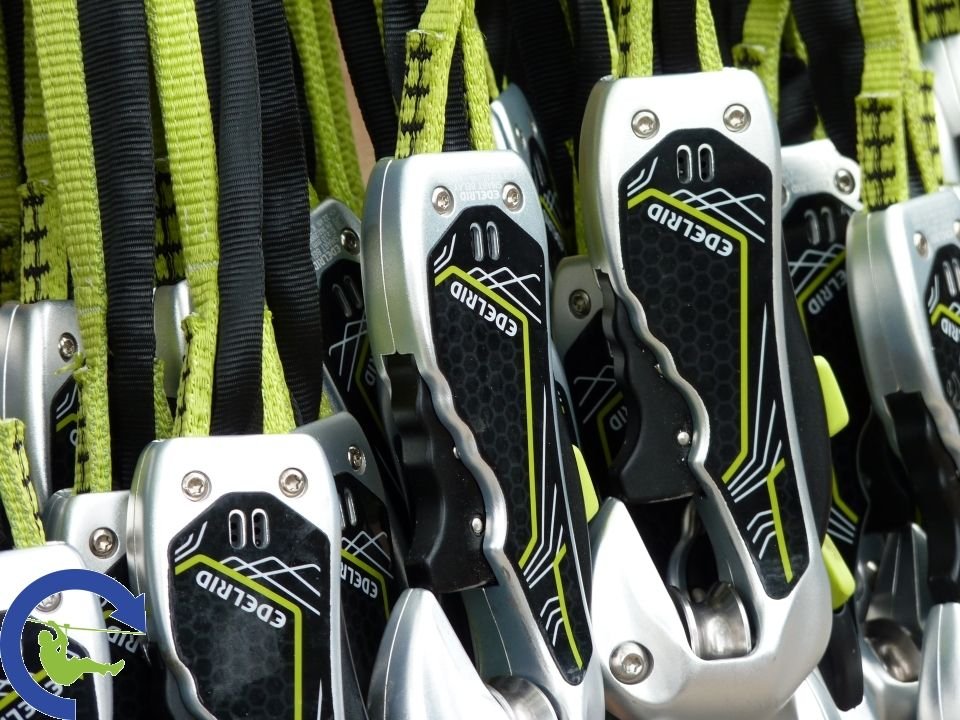
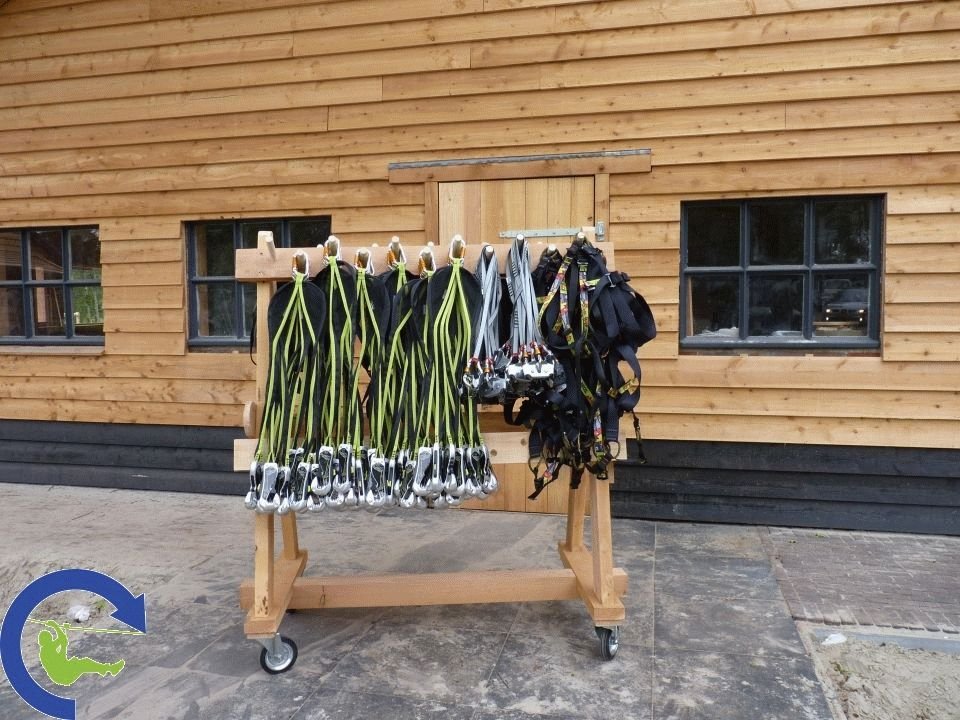
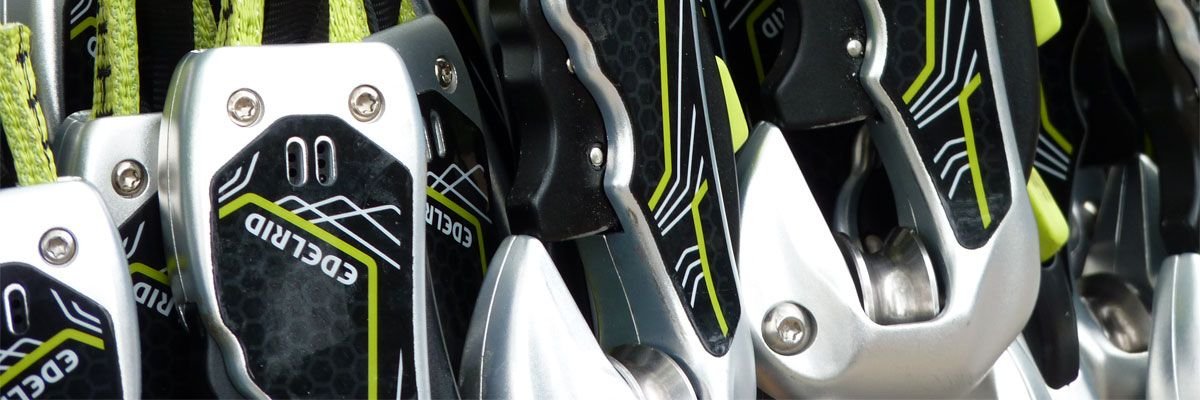
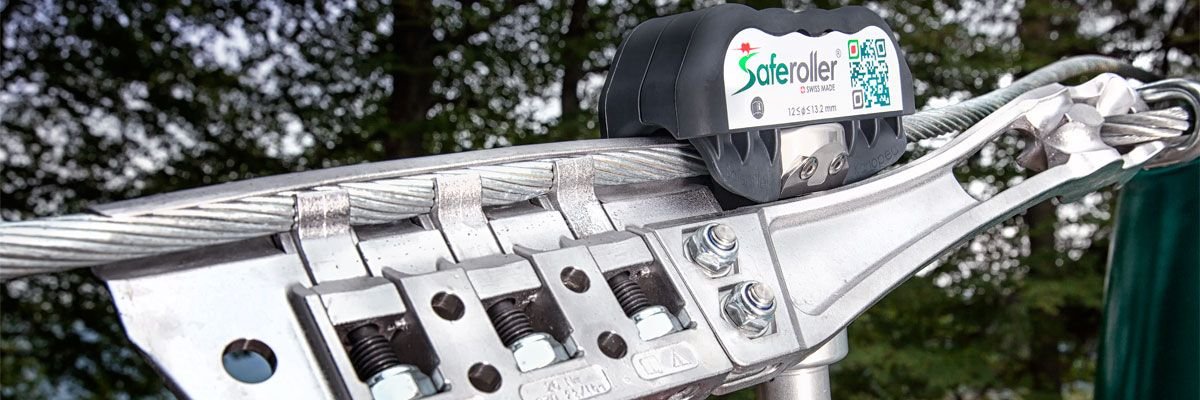
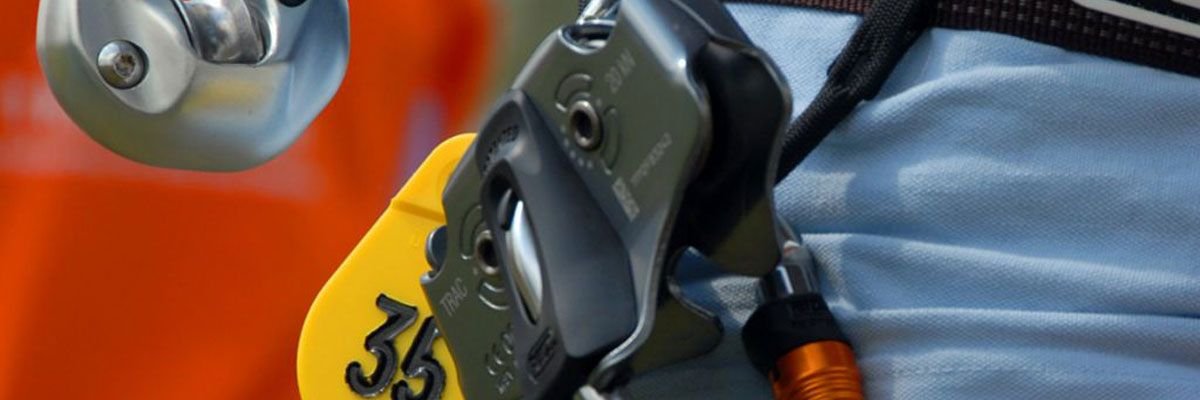
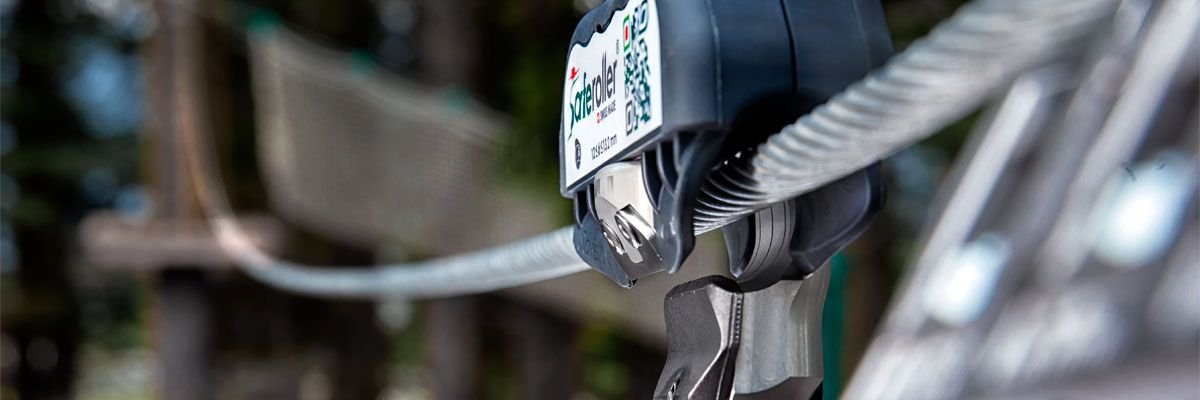
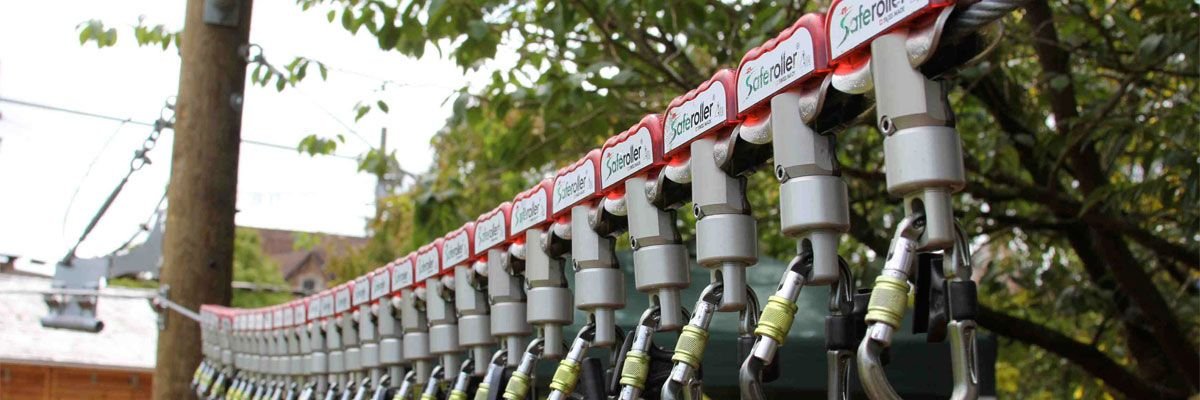
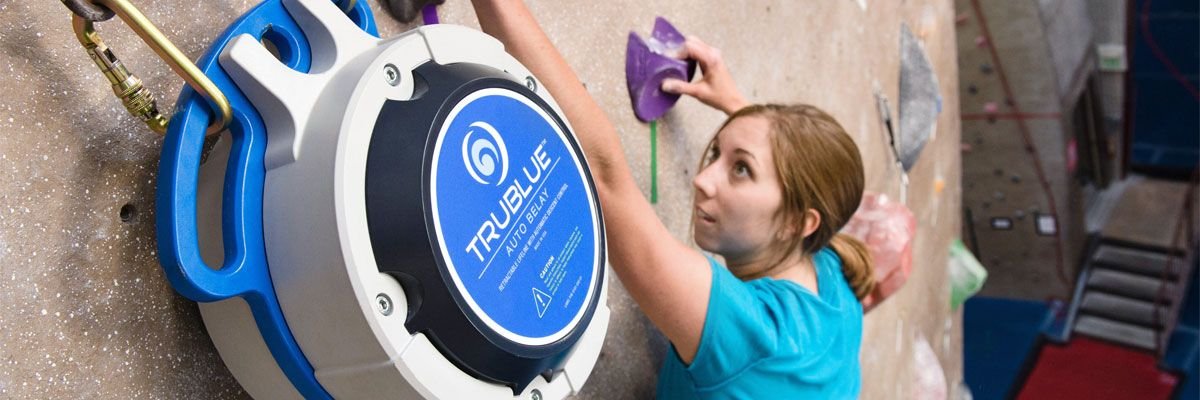
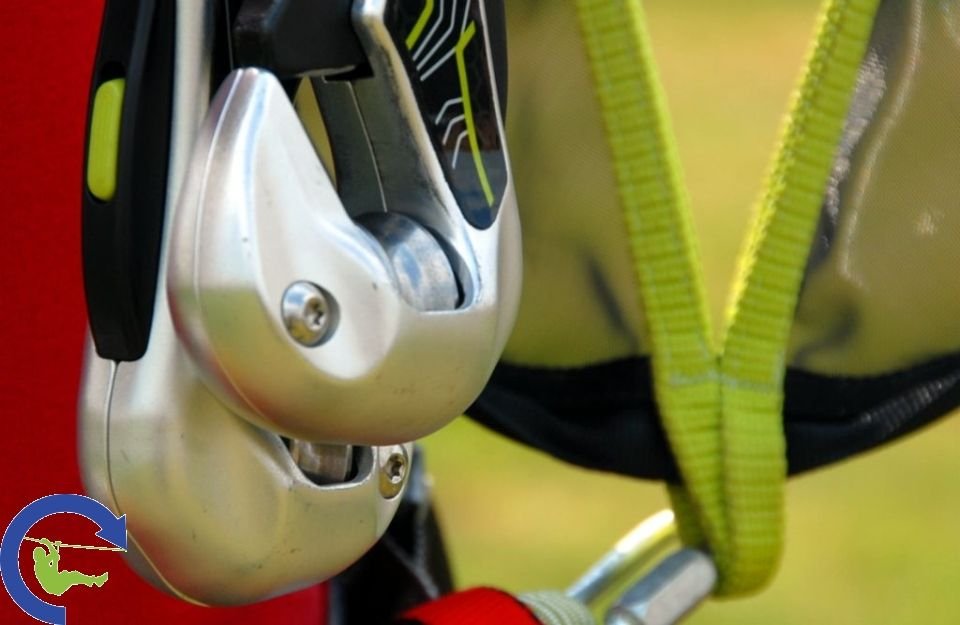
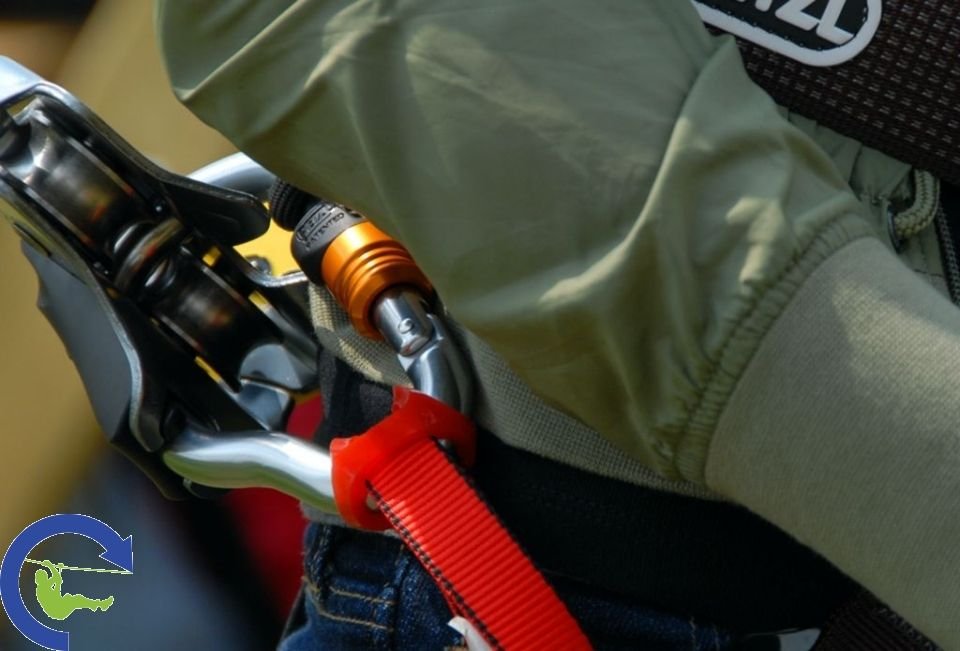
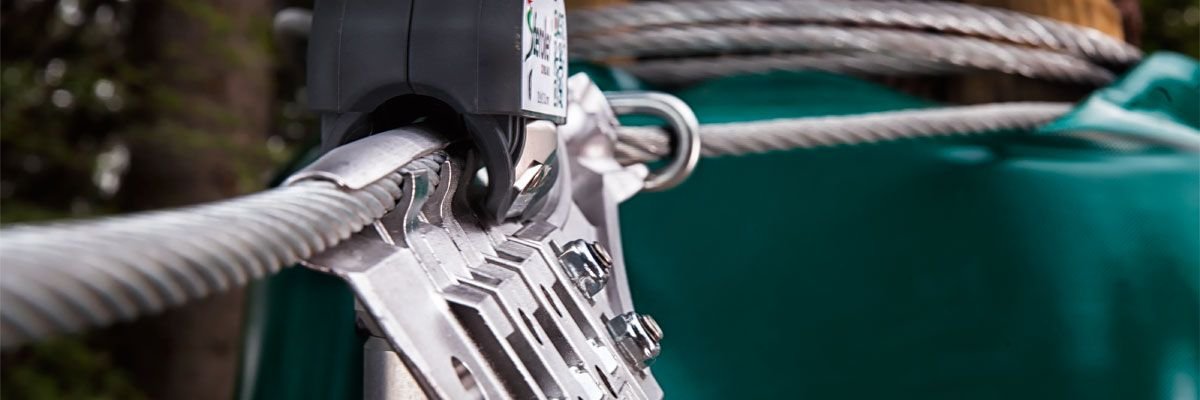
Skywalker supplies two Smart Belay and two Continuous Belay systems, covering the full spectrum of ropes course throughput and installation requirements. All products are available to order directly from the shop, with installation documentation and EN 15567 certification support provided.
Protect your belay investment with the right service support
A belay system purchase is not a one-time transaction. EN 15567 requires periodic inspection cycles, and the long-term performance of any belay system depends on correctly trained operators and a structured maintenance programme. Skywalker offers two dedicated service paths alongside every belay system order.