


How the ZipCoaster roller coaster zipline works
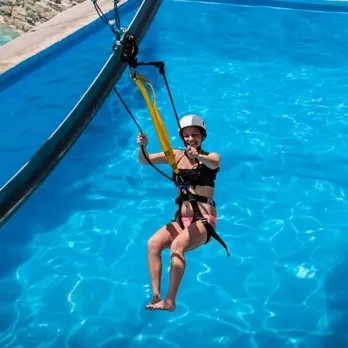
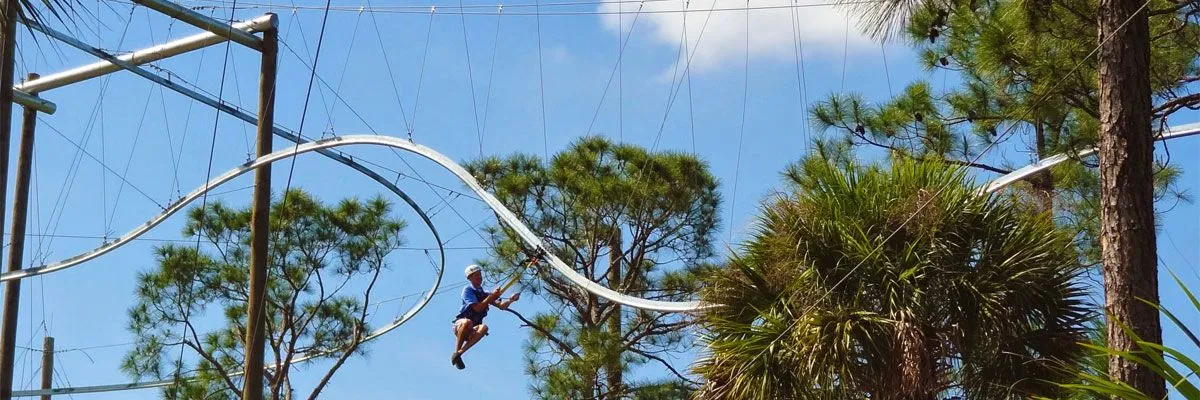
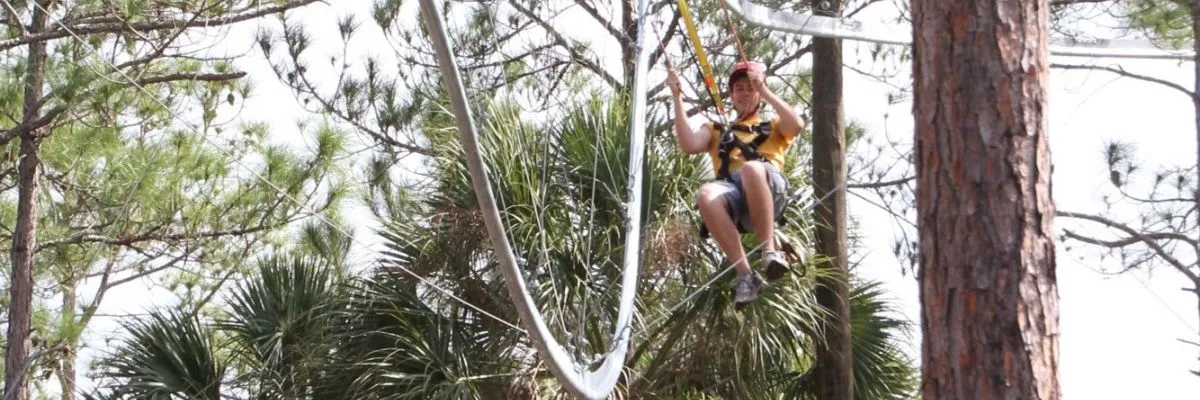
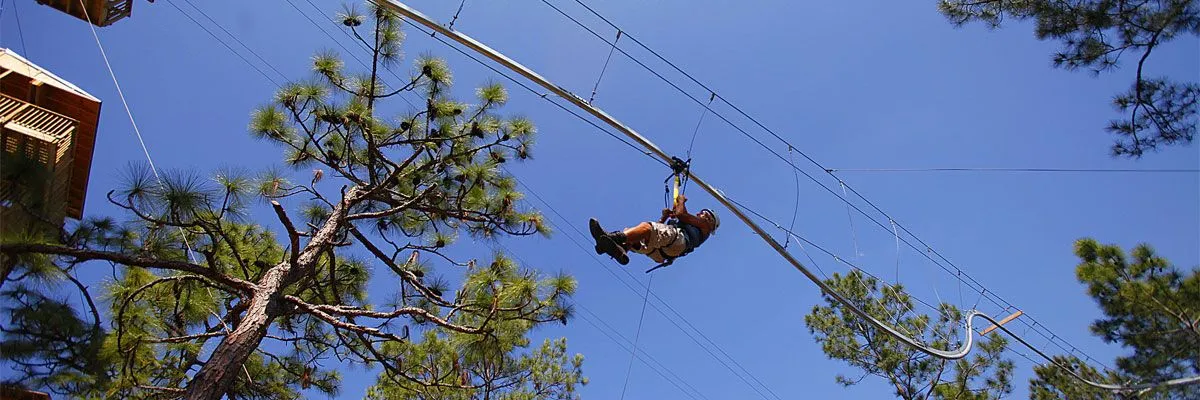
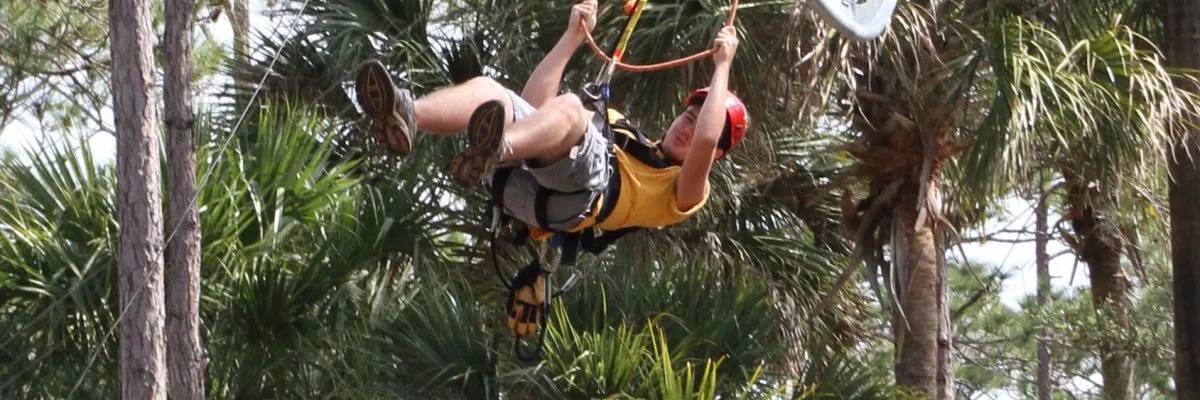
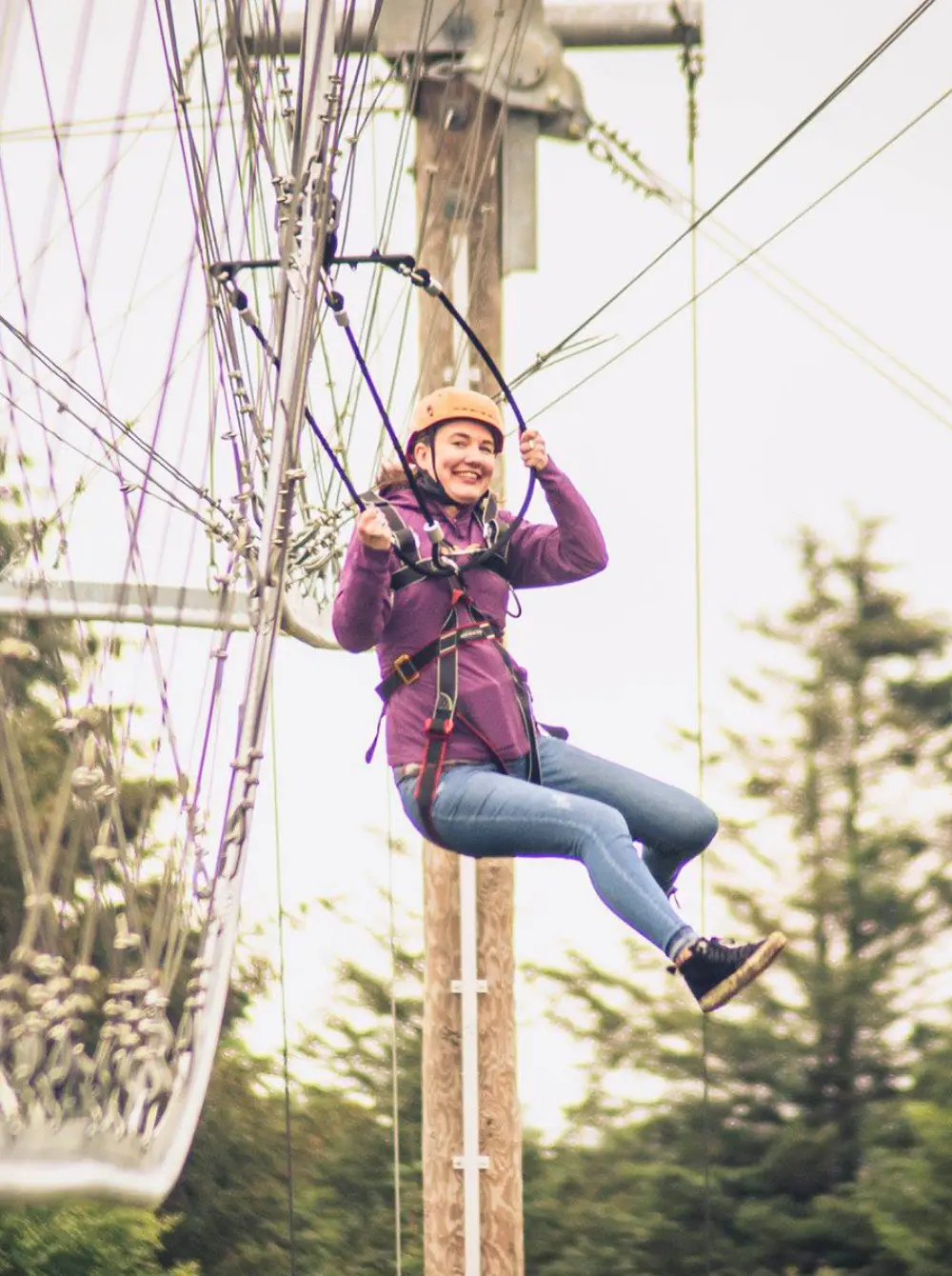
Unlike a conventional zipline, the ZipCoaster uses a vectored track system — an adapted roller coaster rail suspended overhead — that allows the path to curve, dip, bank, and turn through your venue's landscape. Riders are harnessed in a seated position beneath the rail, experiencing the full sensation of autonomous flight while remaining securely attached at all times.
The route can be kept entirely hidden from the rider — weaving behind terrain features, descending through forest canopy, or culminating in a water-splash finish — so every experience carries a genuine element of surprise. The course may include straight segments, serpentines, controlled drops, and banked turns, with speed profiles calibrated for your target demographic.
Our Zipline Design & Engineering team works alongside a specialist safety engineering team using state-of-the-art architectural software. Every installation is certified under EN 15567-01 (European Ropes Course Standard) and ASTM and ACCT specifications, and undergoes an independent Site Acceptance Test before opening to guests.
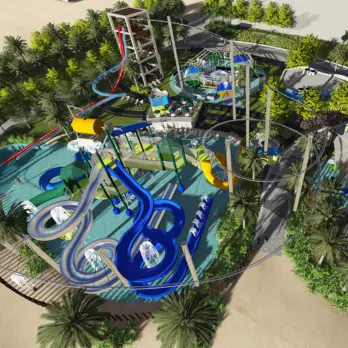
Three ZipCoaster variants — one for every venue type
Each variant is purpose-built for its operating environment. The ride experience, capacity, and energy profile differ — the engineering standards and safety certification framework do not.
Five integrated systems that protect throughput and reduce OPEX
A gravity-powered revenue engine with near-zero energy cost
Commission your ZipCoaster →Category C CAPEX and payback figures are indicative, sourced from the Skywalker Investment Prospectus 2026. Financial projections assume a conservative 9-month operating season at 20 days per month and a 30% net profit margin. Contact us for a site-specific feasibility assessment.
ZipCoaster installations across four continents
Skywalker has designed and installed ZipCoaster systems across a wide range of venue types — outdoor adventure parks, ski resorts, family entertainment centres, and dedicated attraction venues. Each installation is a bespoke engineering project, certified to its local regulatory standard before guest opening. Completed and active installations span venues across the UK, North America, Southeast Asia, Scandinavia, and mainland Europe, with further systems in active development.