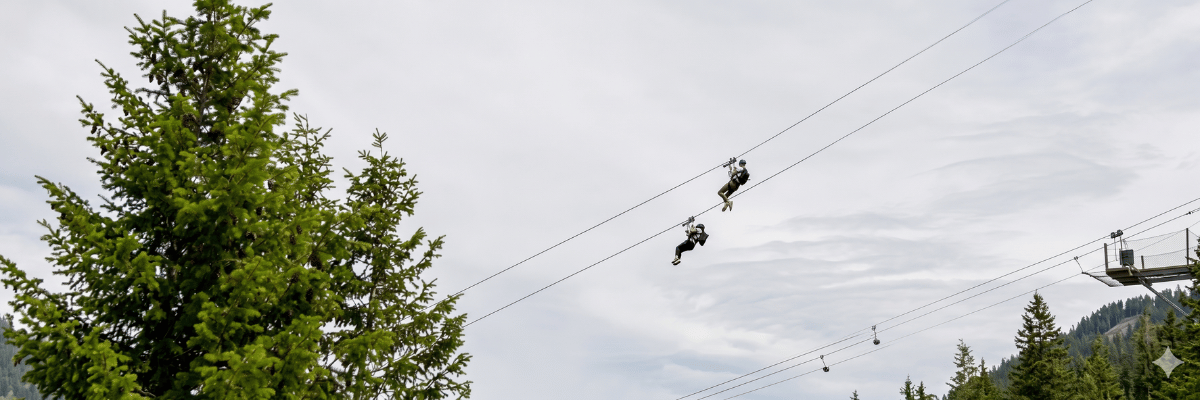
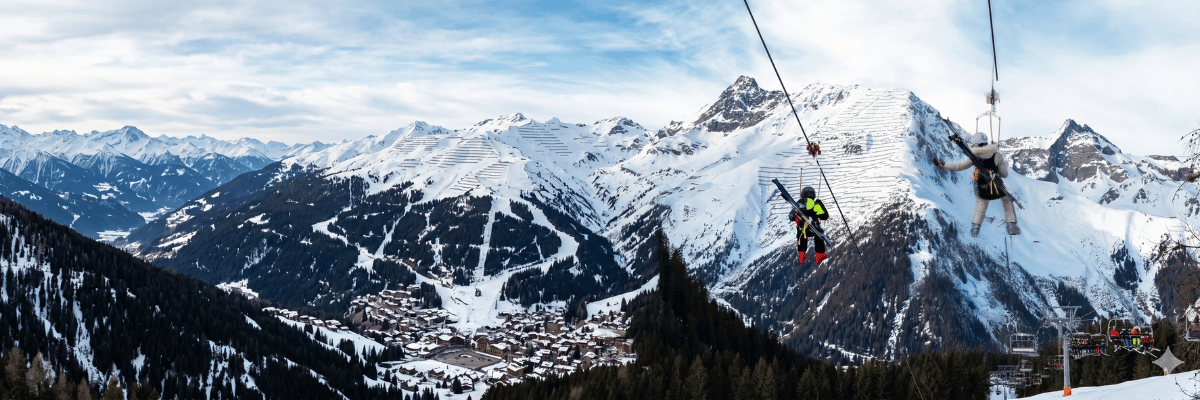


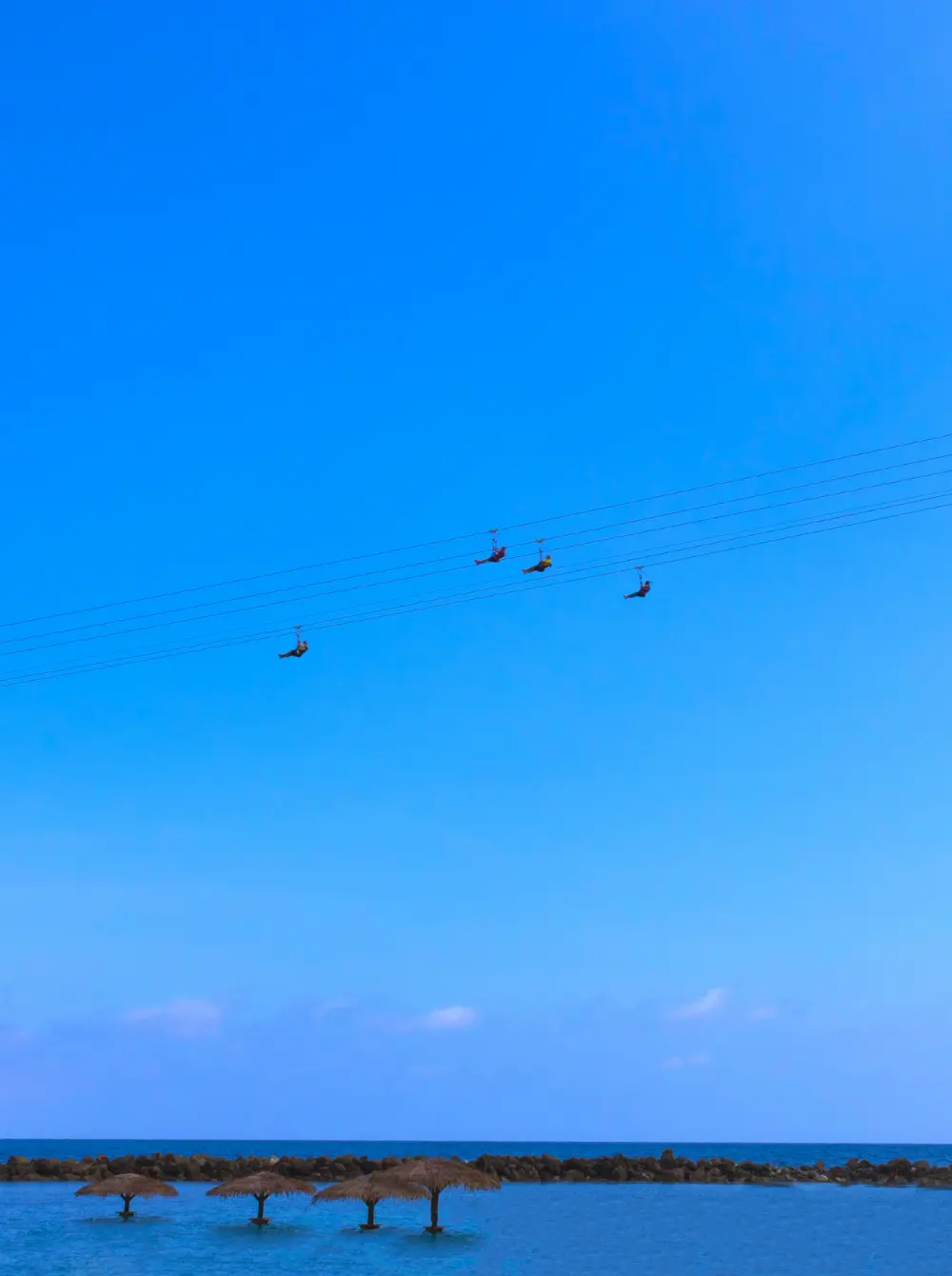
• 1.jpg
  • 2.jpg
  • 3.jpg
  • 4.jpg
  • 5.jpg
  • 6.jpg
  • 7.jpg
  • zipline_1.jpg
  • zipline_2.jpg
  • zipline_3.jpg
  • zipline_4.jpg
  • zipline_5.jpg
  • zipline_6.jpg
  • zipline_7.jpg
◆ Thrill Adventures

Ziplines & Zipwires — engineered for commercial performance

From a 60-metre forest flying fox to a 500-metre multi-span catenary over rugged terrain, Skywalker designs and constructs zipline systems that are mathematically optimised for throughput, safety, and long-term operational return.

Every system we engineer undergoes structural force analysis, kinetic energy modelling, and wind-load simulation before a single cable is tensioned — delivering a ride that is exhilarating for guests and financially predictable for operators.

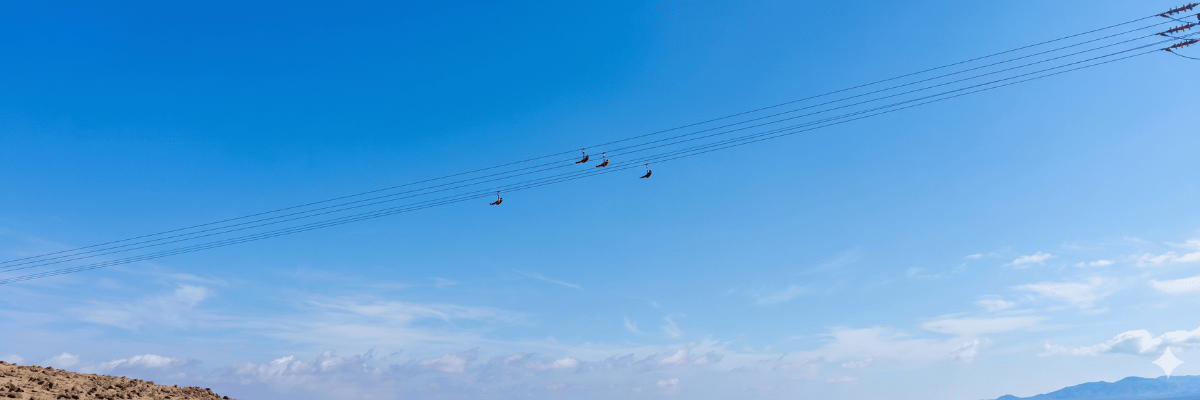
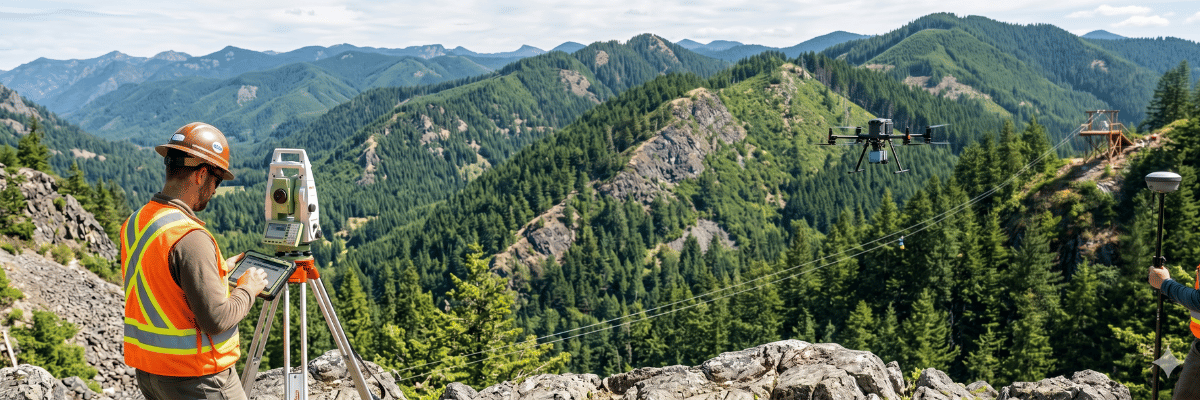
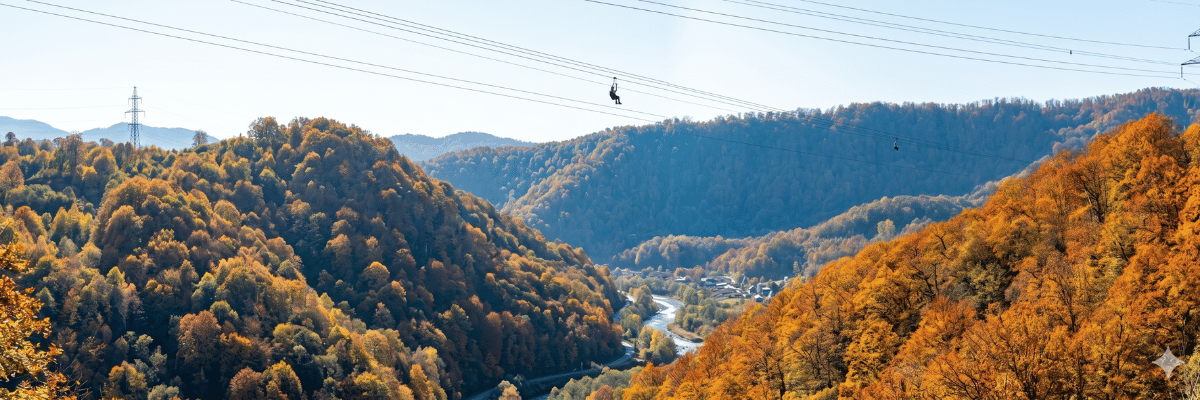
Professional zipline installation in natural terrain — Skywalker Adventure Builders
From flying fox to flagship

High-impact aerial experiences built for commercial scale

Ziplines — known variously as flying foxes, aerial runways, or rope slides — are among the highest-visibility attractions an adventure venue can install. They draw immediate crowd attention, generate social media exposure at every ride, and create the anchor experience around which an entire park is built.

Skywalker engineers ziplines for any terrain profile — flat fields and gentle slopes, steep hillsides and valley crossings, water features, and complex indoor recreation centres. Every configuration begins with a site-specific feasibility assessment, ensuring the finished system delivers the throughput your financial model requires.

Beyond permanent installations, ziplines perform exceptionally well as temporary flagship attractions — deployed for major brand activations, trade shows, and high-profile events where crowd-pulling power and guest engagement are paramount.

Commercial installations can be integrated with dedicated launch towers, existing building staircases, or scaffold systems — each designed to optimise throughput and guest comfort from first approach to final exit.

Terrain versatility

✦  Flat-field pole and platform systems

✦  Hillside and valley-crossing spans

✦  Water-crossing with detachable trolley systems

✦  Indoor recreation centres and shopping destinations

✦  Building-integrated launch from internal staircases

✦  Tree-to-tree canopy configurations

Precision engineering

Seven engineering disciplines, one optimised system

Skywalker's technical design team analyses every zipline project across seven interdependent engineering domains. Proprietary simulation software models rider weights, wind variables, and cable tensions before a single anchor point is specified — eliminating costly trial-and-error on site and guaranteeing compliance with EN 15567 (European Ropes Course and Zipline Standard).

⚙️

Structural force analysis

Cable tension, compression, and bending loads are modelled under worst-case rider weight and wind-load scenarios to ensure long-term structural integrity.

🚀

Rider velocity & kinetic forces

Speed profiles are calculated for the full weight spectrum of expected riders — guaranteeing an exhilarating ride without unsafe arrival velocities at the landing platform.

🌬️

Wind-load studies

Crosswind, tailwind, and headwind scenarios are simulated to define operational wind limits and ensure cable stability in site-specific conditions.

🔗

Cable & anchor specification

Steel cable diameter, tensioning targets, and safety margins are specified to prevent sagging or over-tensioning across the full operating life of the installation.

🛑

Braking & dampening systems

Primary and secondary braking calculations define the deceleration envelope for every weight range — informed by hardware selection from our tested equipment portfolio.

📊

Throughput analysis

Launch intervals, staffing requirements, and landing logistics are modelled together — so the ride experience and the revenue model are aligned from day one of operation.

📋

Site-specific operations & maintenance manuals

Every Skywalker zipline installation is delivered with a bespoke operations manual covering daily inspection protocols, seasonal tension adjustments, and maintenance schedules — so your team can operate safely and efficiently from the first day of public opening.

Want to explore how these engineering services apply to your site?

Zipline engineering →
Our design process

From site evaluation to opening day

Professional zipline design and engineering require careful planning, attention to detail, and a commitment to safety at every stage. Skywalker's structured process eliminates uncertainty and delivers a system that is inspected, certified, and ready for revenue on day one.

1

Site evaluation

Topography, vegetation, access, and natural features are assessed to determine suitability and identify the optimal cable routing for your site.

2

Course engineering & simulation

Structural calculations and proprietary software simulations verify that the system can withstand all applied forces while maintaining structural integrity and safety margins.

3

Course design

Cable line, platform height, terrain-matching gradient, and launch/landing configurations are designed to optimise both the guest experience and operational flow.

4

Safety feature specification

Braking systems, emergency arrest devices (EADs), harness selection, and anchoring specifications are defined and documented for regulatory submission.

5

Installation by certified teams

Skywalker's specialist construction teams install the system to exact engineering specifications, selecting materials and tensioning cables to within prescribed tolerances.

6

Testing, inspection & certification

A structured Site Acceptance Test (SAT) verifies that every component functions within design parameters. Independent TÜV certification confirms EN 15567 compliance before opening.

7

Ongoing maintenance & lifecycle management

Bimonthly operational checks and comprehensive annual inspections protect the asset and extend operational life. Lifecycle management →

Commercial performance

A zipline investment that pays for itself

Ziplines are among the strongest revenue-per-square-metre attractions in the adventure park sector. Their operational simplicity — a single cable, controlled launch intervals, and a small staffing footprint — produces a revenue-to-cost ratio that few other attractions can match.

The primary technical metric Skywalker engineers to is visitor flow optimisation. Launch and landing protocols are designed for rapid turnaround — so your throughput model holds under peak-day demand without bottlenecks at either platform.

High-volume venues benefit from dedicated launch towers or scaffold systems with integrated stairways. For flagship destinations, Skywalker can integrate launch platforms directly into existing building infrastructure, using internal staircases to maximise guest comfort and reduce queuing time.

Landing logistics are engineered with equal rigour. Standard finish platforms 3–5 metres above grade facilitate rapid staff-assisted disconnections. Ground-touch landings with bungee-assisted harness releases are available for specific site profiles, reducing landing forces and increasing guest safety.

50–100 m
Entry-level linear zipline — Category A community hub
150–300 m
Dual zipline configuration — Category B regional magnet
~16 mo
Operating payback — Category B park with dual ziplines

Investment figures and payback periods are indicative benchmarks from the Skywalker Investment Prospectus 2026. Actual figures depend on site, configuration, and operational model. A site-specific feasibility study will produce a tailored financial prognosis.

Plan your full park →
Equip your zipline

Hardware engineered for commercial ziplines

Every zipline system needs three categories of certified hardware working together: a braking system that controls arrival speed, trolleys that carry riders safely along the cable, and harnesses that meet international load-bearing and comfort standards. Skywalker supplies and recommends the full set — ensuring compatibility, certification alignment, and a unified supply chain for your maintenance programme.

Planning this project? Our zipline design & engineering service covers full hardware specification, installation support, EN 15567 compliance, and a site-specific operations manual — typically recommended alongside any zipline equipment order.

Zipline braking systems

Self-regulating magnetic braking technology brakes riders safely at high velocities without contacting parts that wear out — consistent, comfortable arrivals with minimal maintenance requirements.

View braking systems →

Opens shop.skywab.com

Zipline trolleys

Purpose-built trolleys carry riders on the cable and must withstand impact, wear, and the cyclic loading of a high-throughput commercial operation. For bi-directional applications, see our autonomous ZipTronik system.

View trolleys →

Opens shop.skywab.com

Zipline harnesses

Commercial zipline harnesses must balance rider comfort, rapid fitting for high throughput, and certified load-bearing performance across the full weight range of your guest demographic.

View harnesses →

Opens shop.skywab.com

Frequently asked questions

Common questions about zipline projects

What is the minimum site requirement for a commercial zipline?

There is no single minimum — site requirements depend on the configuration, span, and throughput target you are designing for. Entry-level linear ziplines of 50–100 metres can be installed in relatively compact sites using pole-based systems. Larger valley-crossing or multi-span systems require more terrain study. Skywalker's site evaluation process assesses topography, access, and anchor-point suitability before any design commitment is made.

How long does the design and installation process take?

Timeline varies by project complexity, local permitting requirements, and site conditions. The Skywalker 7-Stage Authority Roadmap begins with a paid feasibility and concept study, followed by detailed engineering, regulatory coordination with bodies such as TÜV or ERCA, and then construction. A realistic timeline from initial engagement to certified opening is typically six to twelve months for a standard commercial installation, depending on jurisdiction.

Can a zipline be installed indoors or in a shopping centre?

Yes. Skywalker engineers ziplines for indoor recreation centres and commercial retail destinations. Indoor installations require detailed structural load analysis of the host building's floor, roof, and wall anchor points. In some configurations, Skywalker can integrate the launch platform directly into an existing building staircase, eliminating the need for a separate launch tower and significantly reducing the installation footprint.

What certification standard applies to commercial ziplines?

Commercial ziplines in the European market are governed by EN 15567 (European Ropes Course and Zipline Standard). Skywalker coordinates early in the design process with independent testing bodies such as TÜV and ERCA to ensure the Technical Dossier produced during engineering is ready for regulatory approval. Independent certification is included in the project delivery scope — not an afterthought.

What is the difference between a standard zipline and the ZipTronik bi-directional system?

A standard zipline requires a staff member to retrieve or carry trolleys back to the launch platform after each ride — a labour cost that limits throughput at high-volume sites. The ZipTronik bi-directional trolley is an autonomous, mechatronic system that regulates speed, ensures safe arrivals, and returns to the launch position independently — recovering energy during descent to power the ascent. This eliminates landing-platform labour and removes the main throughput bottleneck of a traditional zipline operation.

Founded 2005 — active across 4 continents TÜV-certified installations, EN 15567 compliant Proprietary simulation software — no guesswork Fixed-price contracts — zero hidden costs
Start your zipline project

Ready to design your zipline installation?

Our zipline design and engineering team is ready to assess your site, model the system, and deliver a binding fixed-price proposal. The process starts with a structured feasibility study — speak to us about your site today.