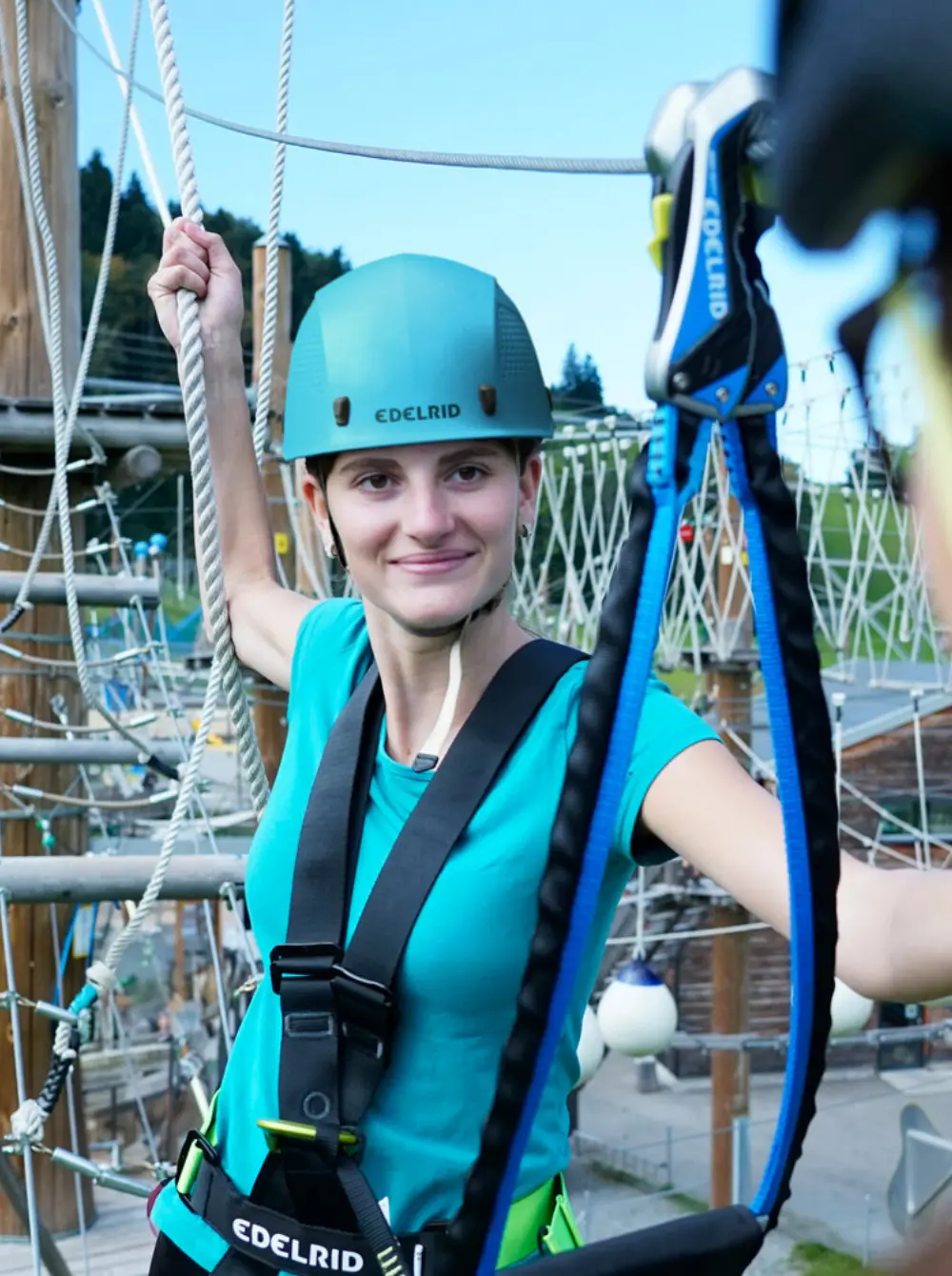
• 1.jpg
  • 2.jpg
  • 3.jpg
  • 4.jpg
  • 5.jpg
  • 6.jpg
  • 7.jpg
  • 8.jpg
  • 9.jpg
  • 10.jpg
◆ EN 15567 Certified · Since 2007

High Ropes Courses Built to Pay for Themselves

Skywalker designs, engineers, and builds high ropes courses as commercial assets — structures reverse-engineered from your revenue targets and site constraints, not generic layouts adapted after the fact.

Every decision — from belay system selection to game density and platform orientation — is optimised to maximise participant throughput, reduce operational costs, and produce a predictable return on investment.

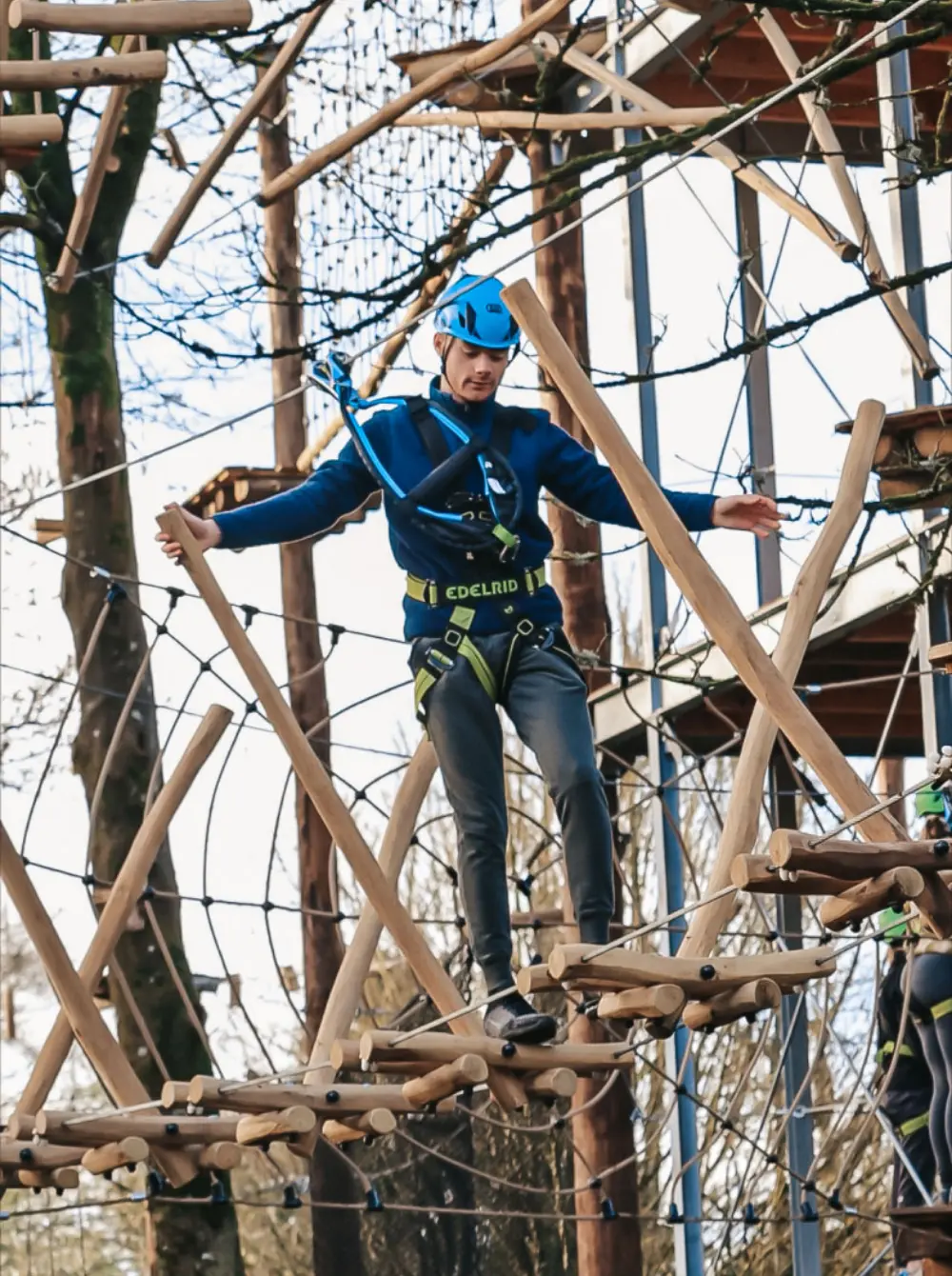
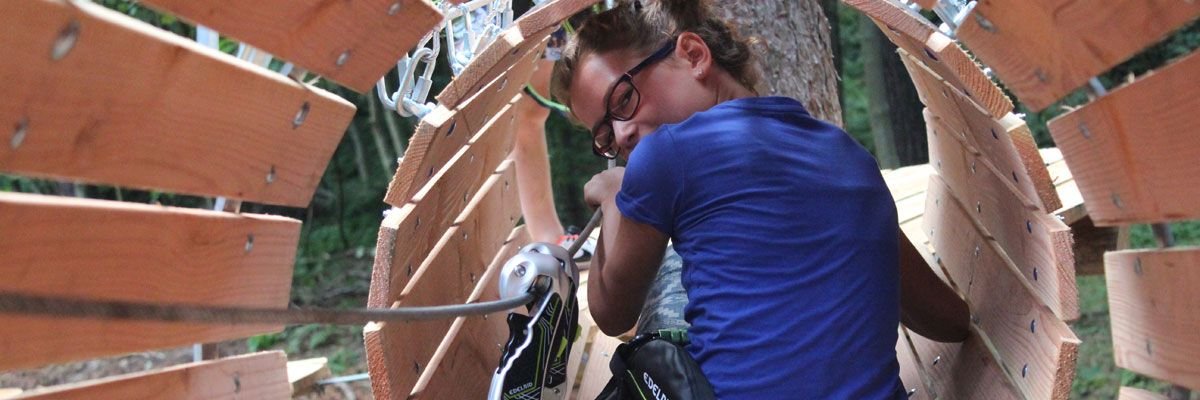
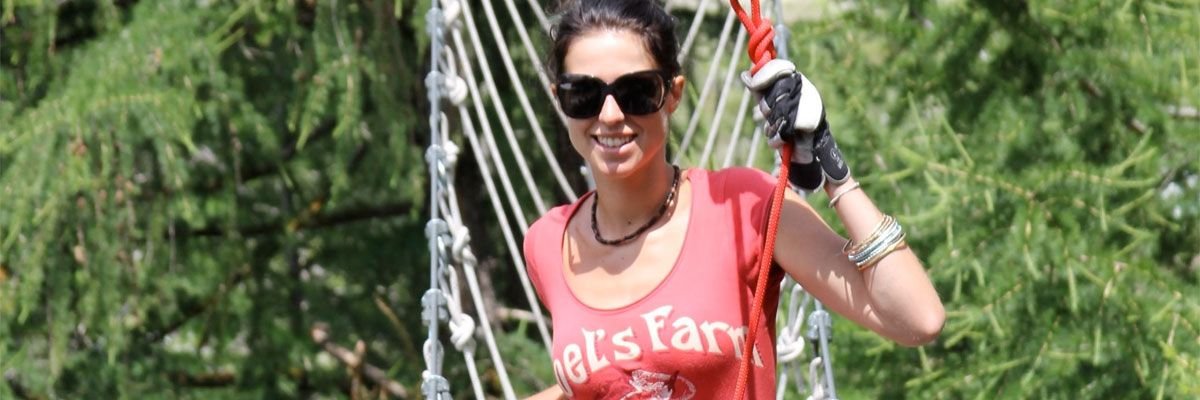
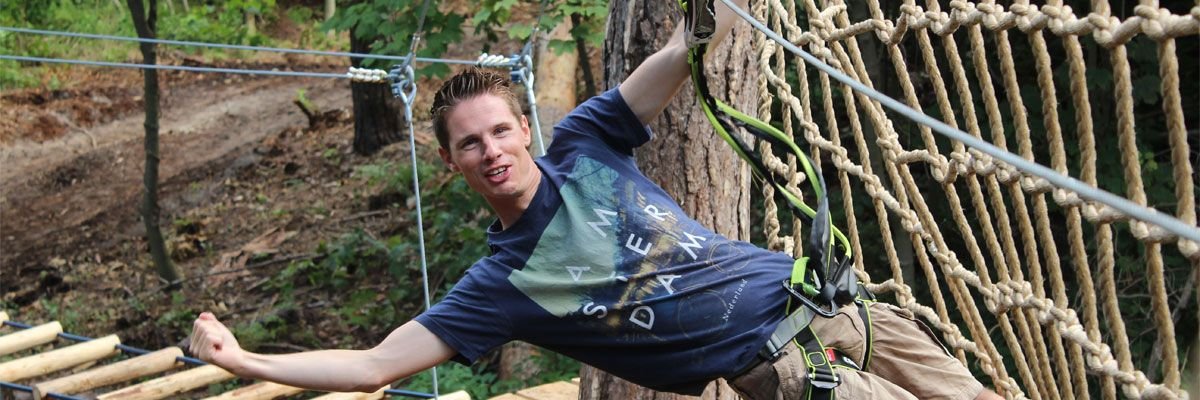
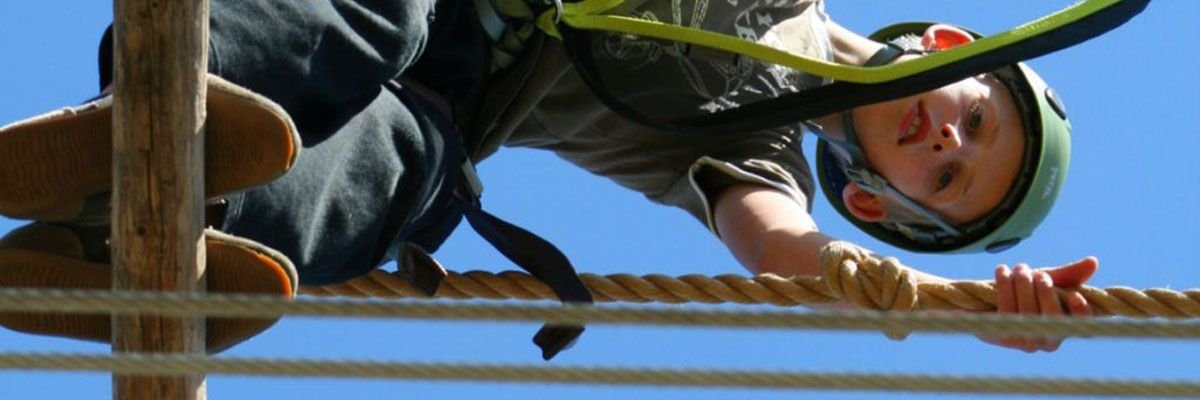
Skywalker high ropes course multi-level structure with continuous belay system
€190,000
Entry CAPEX — Category A
~18 mo.
Typical payback — Category A
~50/hr
Peak participant throughput
EN 15567
European safety standard
The product

What a Skywalker High Ropes Course Delivers

A Skywalker high ropes course is a multi-level aerial adventure structure — suspended between 4 and 12 metres above ground — featuring a curated sequence of obstacles including traverses, rope bridges, balance elements, cargo nets, and integrated ziplines.

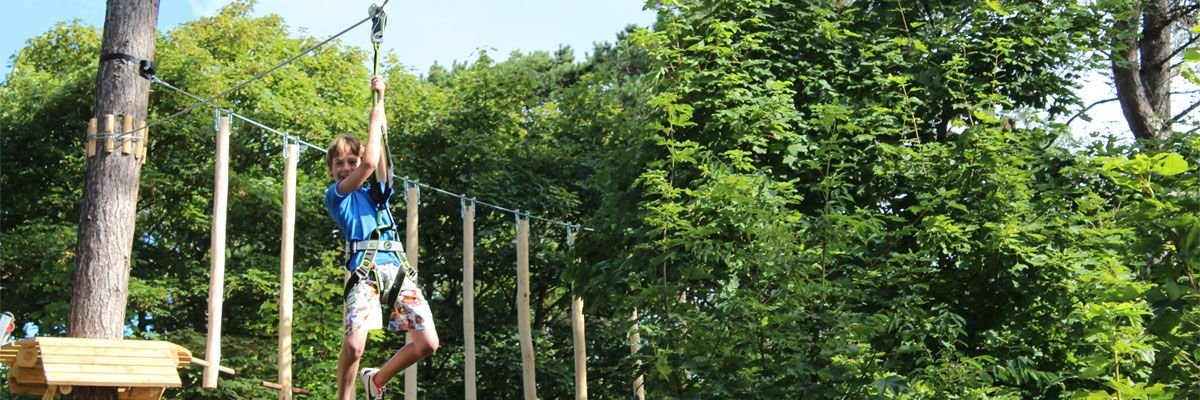
Structures are built on freestanding poles (our preferred approach for commercial venues), living trees following an arboricultural assessment, or a combination of both. Indoor configurations are available for year-round, climate-controlled operations.

Our courses are designed with participant flow at their core. Multiple starting points, parallel track options, and strategically placed rest platforms prevent bottlenecks and keep throughput consistently high — directly impacting your revenue per operating hour.

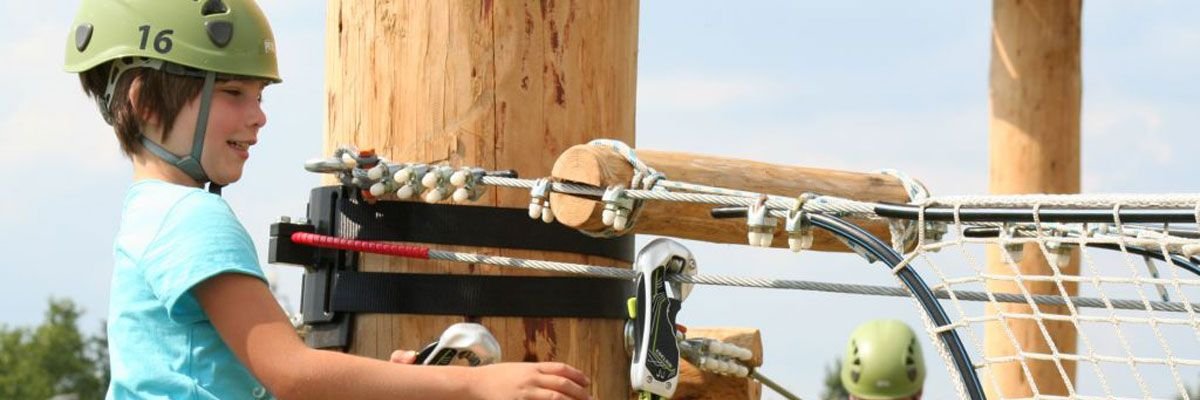
The choice of belay system — smart belay, continuous belay, or assisted belay — is made at the design stage, not as an afterthought, and has a measurable impact on your staff-to-guest ratio and operational margin.

"Pole-based construction neutralises environmental objections, eliminates tree mortality risk, allows for higher game density, and delivers a fixed, predictable maintenance budget."
Pole-Based Tree-Based Indoor Multi-Level All Ability Levels EN 15567 Compliant
Why Skywalker

Every Design Decision Drives Revenue

⚙️

Throughput Engineering

Every obstacle position, platform size, and route branching point is modelled before construction begins. The result is a consistent flow of approximately 50 participants per hour on a standard configuration — with no idle waiting zones eating into your revenue.

🏗️

Pole-Based Stability

Freestanding steel pole construction removes dependency on tree health, eliminates arboricultural re-inspection costs, enables a minimum standard footprint of approximately 80 m², and locks in a fully predictable annual maintenance budget.

🔗

Continuous Belay Systems

Saferoller and Speedrunner continuous belay systems keep participants permanently secured from start to finish. This eliminates manual clip-in transitions, shortens safety briefings, and reduces the required staff-to-guest ratio — directly improving your operating margin.

🌿

Eco-Friendly Materials

We use sustainably sourced timber, powder-coated steel, and UV-stabilised rope throughout. Our construction methods are designed to minimise site disruption and protect the surrounding ecosystem — a genuine differentiator in planning applications and local government approvals.

📐

Proprietary Simulation

Before a single cable is tensioned, our engineers run kinetic load modelling and structural force analysis using proprietary simulation software. This eliminates costly trial-and-error on site and guarantees EN 15567 compliance from the first day of operation.

🔒

Independent Certification

Every Skywalker installation is commissioned with a third-party inspection by a Type C inspector certified to EN ISO/IEC 17020. You receive full safety documentation, a Technical Dossier, and ongoing lifecycle management to keep your insurance current and compliant.

The process

The 7-Stage Authority Roadmap

Skywalker does not produce speculative quotations. Every project follows a rigorous, risk-mitigated delivery process that ensures the final physical asset matches the initial financial prognosis — with no hidden costs introduced at any stage.

 
1
Initial engagement

M-NDA & Project Discovery

A mutual non-disclosure agreement protects your site data and our proprietary methodology. We conduct an initial walkthrough, review your commercial objectives, and define the parameters that will shape the design brief.

2
Paid engagement

Feasibility & Concept Study

A paid feasibility engagement assesses technical viability and financial soundness against your site and visitor projections. This ensures serious intent on both sides while protecting your investment from the outset.

The concept study fee is 100% credited back against the final construction contract.
3
Engineering

Design & Detailed Engineering

Our proprietary simulation software models load capacities, velocity profiles, and safety factors for every element of the course. The output is a complete Technical Dossier — the document required for regulatory approval and insurance compliance.

4
Compliance

Regulatory & Certification Path

Early coordination with independent testing bodies — including TÜV and ERCA — guarantees compliance with EN 15567 (European Ropes Course Standard) and all applicable local building codes. We manage this process on your behalf.

5
Commercial

Fixed-Price Net Quote

We issue a binding, itemised contract with zero hidden costs. The quote covers hardware, installation, certification, and staff training — everything required to open on day one and operate at full capacity.

6
Build

Installation & Construction

Precision execution by our specialist construction team using only certified, premium-grade materials. We manage all on-site logistics, minimise environmental disruption, and work to an agreed programme to protect your opening timeline and pre-sold bookings.

7
Handover

Commissioning & Operational Success

A final Site Acceptance Test (SAT) confirms every element meets the approved specification. Your team receives ERCA-standard operational training, and we hand over the full maintenance manual, inspection log, and emergency response documentation.

Site Acceptance Test ERCA Staff Training Maintenance Manual Emergency Documentation
The investment

Three Investment Tiers to Match Your Ambition

All financial models below assume a conservative 25% net profit margin and 20 operating days per month. CAPEX figures are indicative and exclude food & beverage infrastructure.

Category A
The Community Hub
~€190,000
indicative CAPEX (excl. F&B)
Target daily visitors ~150
Operating payback ~18 months
Typical product mix: High Ropes Course · Kids Course · Low Ropes Elements
Category B
The Regional Magnet
~€500,000
indicative CAPEX (excl. F&B)
Target daily visitors ~500
Operating payback ~24 months
Typical product mix: High Ropes · ZipCoaster · Net Adventure · Free Fall
Category C
Int'l Destination
€1,900,000+
indicative CAPEX (excl. F&B)
Target daily visitors 1,000+
Operating payback ~36 months
Typical product mix: Full Park · AirCruizer · Resort Integration

All CAPEX figures are indicative and sourced from the Skywalker Investment Prospectus 2026. Contact us for a site-specific feasibility assessment and detailed financial model.

Case study

Castlecomer Discovery Park, Ireland

The Skywalk Challenge high ropes course at Castlecomer Discovery Park, Ireland — designed and built by Skywalker Adventure Builders

Castlecomer Discovery Park approached Skywalker needing to replace an ageing Tree Top Walk and expand its low ropes offering. The commercial brief was clear: deliver a landmark aerial attraction to increase dwell time and drive repeat visitation from locals and national tourists.

Working across two phases, Skywalker expanded the low ropes course and then designed and constructed The Skywalk Challenge — a high ropes course featuring 40 game elements across three levels, with an integrated free fall device at the top of the tower and an additional low ropes course tailored for children aged 3–7.

Post-opening visitor feedback has been overwhelmingly positive. The project is now cited as a prime example of how adventure infrastructure and natural environment can be combined without compromise.

High Ropes Course Low Ropes Course Free Fall Device 40 Game Elements 3 Levels Ireland
Common questions

Frequently Asked Questions

What is the minimum site area required?

A standard freestanding octagon configuration requires a minimum footprint of approximately 80 m². More complex multi-level structures or layouts incorporating ziplines require additional clearance zones. Our feasibility study maps your available area and recommends the optimal configuration for your specific throughput targets and visitor profile.

Should I choose tree-based or pole-based construction?

We recommend freestanding pole construction for commercial venues in the majority of cases. Pole-based designs remove dependency on tree health, eliminate the need for periodic arboricultural inspections, allow for higher game density on the same footprint, and deliver a fully predictable annual maintenance budget. Tree-based construction remains the right choice where the forest setting is integral to the guest experience and brand identity.

Which belay system should I specify?

For high-volume commercial operations, we recommend a continuous belay system (Saferoller or Speedrunner). These systems permanently secure participants from start to finish — eliminating manual clip-in transitions, reducing safety briefing time, and significantly lowering the staff-to-guest ratio required. The belay choice is a commercial decision as much as a safety one, and we advise clients on the right system during the feasibility stage.

What inspection regime is required once we are operational?

EN 15567 (European Ropes Course Standard) mandates a periodic inspection at least once every 15 months by an independent, qualified inspector. Operators must also conduct visual checks before each session and operational inspections every 1–3 months. Skywalker's Lifecycle Management programme covers all mandatory inspections and provides the documentation required for insurance compliance and regulatory evidence.

Can I add a high ropes course to an existing resort or attraction?

Yes. High ropes courses integrate well alongside existing leisure operations — they can be connected to existing platforms, linked into zipline systems, or positioned to intercept visitor flow naturally from a central arrival point. Our design team begins with a site assessment to understand how a course can amplify rather than compete with your current offering, and to identify any cross-selling opportunities for your existing food, retail, or accommodation revenue.

EN 15567 Certified Design & Construction Independent TÜV & ERCA Inspection Fixed-Price Contracts — Zero Hidden Costs Serving Europe & MENA Since 2007

Ready to Build an Attraction That Pays for Itself?

Speak to a Skywalker project specialist. We will assess your site, define your commercial targets, and map the right course configuration — at no obligation on your part.