





Understanding Adventure Park Certification & Safety Standards
Navigating adventure park certification is a critical step before launching your new aerial attraction. Meeting the engineering standards from day one supports visitor safety and protects your operational liability. By understanding the core compliance requirements early, operators can avoid costly design revisions and delayed opening dates.
Key takeaways
A developer's guide to compliance
Achieving structural safety requires integrating compliance into the initial design phase. The most effective path involves engaging specialized consultancy and structural engineers right at the conceptual phase. This helps every platform and cable meet the applicable standards and local regulations before construction begins.
Proper initial planning makes the final inspection smoother and the launch faster, and avoids redesigning load-bearing structures after the fact.
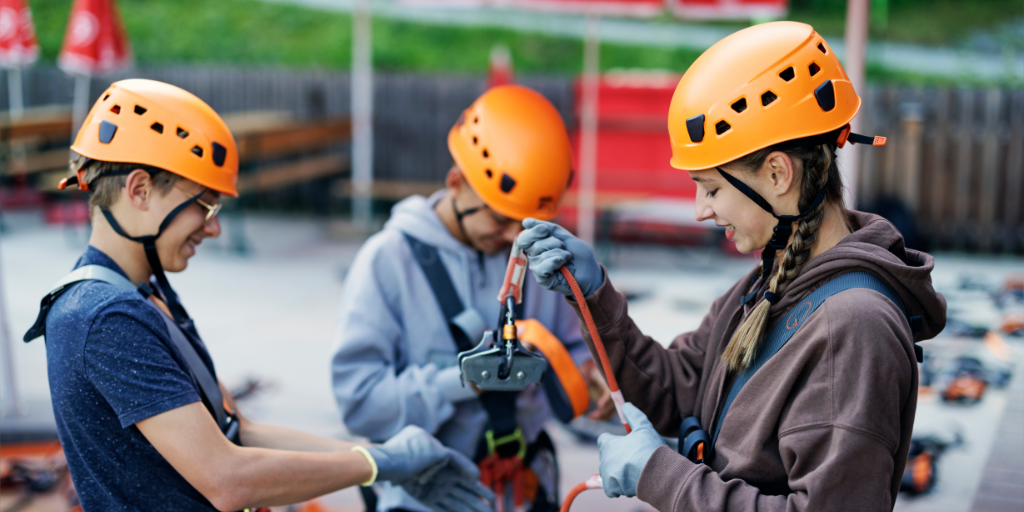
Comprehensive engineering standards govern the safety and durability of modern aerial adventure parks.
The turnkey construction advantage
Choosing an integrated turnkey construction approach removes friction from the final safety checks. Designed to the standard from the start, components come with manufacturer documentation and the design is checked before installation. This reduces the risk of retrofits at the final inspection and keeps the project budget predictable.
Why single-contractor builds support compliance
Consolidating design and construction under one provider following a clear master plan has real operational advantages:
- Fewer communication errors between separate design and build teams.
- Seamless integration of required fall-protection systems directly from the blueprint stage.
- Faster project completion due to unified project management and scheduling.
Treating compliance as a foundation rather than a final hurdle supports a profitable and safe operation. Integrated, single-provider construction makes your adventure park inspection more predictable and protects your investment.