






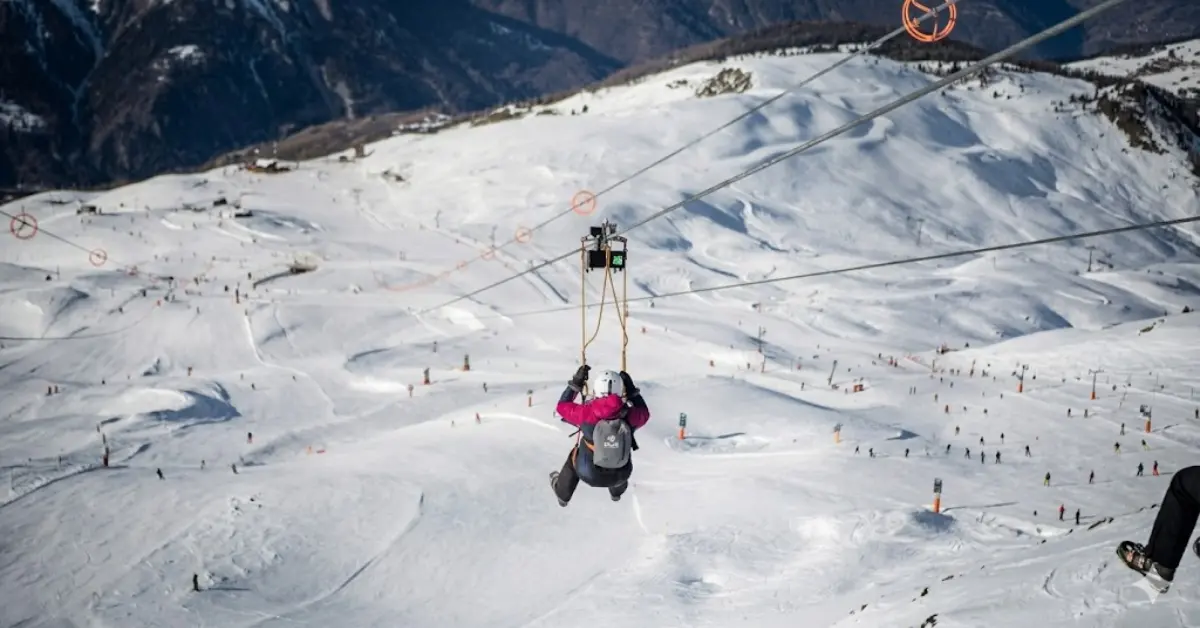
Professionalizing Your Attraction: The Strategic Case for Advanced Zipline Infrastructure
In the hyper-competitive arena of commercial recreation, from high-traffic family entertainment centers (FECs) to expansive outdoor adventure parks, the difference between a seasonal novelty and a core, high-performing revenue asset often comes down to one thing: infrastructure. As operators face increasing pressure to maximize throughput while simultaneously driving down operational risk and labor costs, the traditional, manual-intensive zipline is quickly becoming obsolete. The new industry standard is defined by automation, intelligent speed regulation, and multi-directional efficiency. By upgrading to a bi-directional autonomous zipline system, savvy operators are not just adding a ride; they are installing a scalable piece of high-performance capital equipment.
Key Takeaways
Scaling Throughput with Bi-Directional Engineering
The traditional "one-way" zipline design is inherently plagued by massive bottlenecks. After every ride, a staff member must manually retrieve the trolley, or worse, the system remains dormant until a dedicated recovery protocol is completed. This is dead time that represents lost profit and increased staffing requirements.
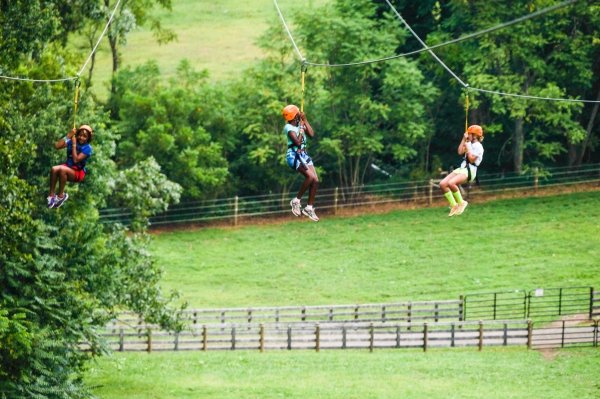
By contrast, two-way zipline trolley solutions allow for continuous operation. Bi-directional autonomous zipline technology can improve throughput by keeping the course active in both directions on a single cable. This design ensures that as one rider finishes, the system is already positioned to accommodate the next, effectively doubling the potential capacity of the line without the need for additional cables or massive structural expansions. When you decide to buy a bi-directional autonomous zipline system, you are essentially purchasing a more efficient flow of guests, allowing your staff to manage higher volumes without needing a proportional increase in personnel.
The Financial Impact of Autonomous Technology
For operators, the goal is always to maximize revenue per square foot and revenue per hour. Autonomous zipline technology for commercial operators provides a level of operational predictability that manual systems cannot match. When operations are standardized, capacity planning becomes accurate.
Commercial operators benefit from autonomous zipline technology because it reduces staffing pressure and standardizes ride performance. Furthermore, this is a form of revenue-boosting zipline technology that pays dividends through reduced operational downtime. Whether you are looking to buy autonomous zipline technology for a new installation or to retrofit an existing course, the investment shifts your model from a high-maintenance "activity" to a self-managing "asset." A high-throughput zipline system for adventure parks can help operators serve more guests per hour with less platform congestion.
Why Professional Infrastructure Matters
Buying equipment for a commercial park is not the same as buying consumer-grade gear. Commercial zipline trolley for parks needs to be robust, weather-resistant, and low-maintenance. A zipline speed reduction system for parks provides the technical reliability necessary for high-volume environments, ensuring that your equipment is earning revenue rather than sitting in a maintenance bay for repairs.
By choosing a commercial-grade solution, you are future-proofing your business. Automation is the only way to scale effectively in an environment where labor is increasingly expensive and hard to recruit. A two-way zipline trolley solution provides the flexibility to create complex, engaging course designs that keep guests coming back, while simultaneously reducing the training burden on your staff.
The decision to buy a speed regulating zipline trolley is, at its heart, a commitment to professional excellence. By automating the deceleration and retrieval processes, you are handing the management of the ride over to a system that is engineered for consistency. When you remove the variability of human operators and environmental factors, you gain a ride that is safer for the guest and far more profitable for the business.
As you look to the next season, ask yourself how much potential revenue is currently being lost to inefficient retrieval processes or uneven ride performance. Investing in the right technology is the most direct path to upgrading your park from a collection of fun activities to a highly efficient, high-revenue commercial enterprise.
Frequently Asked Questions
Related Content