
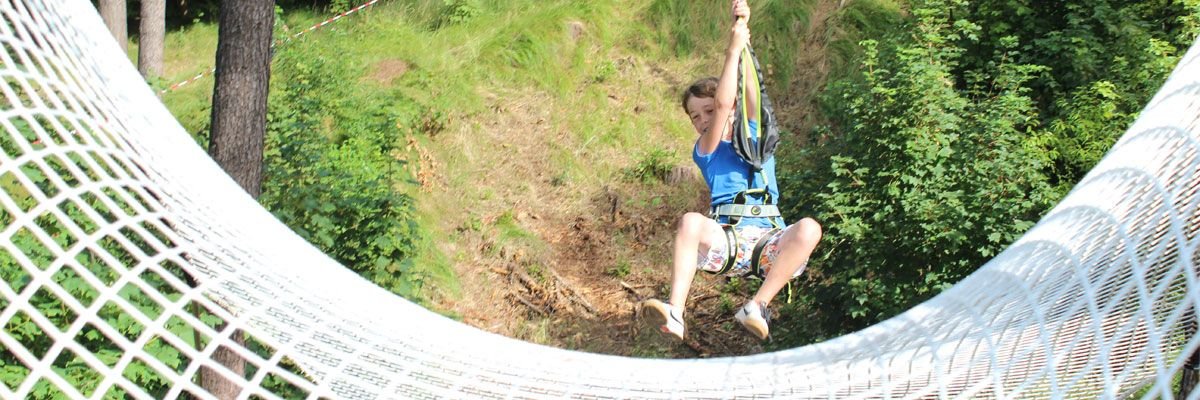
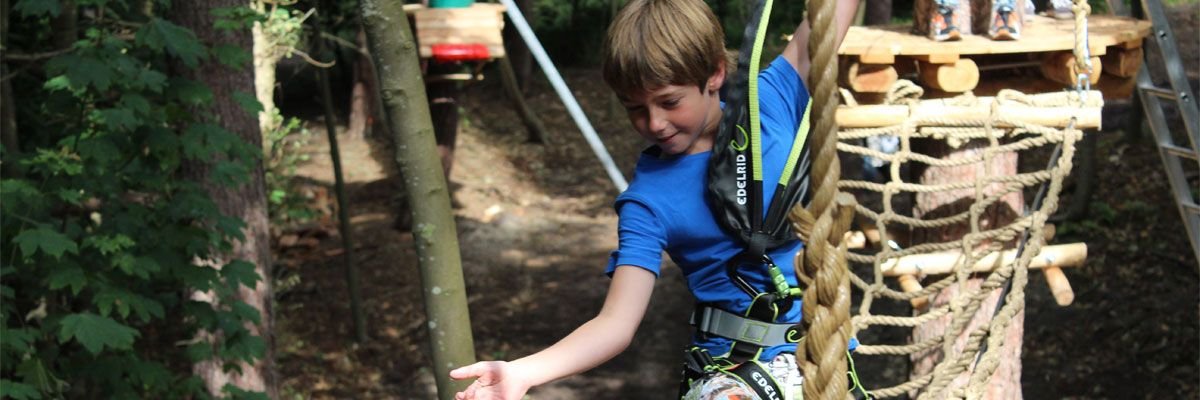
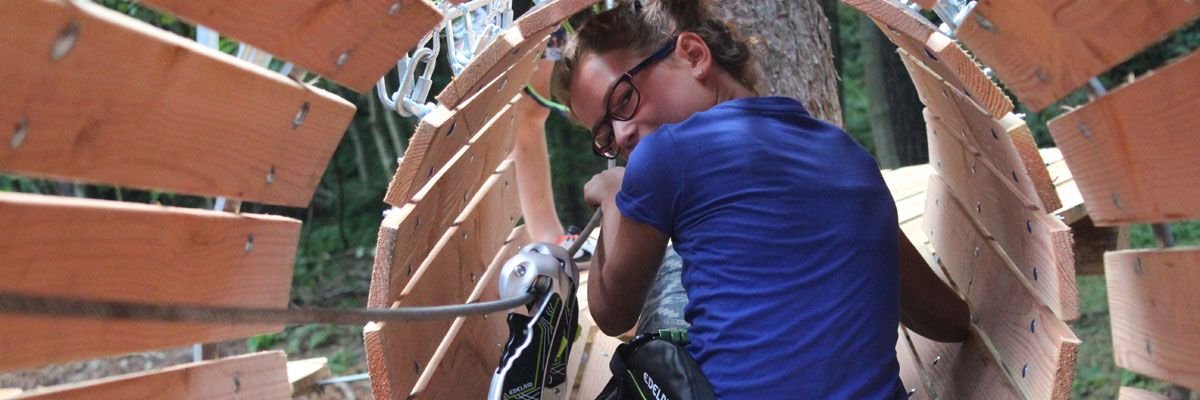
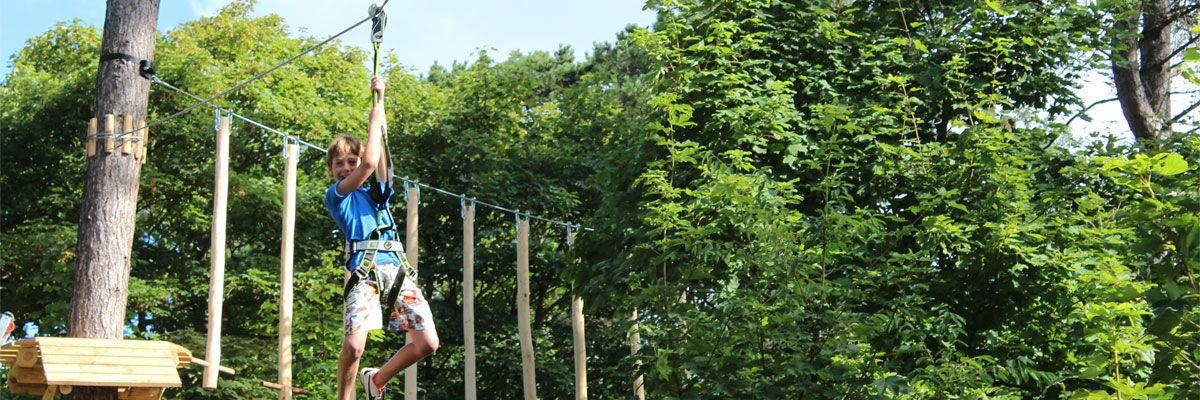
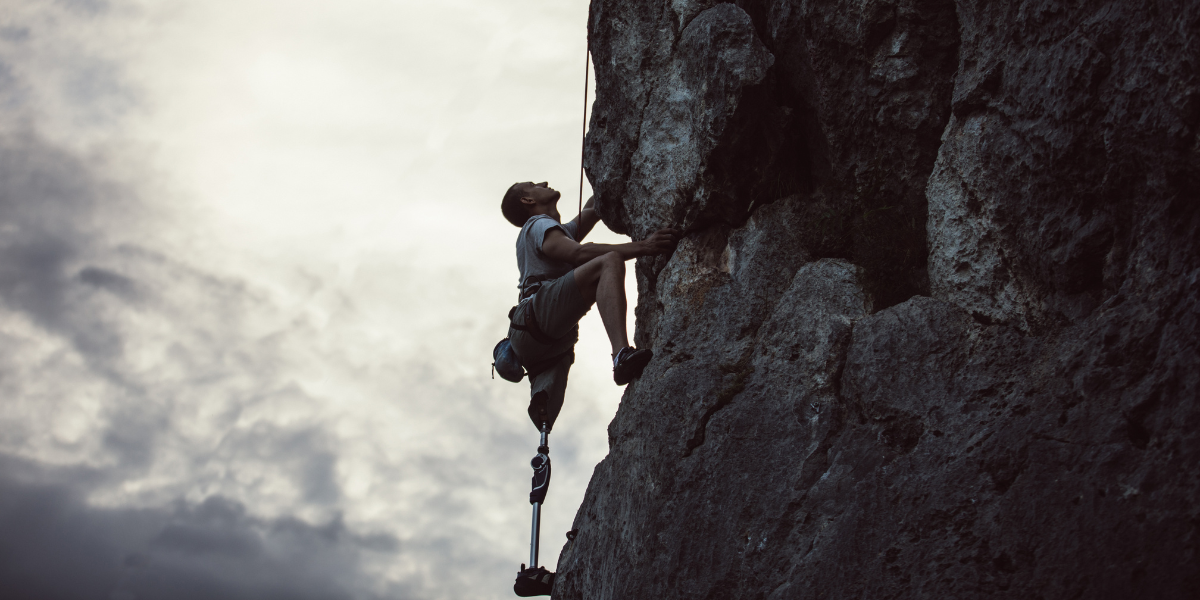
Creating accessible high ropes courses opens your facility to entirely new demographics while fostering genuine inclusion. Operators who embrace universal design ensure that individuals of all physical and cognitive abilities can participate in an accessible adventure at their desired level. By implementing adaptive equipment and thorough staff training, your accessible adventure park can safely support everyone from wheelchair users to neurodivergent guests.
Core principles of universal program design
True inclusion requires rethinking how participants interact with your entire facility from the ground up.
How to make ropes courses accessible
A universal program goes beyond simple adaptations to create a naturally inclusive experience for every single guest. You must build a welcoming environment where all staff are completely comfortable working with diverse participants. This includes maintaining an accessible ropes course that is universally easy to navigate before guests even reach the main attraction.
Breaking barriers in outdoor adventure disability
Many individuals with physical limitations or cognitive differences have never had the opportunity to navigate an aerial challenge. Incorporating adaptive high ropes alongside an accessible climbing wall and an accessible zip line creates a fully integrated recreational therapy environment. Success is measured differently by every guest, whether that means simply wearing a harness or completing the entire route as fast as possible.
Essential gear and infrastructure
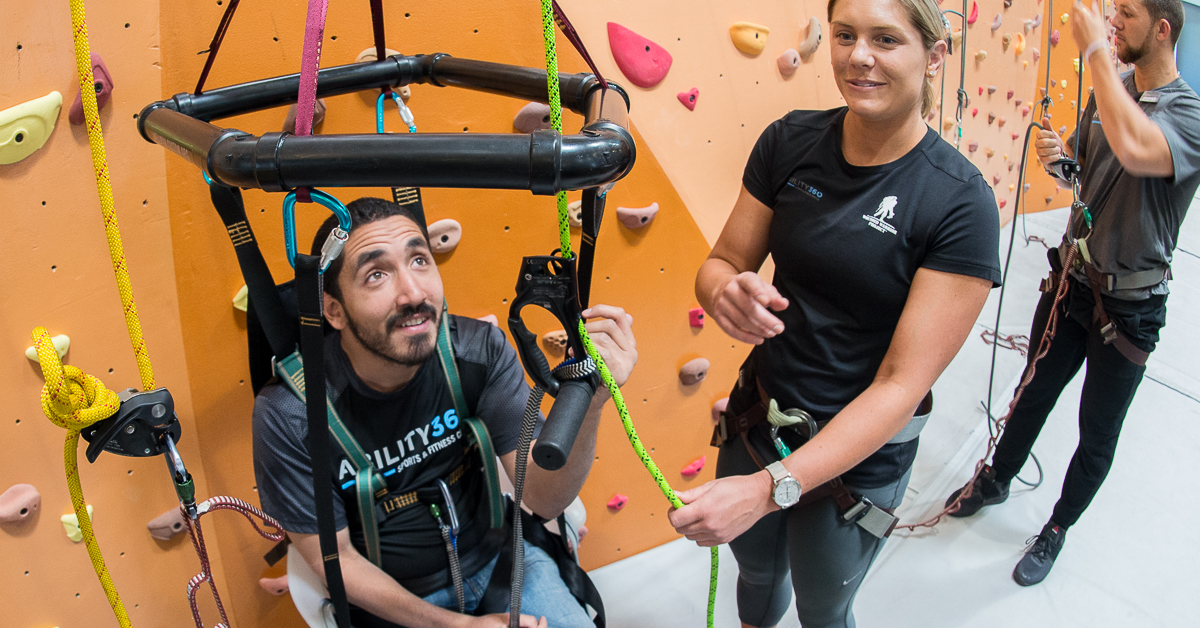
Upgrading your aerial parks requires specific hardware designed to bear unique loads and facilitate seamless participant transfers.
Equipment solutions for disabled outdoor activities
Operators need a comprehensive kit of adaptive hardware, including specialized pulleys, ascender bars, rigging plates, and static ropes. Using chair-like adaptive harnesses provides essential core support for users with specific mobility requirements. You should also stock standard safety gear like chest harnesses, carabiners, and daisy chains to accommodate various outfitting needs seamlessly.
Designing dual-line aerial pathways
To allow guides or able-bodied friends to complete the course side-by-side with disabled participants, you can install dual-line continuous belay systems. These dual-line setups are engineered specifically to carry the combined weight of multiple people. Because of the increased load capacity, operators must use significantly stiffer and heavier cables than those found in standard high ropes courses.

Operational safety and mechanical advantage
Moving participants with limited mobility safely requires reliable hoisting mechanisms and continuous safety connections.
Implementing 4-1 belay and hoisting setups
Since many adaptive activities begin high off the ground, establishing a distinct mechanical advantage is crucial for safe lifting. Utilizing a 4-1 hoisting system means that for every four pounds lifted, operators only apply one pound of force. This specialized lifting mechanism allows staff to safely transport someone directly from a wheelchair up into the active aerial system.
Continuous belay systems and locking mechanisms
Trolley-style continuous belay systems riding on a single cable effortlessly support the user's total weight as they propel themselves forward. For vertical lifting, automatic locking systems engage instantly as the person ascends to prevent accidental drops. Because participants remain securely on belay throughout the transition, they stay entirely safe even if the primary lifting mechanism fails.
Course layout and staff preparation
A thoughtfully structured course and highly trained team are the final vital elements of an inclusive adventure park.
Structuring obstacles for self-selection
Elements like wire walks, ladders, cargo nets, and bridges should be carefully sequenced to build confidence gradually. By placing highly accessible obstacles at the beginning of the route, anxious participants can easily self-select an early exit if needed. Subsequent elements should incrementally increase in complexity to continually challenge an individual's personal physical effort.
Staff training for inclusive adventure activities
Operators must provide customized universal design training to prepare guides for appropriately managing cognitive and emotional differences. Technical training must cover essential physical skills such as outfitting, belaying, lowering, and transferring participants with unique needs. Empowered staff will seamlessly integrate guests with vision loss, hearing loss, or limited motor function into your daily operations.
Transforming your facility with an accessible Adventure Park guarantees a welcoming, progressive environment for all visitors. By investing in continuous belays, 4-1 hoisting systems, and specialized staff training, you ensure that physical barriers never prevent participation. This commitment to total inclusion expands your operating audience while delivering life-changing experiences to guests who previously could only watch from the ground.
Planning an Adventure project? Need expert advice on Adventure park design?
Get in touch today!
Frequent asked questions
How do you make a high ropes course accessible?
You adapt the environment by integrating equipment like continuous belays and offering universal design training for your staff. True accessible high ropes courses also utilize mechanical hoisting systems to safely transfer wheelchair users directly onto the active course. This ensures that everyone can participate securely.
What equipment is needed for inclusive adventure activities?
Essential adaptive gear includes continuous trolley belays, specialized chair-style harnesses, static ropes, and rigging plates. You must also install heavy-duty dual-line cables capable of safely supporting multiple people at once. Standard items like chest harnesses and carabiners complete the necessary outfitting kit.
How can we train staff for neurodivergent outdoor activities?
Custom training programs should equip your entire team to confidently and respectfully manage emotional and cognitive differences. Staff must also master practical interventions like safe transferring and specialized belaying to create a seamless physical experience. This holistic approach guarantees a truly welcoming environment.
What is universal program design for adventure parks?
Universal design moves beyond basic physical accommodations to establish an inherently inclusive recreational culture from the ground up. It ensures that guests of all physical and cognitive abilities can participate at whatever level they desire. This requires inclusive facilities, adaptive gear, and highly comfortable staff.
How do adaptive belay systems work for wheelchair users?
Operators employ 4-1 mechanical hoisting setups to lift participants effortlessly, turning four pounds of lifted weight into just one pound of required force. Once elevated, participants in accessible ropes courses are secured to continuous belays that fully support their body weight during horizontal movement. Redundant locking systems ensure total safety throughout the transition.
Additional expert information on the Adventure Business
Interested to read more about the Adventure Business with our expert articles?
- Logistics and throughput in Adventure Parks, key elements in Customer satisfaction
- Integrating Gaming Technology into Adventure Parks
- How to plan your Adventure Park spatial requirements for maximum ROI
- Adventure Park Installation: How to Ensure Your Attraction is Built Right, the First Time
- Design is Your Best Investment Adventure Park Design
- The Benefits of Integrating Urban Adventure Play in Commercial Retail
- Creating Profitable Adventure Parks: Tips and Strategies
- Roller Coaster Zipline: The Thrilling and Profitable Amusement Solution
- Operational efficiency versus asset addiction in high-volume venues
- The Net Maze Attraction: Safe, Scalable Active Play for All Ages
- How to Launch a Zip Line Company
- Ride a bike modified to attach to a zipline cable
- Rope Course Construction: A Comprehensive Guide
- Leisure and Adventure in Retail Real Estate: The Future of Shopping
- The Benefits of Netted Attractions for Operators and Guests