
• 1.jpg
  • 2.jpg
  • 3.jpg
  • 4.jpg
  • 5.jpg
  • 6.jpg
  • 7.jpg
  • 042A8449-LowRes.jpg
  • inclusive-climbing.jpg
  • JULY-24-071.jpg
  • JULY-24-079.jpg
  • RVR_zipline-06.jpg
◆ Ropes courses · Safety guide

High ropes course safety: equipment, belay systems and inspection

A high ropes course puts guests on bridges, nets, wires and ziplines several metres above the ground. Every one of them must stay protected against a fall, from the first platform to the last. This guide explains what keeps a ropes course safe: the course itself, the belay system, the personal protective equipment, the staff and the inspection routine.

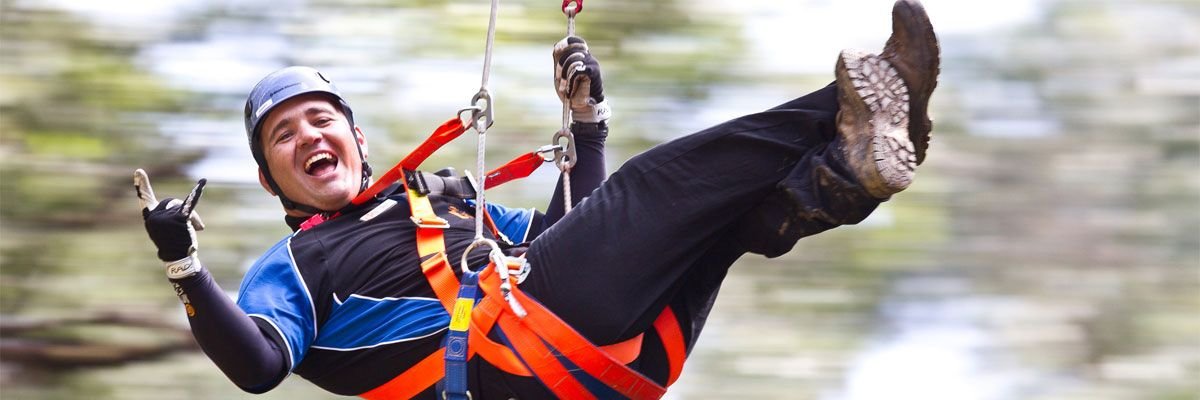
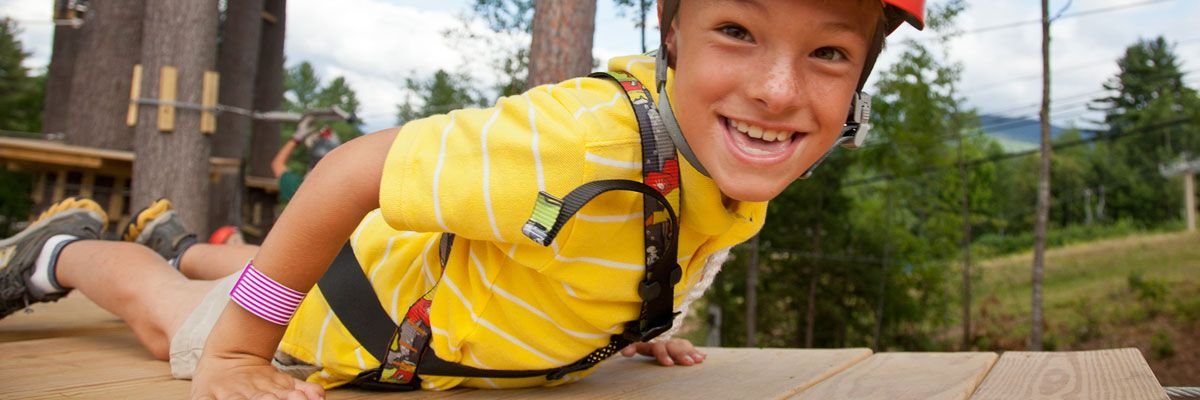
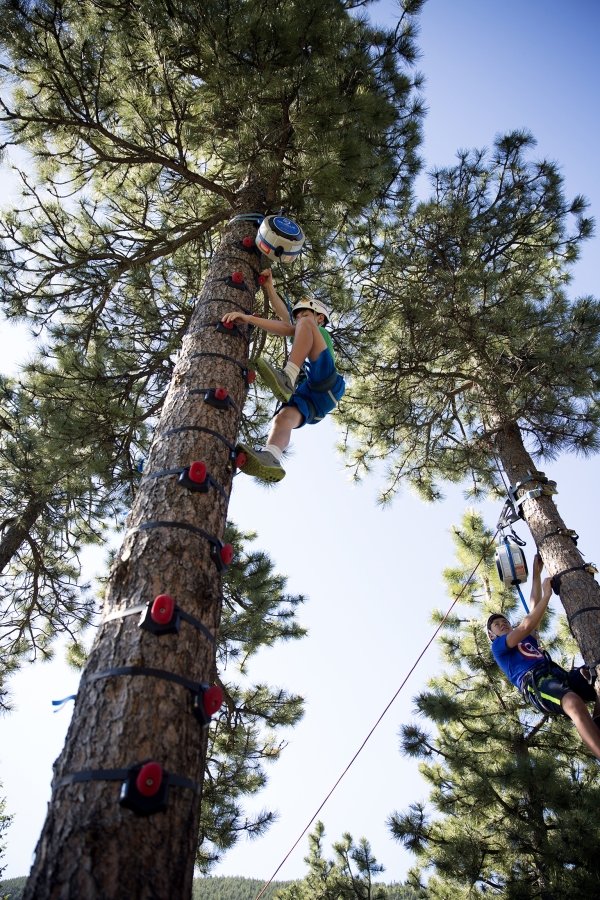
High ropes course with platforms, bridges and climbers in harnesses
Short answerA high ropes course is safe when it is designed and built to EN 15567, every guest is protected by a belay system that cannot be fully unclipped by accident, the personal protective equipment fits and is checked, staff are trained in operation and rescue, and the whole installation is inspected daily and given an annual main inspection.
High ropes courseBelay systemsPPERescue
The basics

What is a high ropes course?

A high ropes course is a climbing course at height where guests need fall protection. Elements such as suspended bridges, balance wires, nets and short ziplines connect a series of platforms.

Two main types

Forest ropes courses (aerial forest parks) stretch the elements between trees. Free-standing courses use wooden or steel poles and can stand anywhere: in a park, on a roof or indoors.

Most parks offer several routes that differ in height and difficulty, so families, school groups, teams and experienced climbers can each find a course that suits them.

What makes it safe

✓
A course designed and built to EN 15567
✓
A belay system that keeps every guest connected
✓
Harnesses, lanyards and helmets that fit and are checked
✓
Trained staff with a rescue plan
✓
Daily checks and an annual main inspection
Belay systems

Belay systems: keeping every guest connected

The belay system is the heart of ropes course safety. It decides how a guest stays attached to the safety line while moving from element to element.

🔗

Continuous belay

The guest's trolley or lanyard runs on a safety line that does not end at the platforms, so they stay connected from start to finish. Read how it works in continuous belay systems.

🧲

Smart lanyards

Two connectors that communicate mechanically or magnetically, so one can only open when the other is closed. EN 17109 classifies these individual safety systems for ropes courses.

👀

Supervised clip-in

Classic twin lanyards with steel carabiners, where staff check every clip-in. Simple, but it depends on the guest and on constant supervision.

Which system fits depends on your course, your guests and how many people per hour you want to move. Compare the options in ropes course belay systems explained, see the Saferoller V3 trolley for continuous belay, or view our belay systems for ropes courses. Ordering for an existing course? See the Saferoller continuous belay range in our shop.

Personal protective equipment

Harnesses, lanyards and helmets

Every guest wears a basic set of personal protective equipment (PPE): a harness, a lanyard or trolley connected to the belay system, and a helmet. Gloves help protect hands from wire strands.

Harnesses

For rental use, full-body harnesses to EN 12277 type A keep the body upright after a fall and have a central attachment point for the lanyard. Small full-body harnesses (EN 12277 type B) suit children up to 40 kg (88 lb). Choose harnesses with a wide adjustment range that are quick to put on.

Helmets

Rental helmets need to be durable and easy to clean. A hard shell with ventilation openings and a removable, washable strap system works well in daily use.

Checks and records

  • Check every harness, lanyard and helmet before it goes out
  • Take damaged or worn PPE out of use at once
  • Keep a record of each item's age, use and inspections
  • Follow the manufacturer's instructions for lifetime and storage
TipTagging PPE with RFID transponders makes it easier to track each item's use and inspection history in a busy rental operation.
Staff and rescue

Trained staff and a rescue plan

Even on a well-built course, guests sometimes need help to get down: an insect sting, exhaustion, fear of heights or a sudden storm. Every course needs a rescue plan and staff who have practised it.

Passive and active rescue

In a passive rescue the rescuer stays at height and lowers the guest to the ground. In an active rescue the rescuer descends together with the guest. A rescue and descent device with a lifting function lets staff lift a guest off a lanyard first and then lower them gently to colleagues on the ground.

The same equipment can evacuate a group from a platform, for example before a storm.

Staff training

  • Briefing guests and checking every clip-in
  • Spotting guests who struggle before they get stuck
  • Rescue drills on your own course, repeated regularly
  • Daily pre-use checks of course, belay system and PPE

We train ropes course staff on their own installation; see training and education.

Inspection

Inspection and maintenance

A ropes course is only as safe as its last inspection. EN 15567 covers construction, operation and inspection together.

✓
Daily: a pre-use check of elements, belay system, platforms, anchors and PPE before the first guest.
✓
Periodic: a closer look at wear, corrosion, cable tension and trees or poles at set intervals.
✓
Annual main inspection: independent inspection by TÜV or an equivalent body, with a written report.

Record every check, repair and replacement in the logbook. It shows the inspector, and your insurer, that the course is kept in the condition it was designed for.

Our lifecycle management service sets up this routine with you.

Frequently asked questions

Are high ropes courses safe?

Yes, when the course is built to EN 15567, guests use a belay system that keeps them connected, PPE fits and is checked, staff are trained in rescue and the course is inspected daily and every year.

What safety equipment do you need for a high ropes course?

A harness, a lanyard or trolley connected to the belay system, and a helmet for every guest; gloves are useful. Staff also need rescue and descent equipment.

What is a continuous belay system?

A belay system where the guest stays connected to one safety line from the start to the end of the course, so they cannot unclip by mistake between elements.

How often must a ropes course be inspected?

Before use every day, at set periodic intervals, and once a year in an annual main inspection by an independent inspection body.

Read more
✓ Adventure park builder since 2005✓ Designed to EN 15567✓ Annual main inspection and lifecycle support✓ Offices in Ede, Amsterdam, Dubai and Riyadh

Planning or upgrading a ropes course?

Tell us about your course and your guests. We advise on the belay system, the equipment and the training before you invest.