





Smart Adventure Park Engineering: Your Key to Safety and Profit
A thrilling concept for an adventure park is just the beginning. To transform that vision into a successful, long-term business, you need a foundation built on precision, science, and an unwavering commitment to safety. This is the domain of professional adventure park engineering. For operators, engineering is not just a step in the process; it is the most critical investment you will make. It ensures that your attraction is not only visually stunning but also structurally sound, compliant, and capable of withstanding years of heavy, continuous use. It is the framework that protects your guests, your staff, and your reputation.
Key Takeaways
The Core of a Safe Attraction: Structural Engineering
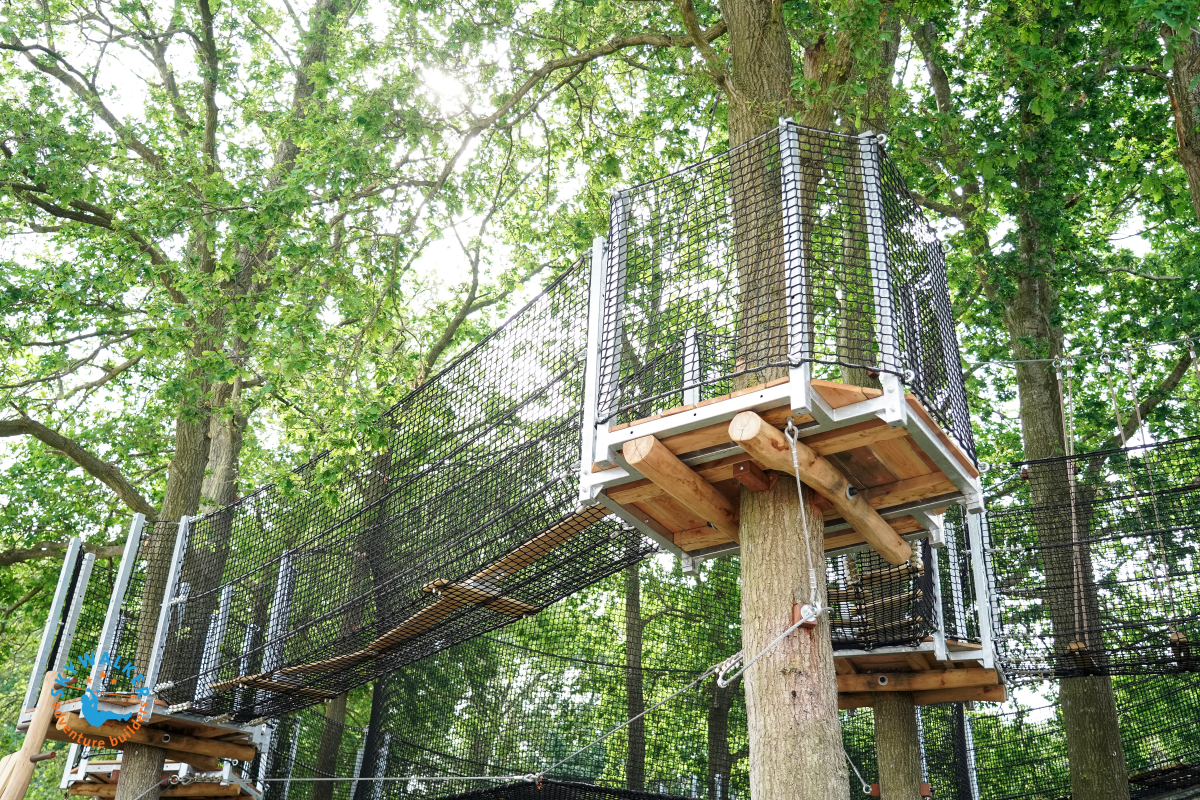
This is where the physical integrity of your park is born. Structural engineering is the science of making sure every component can handle the loads, forces, and stresses it will face. As part of our comprehensive design and architecture process, it goes far beyond just building a platform; it is a deep analysis of how your structures will behave under all conditions, ensuring they remain incredibly safe and durable for their entire lifespan.
- Load Capacity: We calculate the maximum weight every platform, tower, and element can hold, accounting for dynamic forces from active participants.
- Material Strength: This involves selecting the right materials—from steel and timber to cables and bolts—and engineering their connections to guarantee they perform as a single, solid system.
- Environmental Forces: An attraction must stand up to more than just visitor traffic. We engineer structures to withstand local environmental factors like high winds, heavy snow, or seismic activity.
- Long-Term Durability: The goal is to build an asset that lasts. Our structural designs focus on preventing wear and fatigue, ensuring your park can withstand years of heavy use with predictable maintenance.
Building on a Solid Footing: Geotechnical and Civil Engineering
Before you can build up, you must understand the ground you're building on. This is where geotechnical and civil engineering provide the essential groundwork for a stable and efficient park. These disciplines ensure your attraction is anchored securely and that your site works for you, not against you.
- Geotechnical Analysis: This is the first and most crucial step for any outdoor build. We analyze the soil, rock, and ground conditions to determine its stability. This data is critical for designing the correct foundations for towers, poles, and anchor points. A proper geotechnical plan prevents sinking, shifting, or structural failure.
- Foundation Design: Based on the soil analysis, we engineer the specific foundations—from deep-driven anchors for ziplines to concrete footings for multi-story towers—that will lock your structures firmly to the earth.
- Civil Engineering: This part of the process covers the macro-level layout of your site. It includes planning for visitor flow, vehicle access, proper water drainage, and grading. A well-designed site is efficient, easy for guests to navigate, and prevents long-term problems like erosion or flooding.

Professional adventure park engineering ensures your attraction is safe, durable, and profitable through strict structural, civil, and ride engineering methodologies.
Engineering the Thrill: The Science of Ride Engineering
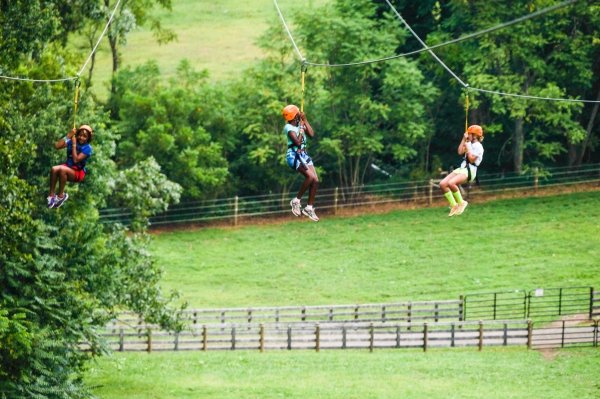
For dynamic attractions like ziplines and zipwires, zip coasters, and free-fall devices, a specialized focus is required. Ride engineering is the highly specific field of designing and analyzing the "thrill" element to ensure it is not only exciting but, above all, predictable and safe. It turns a potential hazard into a controlled, repeatable, and exhilarating experience for every single guest.
- Velocity and Force Calculation: We meticulously calculate the speeds a participant will reach at every point along a zipline. This includes modeling the kinetic forces generated during the ride and, most importantly, at the termination point.
- Braking System Design: Based on arrival speeds, we engineer the primary braking system and its emergency backup. This ensures every rider, regardless of weight or weather conditions, is brought to a smooth, controlled, and safe stop.
- Safety Margins: There is no room for guesswork. We engineer massive safety factors into every dynamic ride, ensuring the system can handle forces far beyond what it would ever typically encounter.
- Component Specification: This includes specifying the exact cable, trolley, harness, and braking components that work together as a complete, certified system to ensure unparalleled safety.
The Complete Solution: A Turnkey Engineering Partner
An adventure park is a complex system of interconnected parts. A failure in one area, like geotechnical, can cascade into a failure in another, like structural. That is why having a single, unified team managing the entire turnkey adventure park construction process is a massive advantage for an operator. Our complete design-build service integrates every engineering discipline from the start.
- In-House Expertise: With in-house architects, industrial designers, and licensed engineers, we manage the entire project from concept to completion. This eliminates the errors and communication gaps that occur when juggling multiple independent contractors.
- Streamlined Process: We handle every phase: initial concept, civil and structural engineering, manufacturing of components, and final installation. This turnkey approach means a single point of accountability for you.
- Cohesive Design: Our process ensures your vision is at the heart of the project. The creative design and the technical engineering evolve together, resulting in an attraction that is both visually stunning and incredibly safe—a hallmark of true quality.
Frequently Asked Questions
Related Solutions