
In the competitive recreation industry, a successful attraction is built on more than just thrills. It begins with strategic adventure park design. For operators, the design process is the most critical phase—it's where vision meets viability, and where the foundation for profitability, safety, and long-term visitor engagement is laid. Going beyond simple construction, a well-designed park optimizes visitor flow, ensures operational efficiency, and creates a unique, memorable experience that sets you apart from the competition. This guide explores the essential steps of a professional design process, from the first sketch to the final, profitable attraction.
The Foundation: From Vision to Viability
The most exciting attractions begin as a simple idea, but turning that idea into a functional business requires a structured, practical approach. This foundational stage is all about research and strategy, ensuring your project is set up for success before the first post is set.
- Site Selection: The first step is a thorough evaluation of your location. We analyze the terrain, available space, accessibility, and potential environmental impacts. A great design works with your environment, using natural topography to enhance the experience. For forest-based projects, this also includes a pre-examination of trees to ensure they are healthy and suitable for supporting a course.
- Feasibility Study: Before committing, you need to know if the project is financially viable. A feasibility study assesses market demand, target audience, potential costs, and projected revenue. This data-driven step prevents costly missteps and aligns the project with your business goals.
- Concept Development: This is where your vision takes shape. We collaborate to develop a unique theme or concept that will define your park. This includes deciding on the mix of attractions to create a balanced and engaging guest experience. This could be a portfolio of:
- ECO Forestparks: Designed for forest environments, these parks blend high-ropes courses with the natural surroundings, using eco-friendly materials and dynamic designs that adapt to tree growth.
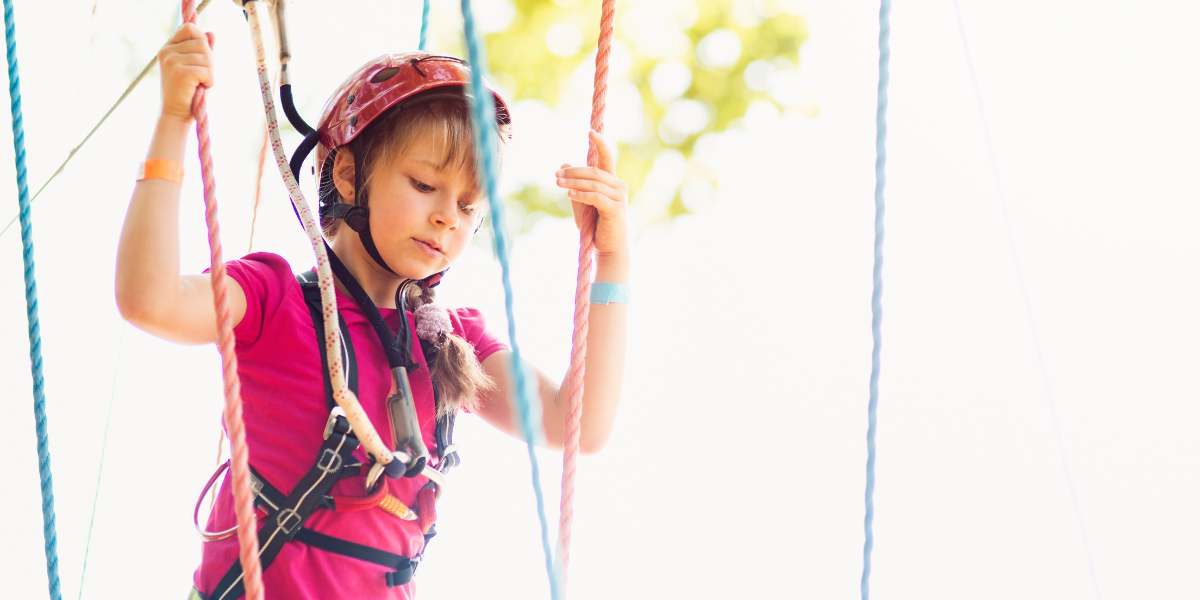
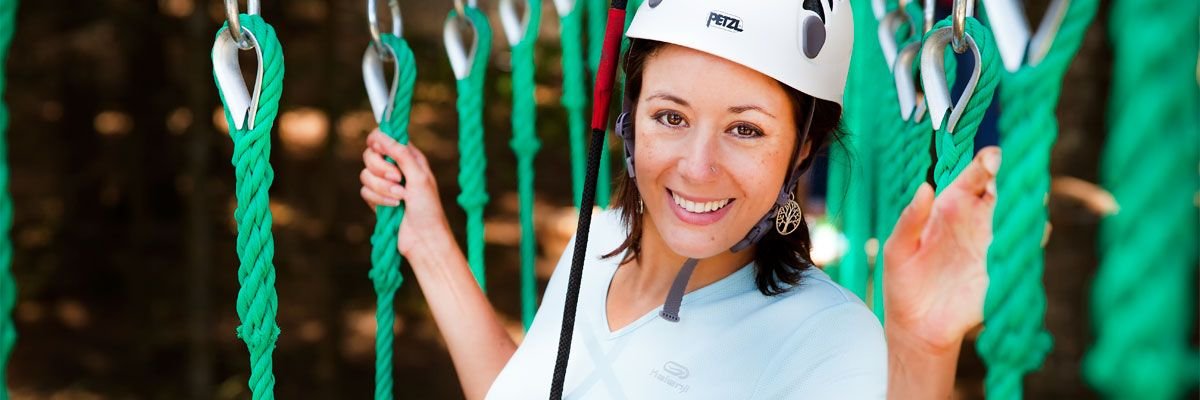
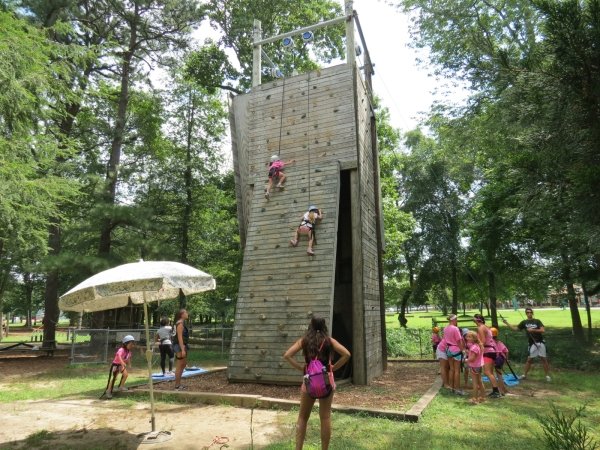
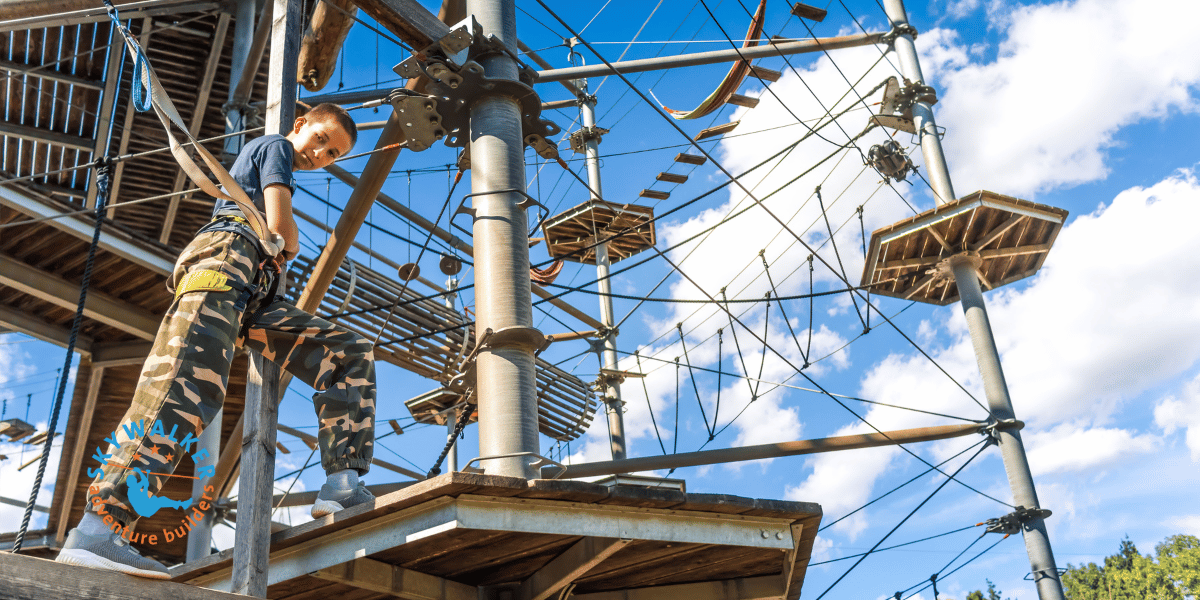
- High Ropes Courses: The classic adventure park element, these can be built on poles or trees and include standalone towers, climbing walls, and various obstacles.
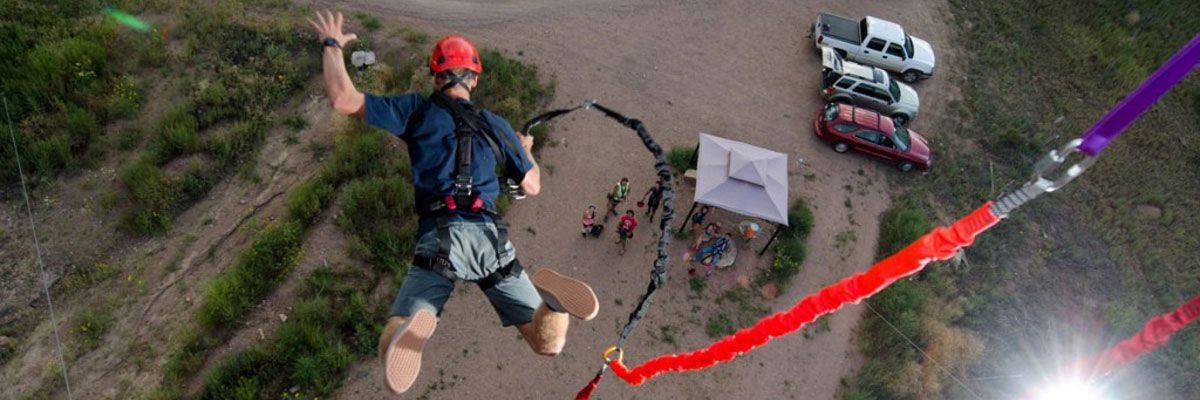
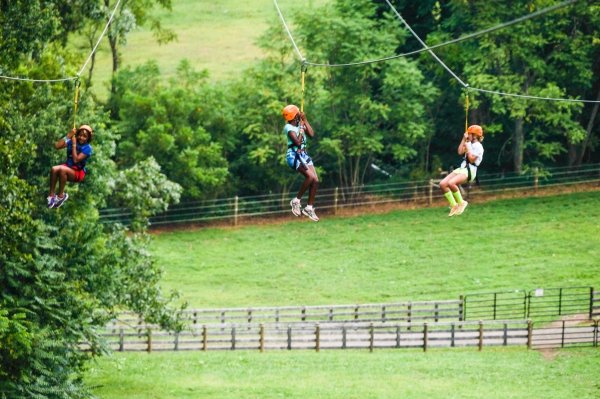
- Thrill Attractions: For targeting thrill-seekers, concepts can include ZipCoasters, high-speed Ziplines, or Free Fall devices.
- Natural Playgrounds: Moving beyond plastic equipment, these unique play spaces use natural materials to blend with the environment and encourage imaginative play.
- Net Adventure Parks: These attractions use large, suspended nets to create a harness-free aerial experience, which is great for all ages, requires minimal staffing, and offers high visitor capacity.
The Blueprint: Engineering and Custom Design
With a viable concept, the focus shifts to the technical blueprint. This phase translates creative ideas into detailed, engineered plans that prioritize safety, durability, and compliance, forming the core of your adventure park design.
- Custom Design Solutions: Every site is unique, and your attraction should be too. We create detailed, custom designs that maximize the use of your specific space, whether it's an indoor facility, an expansive forest, or a compact urban plot. This includes creating layouts that are challenging, fun, and intuitive for visitors to navigate.
- Specialized Engineering: This is a highly technical field. For attractions like ziplines, our teams conduct detailed analyses, including structural force analysis, rider velocity calculations, cable tension specifications, and wind studies. This ensures every component can withstand operational loads and environmental factors.
- Integrating Diverse Attractions: The design phase plans the integration of all your chosen elements. This can range from standalone Adventure Towers that combine climbing, leaping, and ziplining in one footprint, to complex, multi-level indoor ropes courses suspended from a ceiling.
- Safety and Compliance: Safety is the core of our design philosophy. All designs are engineered to meet or exceed the highest industry safety standards. This includes specifying all safety equipment, from harnesses and helmets to the critical belay and braking systems. We engineer solutions for all types of safety systems, including smart belays, continuous belays, and passive safety nets.

The Build: Construction and Quality Assurance
A great design is only as good as its execution. The construction phase is where precise engineering becomes a physical reality. This process demands expert craftsmanship, high-quality materials, and a relentless focus on safety standards from start to finish.
- High-Quality Materials: The longevity and safety of your attraction depend on the materials used. We prioritize durable, high-quality, and environmentally friendly materials, such as sustainably sourced wood and robust steel cables, to ensure your course withstands heavy use and all weather conditions.
- Professional Installation: Construction of adventure attractions is a complex process that must be handled by experienced professionals. Our teams ensure every element is built precisely according to the engineering plans, guaranteeing the structural integrity and safety of the final build. We are proficient in all build types, from pole-based courses to tree-based parks that use systems designed to protect tree health.
- Inspection and Certification: Before opening to the public, every new installation must undergo rigorous testing and inspection. We arrange for a technical inspection by an impartial, accredited independent body to ensure full compliance with all safety standards. This step is essential for certification, insurance, and your own peace of mind.
The Payoff: Design for Operations and Profitability
A successful adventure park design thinks beyond opening day. It integrates operational efficiency and profitability into the very fabric of the attraction, ensuring a sustainable and high-performing business for years to come.
- Optimizing Visitor Throughput: An efficient layout is key to maximizing revenue. We design courses that minimize bottlenecks and manage crowd flow effectively. This allows more visitors to enjoy the attraction smoothly, which directly increases your daily earning potential and customer satisfaction. This is a core part of the park's logistics design.
- Designing for Maintenance: Long-term operational costs are a major factor in profitability. We design attractions that are not only durable but also easy to inspect and maintain. This proactive approach reduces downtime, lowers long-term repair expenses, and extends the life of your investment.
- Maximizing Return on Investment (ROI): Every design choice is linked to your bottom line. By balancing initial construction costs with operational efficiency and high visitor appeal, our designs create a fast return on investment. Features like modular adventure towers or high-capacity net parks are designed for high throughput and low staffing needs, boosting profitability.
- Consultancy and Staff Training: Your team's competence is essential for safety and efficiency. We provide more than just the build; we offer advanced consultancy services on operations, marketing, and safety management. We also provide comprehensive staff training on operational procedures, safety protocols, and rescue techniques to ensure your team is fully prepared.
Strategic adventure park design is the single most important investment you can make in your recreation business. It’s a holistic process that balances excitement with rigorous engineering, and visitor experience with operational profitability. By focusing on a strong foundation of feasibility, adhering to the highest safety standards, and planning for long-term efficiency, you create an attraction that not only thrills guests but also delivers a reliable and significant return on investment. A professional design process doesn't just build a ropes course; it builds a successful and sustainable adventure destination.
What is the first step in adventure park design?
The first step is a comprehensive site selection and feasibility study. Before any creative design begins, it's crucial to assess the location's suitability, analyze the target market, and determine the financial viability of the project to ensure a positive return on investment.
What safety standards are used in challenge course design?
We design all attractions to meet the highest international safety standards. This governs the design, construction, inspection, and maintenance of ropes courses and ziplines, ensuring all elements, braking systems, and materials meet strict safety and quality requirements.
How long does the design and construction process take?
The timeline varies significantly based on the project's scale and complexity. The initial design, engineering, and approvals phase is meticulous. Construction itself is a complex process. We work with you to establish a clear project timeline, ensuring the installation is completed efficiently while prioritizing safety and quality.
How do you design a park to be profitable?
Profitability is designed into the park from the start. We focus on two key areas: maximizing visitor throughput and minimizing operational costs. This is achieved through efficient layouts that prevent bottlenecks, selecting durable and low-maintenance materials, and designing attractions (like net parks or adventure towers) that offer high capacity with minimal staffing needs.
Can you design a course for a small or indoor space?
Absolutely. Our product lines are specifically intended for diverse locations, including indoor facilities like sport halls, leisure centers, and shopping malls. We can design custom courses that utilize unused space, such as on a roof or suspended from the ceiling, to create a unique and challenging experience in any environment.
Planning an Adventure project? Need expert advice on Adventure park design?
Get in touch today!
Additional expert information on the Adventure Business
Interested to read more about the Adventure Business with our expert articles?
- Logistics and throughput in Adventure Parks, key elements in Customer satisfaction
- Profitable Upgrades for Aerial Adventure Parks
- Integrating Gaming Technology into Adventure Parks
- Optimizing Adventure Park Operations: The Power of Predictive Analytics
- The Benefits of Integrating Urban Adventure Play in Commercial Retail
- Creating Profitable Adventure Parks: Tips and Strategies
- Roller Coaster Zipline: The Thrilling and Profitable Amusement Solution
- Prioritizing Safety: The Key to Success in Aerial Adventure Parks
- Maximize Your Adventure Park's Potential with an Online Reservation System
- Importance of a Safety and Quality Management System at Adventure Parks
- Virtual Reality Training in Adventure Parks: Revolutionizing Skill Development and Safety
- Climbing to New Heights: Boosting Traffic and Revenue with an Indoor Ropes Course
- How to Launch a Zip Line Company
- Ride a bike modified to attach to a zipline cable
- Adopting Universal Design and Adaptive Techniques for Inclusive Adventure
- From Skills to Thrills: How to Start and Run a Successful Adventure Business
- Thinking of investing and operating a Zipline? We got you covered with this expert article!
- Rope Course Construction: A Comprehensive Guide
- Leisure and Adventure in Retail Real Estate: The Future of Shopping
- The Benefits of Netted Attractions for Operators and Guests
- Thrills Adventure for Family Entertainment Centers’