



• 1.jpg
  • 2.jpg
  • 3.jpg
  • 4.jpg
  • 5.jpg
  • 6.jpg
  • 7.jpg
  • 042A8449-LowRes.jpg
  • inclusive-climbing.jpg
  • JULY-24-071.jpg
  • JULY-24-079.jpg
  • RVR_zipline-06.jpg
◆ Zipline Safety · Technical Guide

Does Your Zipline Need an Emergency Arrest Device?

According to international standards, every high-speed zip line requires an Emergency Arrest Device (EAD) to ensure rider safety. But what exactly is an EAD and is your operation compliant? This article explains why a backup brake is mandatory to eliminate a ‘single point of failure’ in your system. We define what an Emergency Arrest Device is, explore the different types of primary and secondary braking systems (manual, automatic, and gravity-fed), and clarify why an EAD is necessary even when using a reliable primary brake like the zipSTOP. Ensure your zip line meets safety standards and provides the ultimate protection for your riders by understanding this critical component.

Article Summary

Key takeaways

  • An Emergency Arrest Device (EAD) is a mandatory backup system that prevents riders from impacting the terminal in the event of primary brake failure.
  • Operating a high-speed zipline with only one braking mechanism creates a dangerous "single point of failure" that violates safety standards.
  • EADs typically utilize friction-based mechanical engineering to safely absorb rider momentum when triggered.
  • Implementing secondary braking is a legal and moral obligation for operators to ensure full EN standard compliance.
  • Even highly reliable primary brakes, such as the zipSTOP, legally require an independent secondary EAD.
System Vulnerabilities

Eliminating the single point of failure
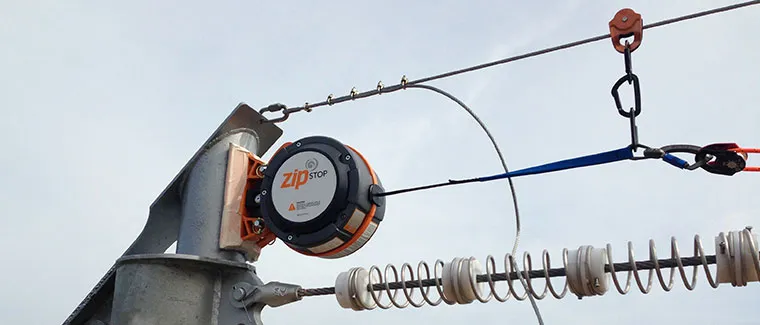
A high speed zipline rider approaching the terminal platform with an emergency arrest device installed

Modern zipline braking systems require secondary safety mechanisms to meet international standards.

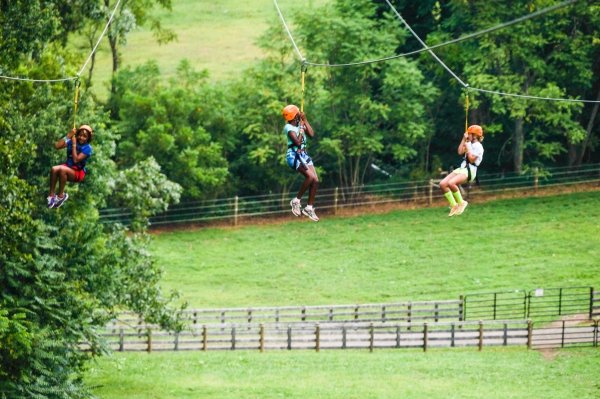
Ziplines and zipwires are designed within recreational ropes courses to ensure participants arrive at the platform in a controlled, low-speed manner. On longer installations, death rides, and flying foxes, a dedicated braking system is utilized to stop people smoothly and consistently.

However, operating a high-speed zipline with only one primary brake creates a critical vulnerability known as a "single point of failure". Because there is no backup equipment, a failure in the primary brake leads directly to an accident. An expertly engineered zipline mitigates this risk by integrating an independent, secondary braking system.

Categorising braking systems

Braking systems, both primary and backup, generally fall into three distinct categories:

  • Manual / Active: The rider is responsible for bringing themselves to a stop at the end of the line, either with a gloved hand on the cable or through a manual braking device.
  • Automatic / Passive: The braking system brings the rider to a stop automatically without user intervention, often through impact or magnetic resistance.
  • Gravity: The rider comes to a gradual stop without a formal brake device, relying purely on the specific sag and engineering of the cable line.
Technical Mechanics

How emergency arrest devices work

A Zipline Emergency Arrest Device (EAD) is a safety system designed to prevent a rider from hitting an object or the ground in the event of a catastrophic failure of the primary setup. EADs typically consist of a braking mechanism that engages when triggered, acting as the final line of defence.

These devices operate using a combination of physics and mechanical engineering. When the primary system fails, the EAD is triggered and the mechanism engages, bringing the rider to a safe stop. The exact engineering varies, but many use a friction-based system that relies on the rider's weight and the angle of the cable to safely dissipate momentum.

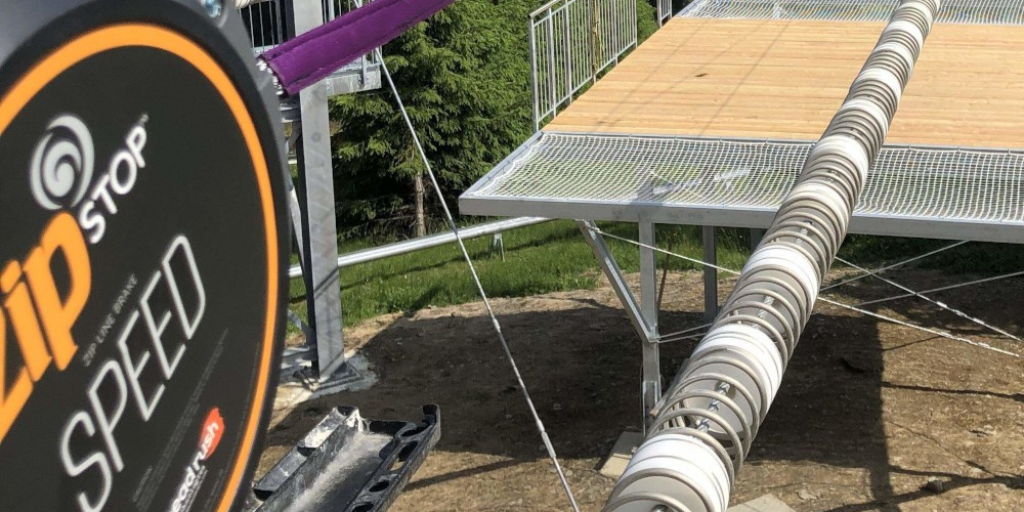
At Skywalker, we take zipwire braking seriously. Even though high-end magnetic systems like the zipSTOP are designed to function as highly reliable primary brakes, operators still must have an emergency arrest device. This serves as a secondary, independent solution to mitigate the risk of user error or third-party equipment failures.

Hardware Note For optimal safety, your zipline braking systems must always be paired with compatible zipline trolleys and rated harnesses to ensure the entire setup functions safely under impact.
Frequently Asked Questions

Common questions about EADs

What is a zipline emergency arrest device (EAD)?

An emergency arrest device (EAD) is a secondary safety system designed to prevent a zipline rider from hitting the terminal structure or ground if the primary braking system suffers a catastrophic failure. It acts as the ultimate backup mechanism.

How do zipline emergency arrest devices work?

EADs work by using mechanical engineering and physics. When the primary system fails to stop the rider, the EAD is triggered and a secondary braking mechanism—often relying on friction and the rider's weight—engages to safely absorb the momentum and bring the rider to a halt.

What are the benefits of using an EAD?

The primary benefit of an EAD is saving lives by providing a critical layer of redundancy against equipment failure. Additionally, having a visible backup system improves the overall rider experience by giving participants peace of mind to enjoy the thrill without safety anxieties.

Why are emergency arrest devices essential for zipline safety?

EADs are essential because operators have a legal and moral obligation to eliminate "single points of failure." Many global regulatory bodies and safety standards now strictly mandate the use of EADs; failure to comply can result in severe penalties, legal liabilities, and compromised rider safety.

Can any braking system be used as an EAD?

While many braking systems can function as either a primary or backup brake, an EAD must be completely independent of the primary system. Specific options, such as properly installed spring packs, depend on the zip line's construction, speed, and length. Simple impact pads are generally not approved as standalone EADs.

EN 15567 compliant Highest European safety standards ERCA certified partner

Ready to start your project?

Our consultancy team will assess your site, define a concept, and produce a fixed-price proposal — with the feasibility fee credited back to construction.

Related reading

More on zipline technology

Product Ziplines & Zipwires

Cable grades, span configurations and throughput planning for commercial zipline installations.

Product Bi-Directional Zipline Trolleys

Return-trip zipline technology that eliminates walk-back queues and increases hourly capacity.

Product ZipCoaster — Rollercoaster Zipline

A seated, track-guided zipline engineered for resort-scale throughput and sustained guest excitement.

Product category Thrill Adventures — Full Range

ZipCoaster, free-fall devices, adventure towers and the complete Skywalker thrill attraction lineup.

Product Zipline Brake Systems

Passive and active braking options matched to terrain profile, cable length and rider weight range.

Service Zipline Design & Engineering

What an engineered zipline specification covers — and why site-specific design protects your permit and insurance position.

Shop Order: Zipline Braking Systems

Certified zipline brakes for new installations and replacement orders.

Shop Order: Zipline Trolleys

Compatible trolley sets for standard and bi-directional zipline configurations.

Shop Order: Zipline Harnesses

EN 15567-compliant harness range for guest-facing zipline operations.

Turnkey planning Build Your Park

Planning a full destination with multiple zipline attractions? The Skywalker turnkey process starts with a fixed-price feasibility study.