

• 1.jpg
  • 2.jpg
  • 3.jpg
  • 4.jpg
  • 5.jpg
  • 6.jpg
  • 7.jpg
  • 042A8449-LowRes.jpg
  • inclusive-climbing.jpg
  • JULY-24-071.jpg
  • JULY-24-079.jpg
  • RVR_zipline-06.jpg
Designed for professional operators, this guide details a proven adventure park business model to boost efficiency and turnover.
◆ Adventure Business · Strategy

Unpacking the High-Yield Adventure Park Business Model

As an operator in the adventure and recreation industry, you are always looking for the next operational edge. How can you increase footfall, improve operational efficiency, and build a brand that stands out? The answer lies in evolving your approach from simply offering high-thrill activities to creating a comprehensive, high-yield adventure destination. This represents a structural shift from selling individual tickets to securing long-term profitability in a competitive leisure market.

Executive Summary

Key Takeaways

Broaden the market: Shift from extreme niche messaging to inclusive, mass-market positioning to capture families and corporate groups.
Active revenue management: Implement dynamic pricing, bundled packages, and pre-booking systems to maximize throughput and per-head spend.
Multi-faceted diversification: Build layered experiences and add accommodation to evolve from a day-trip site to a high-yield short-break destination.
In-house capability: Bring maintenance, marketing, and data teams internally to control quality, protect margins, and present a stronger case to stakeholders.
Market Reach

Expanding Beyond the Thrill-Seeker

The first strategic shift in a modern adventure park business model is broadening the target market. Many operators market exclusively to adrenaline junkies, inadvertently alienating a much larger, highly profitable demographic. Successful parks avoid niche positioning like ‘extreme,’ focusing instead on shared fun, unique views, and accessible memories.

Inclusivity is the commercial cornerstone of this approach. Designing an experience for everyone increases potential market capture and encourages longer, higher-spending visits from diverse groups:

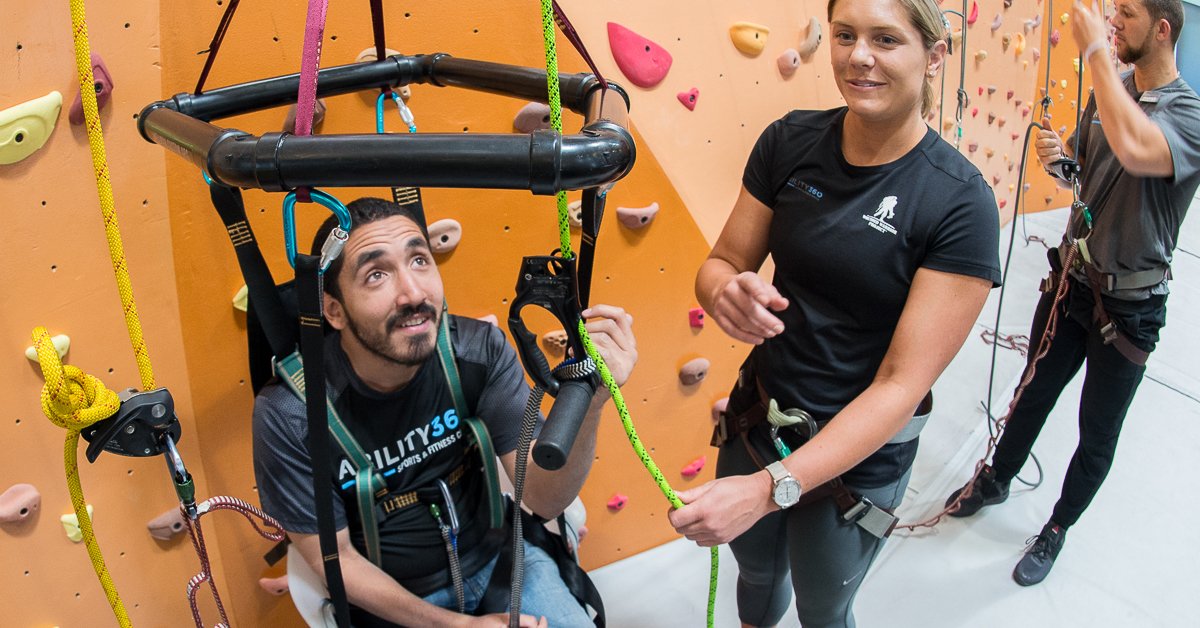
Guests with Disabilities: Adapting pathways and sourcing specialized harnesses demonstrates a commitment to accessibility that builds powerful brand loyalty.
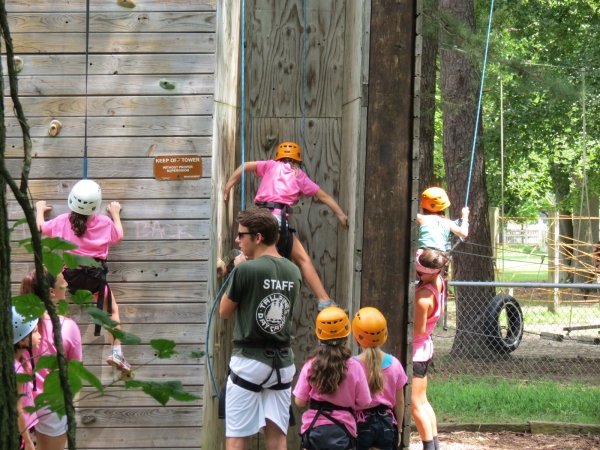
Multi-Generational Appeal: Supplementing marquee ziplines with gentle woodland walks or accessible viewing platforms captures younger siblings and grandparents, increasing dwell time.
Non-Participating Guests: The person who books the trip often does not participate. Comfortable seating, quality F&B, and engaging platforms are crucial for group retention.

Transitioning to a broader market often requires a complete turnkey destination master plan to evaluate the optimal attraction mix and ROI timeline.

The Barrier of Entry Even welcoming pets can be a simple but effective way to remove a barrier to entry for families. Thinking of the park as a welcoming space—not an exclusive thrill-zone—drastically alters the commercial ceiling.
Revenue Optimization

The High-Yield, High-Volume Model

Maximizing profitability requires balancing high daily throughput with a premium price point. This necessitates maximizing the utilization of anchor attractions—such as extending operating hours from early morning to late evening—to capture diverse market segments and effectively double the daily revenue potential of a single ride.

📅

Dynamic Pricing

Fluctuate prices based on demand, time, and day. Midday weekend slots command premium rates, while Tuesday mornings offer volume-driving discounts.

💻

Drive Pre-Bookings

Pushing 80%+ of visits to advance online bookings simplifies staff scheduling, eliminates queues, and secures predictable upfront revenue streams.

📦

Bundle and Upsell

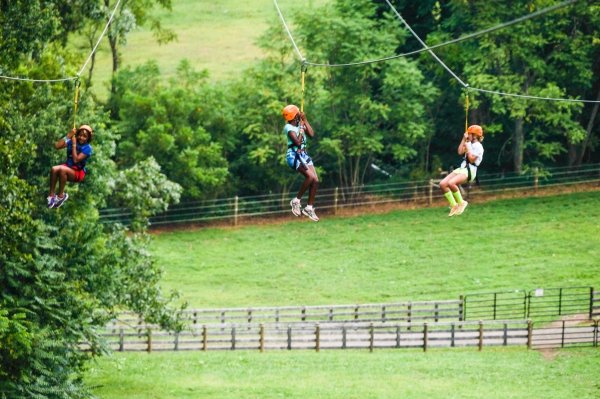
Never sell a single ride. Package a sunset zipline with F&B, or bundle attractions with high-margin photo/video media to increase per-head spend.

Strategic Growth

Building a Multi-Faceted Destination

A single world-class attraction garners attention, but a diverse portfolio of experiences builds a resilient business. The most forward-thinking models aim to convert a two-hour day trip into a multi-day short break. This requires strategic diversification:

Woodland Adventures

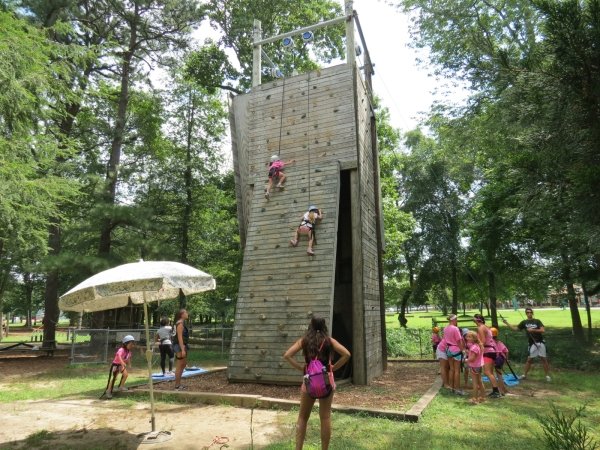
Treetop courses and alpine coasters leverage existing topography to create high-throughput, family-friendly capacity.

Underground Exploration

Subterranean trampolines and cavern courses offer unique, all-weather alternatives that safeguard revenue against seasonality.

Aerial Viewing

Rotating platforms and observation blimps provide stunning panoramic views with zero physical intensity.

The ultimate diversification is accommodation. Adding eco-pods or lodges transforms operations into a genuine holiday destination, securing a vastly larger share of the visitor's travel budget through seamless multi-day packaging.
Operations

In-House Control and Sustainable Expansion

As parks expand, maintaining agility and quality is paramount. The strongest commercial models rely on vertical integration. Bringing key functions in-house—from construction crews that understand complex terrain, to dedicated IT teams managing dynamic pricing data—grants operators unparalleled control over timelines and cost structures.

  • Marketing & Sales: Internal PR teams react instantly to market shifts and create authentic content aligned with the core brand.
  • Data & IT: Managing booking systems locally ensures immediate insights into visitor behavior, enabling precise revenue optimization.
  • Training & HR: Rigorous internal programs guarantee that everyone—from car park attendants to high ropes instructors—delivers a consistent experience. Our training standards mirror this requirement.
  • Sustainable Practices: Committing to EVs and local suppliers strengthens regional goodwill and secures smoother planning permissions for future expansion.
Common Questions

Frequently Asked Questions

How do we start implementing dynamic pricing?

Start small. Analyze your current booking data to identify peak and off-peak times. Begin by creating two or three price tiers: a premium rate for weekend afternoons, a standard rate for weekdays, and a value rate for early morning or late evening slots. Use your online booking system to manage this, and clearly communicate the value of off-peak tickets to your customers.

What is the most crucial first step in diversifying our attractions?

The first step is to understand your current audience and who you are missing. Survey your guests to see what other activities they would enjoy. Look for an attraction that complements your main draw but appeals to a different group. For example, if you have a high-intensity zipline, adding a family-friendly alpine coaster or a scenic treetop walk can capture the family market without cannibalizing your core offering.

Is building an in-house construction team realistic for a smaller park?

While a full-scale construction team might be too ambitious initially, you can start by hiring a skilled, full-time maintenance and fabrication lead. This person can manage smaller projects, oversee contractors more effectively, and build a small team over time. The key is to gradually reduce your reliance on external contractors for core operational and safety-critical work.

How important is the customer experience outside of the main attractions?

It is critically important. A guest's day is shaped by every interaction, from the person directing traffic in the car park to the cleanliness of the toilets and the quality of the coffee. A positive experience in these "minor" areas builds trust and makes guests more receptive to spending money on your high-margin activities, food, and merchandise. It is often the first and last impression they have of your park.

Should we avoid a franchise model for expansion?

For brands where safety and customer experience are the absolute top priorities, a direct ownership or management model is generally recommended over franchising. Franchising can dilute brand control and introduce risks to your reputation if a franchisee fails to meet your rigorous standards. Direct control ensures every location delivers the same high-quality, safe experience your brand is known for.

High-Yield Strategies Turnkey Business Models Sustainable Expansion Planning

Ready to upgrade your business model?

Our consultancy team partners with operators worldwide to transition single-attraction sites into high-yielding destination parks.

Related reading

Explore the adventure business

Turnkey planning Build Your Park

The full Skywalker process: from fixed-price feasibility study through design, engineering and opening day.

Service Consultancy — Feasibility & Concept

What a Skywalker feasibility study covers — and how the fee credits back into construction cost.

Service Design & Architecture

How Skywalker translates a site concept into engineered construction drawings and permit-ready specifications.

Service Concepting & Theming

Turning a site brief and investor vision into a coherent, themed guest experience with commercial logic.

Service HRM & Operations Planning

Staffing structures, hiring frameworks and operating model design for adventure parks at scale.

Product AirCruizer Cable Bicycle

An aerial cable bicycle that adds a low-intensity, family-accessible revenue stream to any adventure destination.

Product Net Adventure

Multi-level suspended net structures — high dwell time, low staffing cost, strong ROI for family parks.

Product Ultimate Adventure Tower

A vertical multi-discipline anchor attraction that drives park-wide footfall and upsell across adjacent attractions.

Service Zipline Design & Engineering

Engineered zipline specifications — why site-specific design protects your permit, insurance and long-term operating margin.

Products overview All Products — Attraction Range

Browse the full Skywalker product range to plan your park's attraction mix and revenue model.