
• 1.jpg
  • 2.jpg
  • 3.jpg
  • 4.jpg
  • 5.jpg
  • 6.jpg
  • 7.jpg
  • 042A8449-LowRes.jpg
  • inclusive-climbing.jpg
  • JULY-24-071.jpg
  • JULY-24-079.jpg
  • RVR_zipline-06.jpg
Ensure guest safety and lower maintenance costs by understanding your ropes course materials. Explore the benefits of wood and steel here.
◆ Ropes Course Materials · Adventure Business

Ropes Course Materials: Choosing Between Wood and Steel

Selecting the right ropes course materials is the most critical decision an operator will make when designing a new aerial adventure park. The debate between natural wood and galvanized steel impacts your initial investment, ongoing maintenance, and total structural lifespan. Understanding these core differences ensures you build a profitable, safe, and long-lasting attraction.

Executive Summary

Key takeaways

Wood provides authentic aesthetics and lower upfront costs, but requires higher ongoing maintenance and earlier lifecycle replacement.
Galvanized steel offers maximum durability and capacity for heavy dynamic loads, dramatically reducing long-term OPEX.
Climate dictates choice; extreme humidity or coastal environments demand steel and stainless connections to prevent rapid decay.
Traditional Foundations

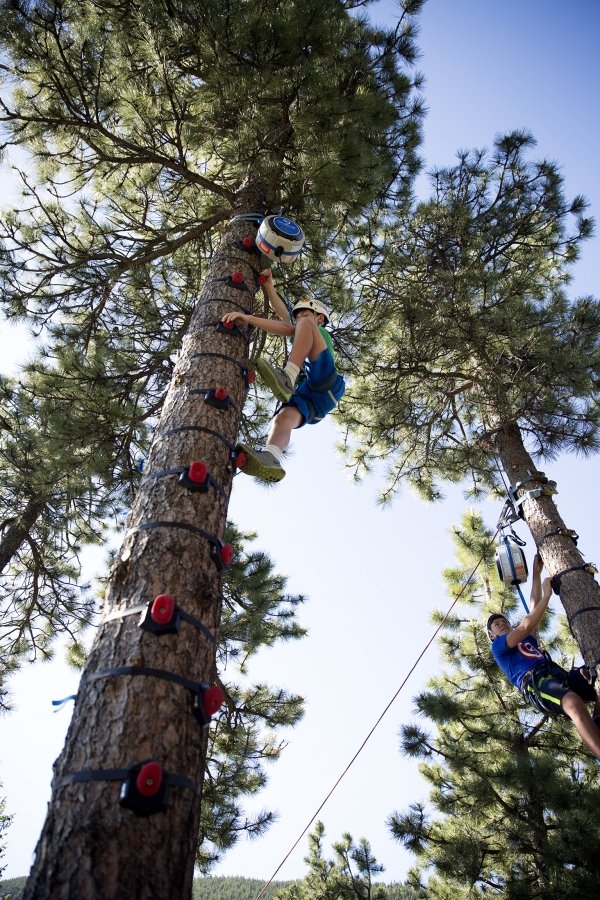
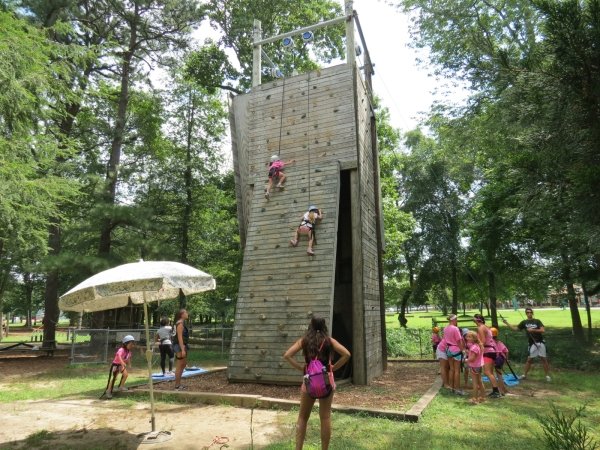
Treated wood courses and utility poles

Timber elements create a traditional climbing experience but require diligent environmental oversight. Natural wood offers an authentic outdoor aesthetic that blends seamlessly into high-wire forest parks and eco-resorts. While it often requires a lower upfront material investment, it draws operators into a long-term commitment of proactive care.
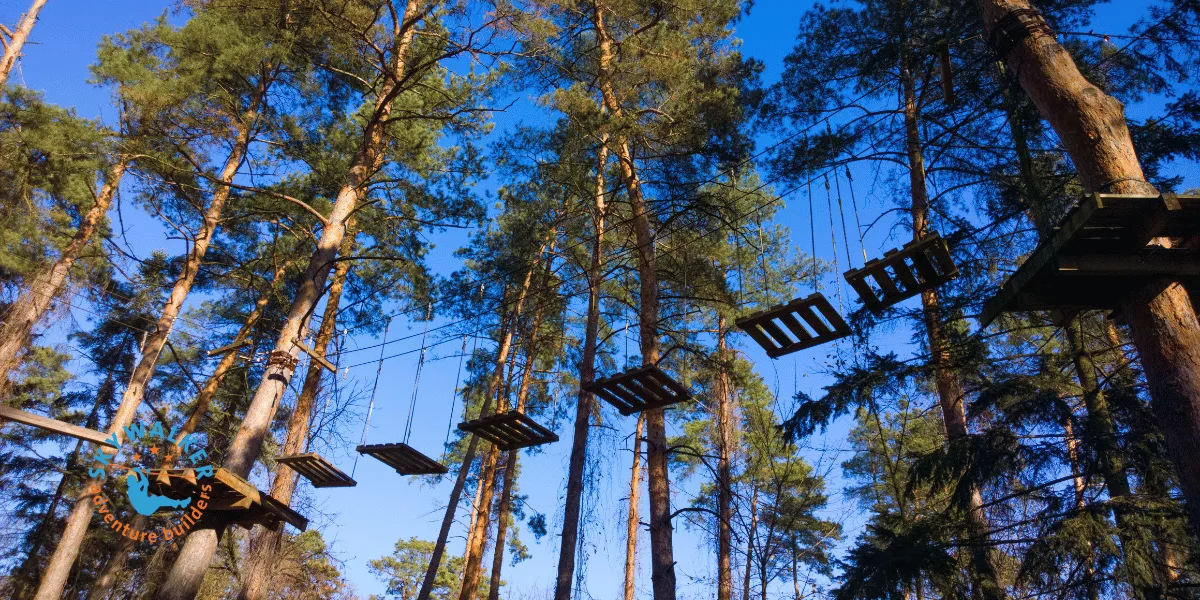
Annual inspection of wood utility poles on a traditional ropes course to monitor rot and structural integrity.

Evaluating material choices requires balancing upfront aesthetics with long-term inspection requirements.

Lifespan and deterioration

Modern environmental regulations have restricted the use of heavy chemicals like CCA treated wood, effectively reducing the natural lifespan of timber poles. Operators must factor in routine structural replacements every ten to fifteen years depending on soil and weather conditions.

Rot prevention strategy

Preventing decay is an ongoing operational expense. Applying localized preservative treatments and post-sleeves at the ground level reduces moisture absorption. A certified inspector must perform annual compliance checks to monitor UV degradation as a core part of your lifecycle management.

Engineered Capacity

Galvanized steel courses

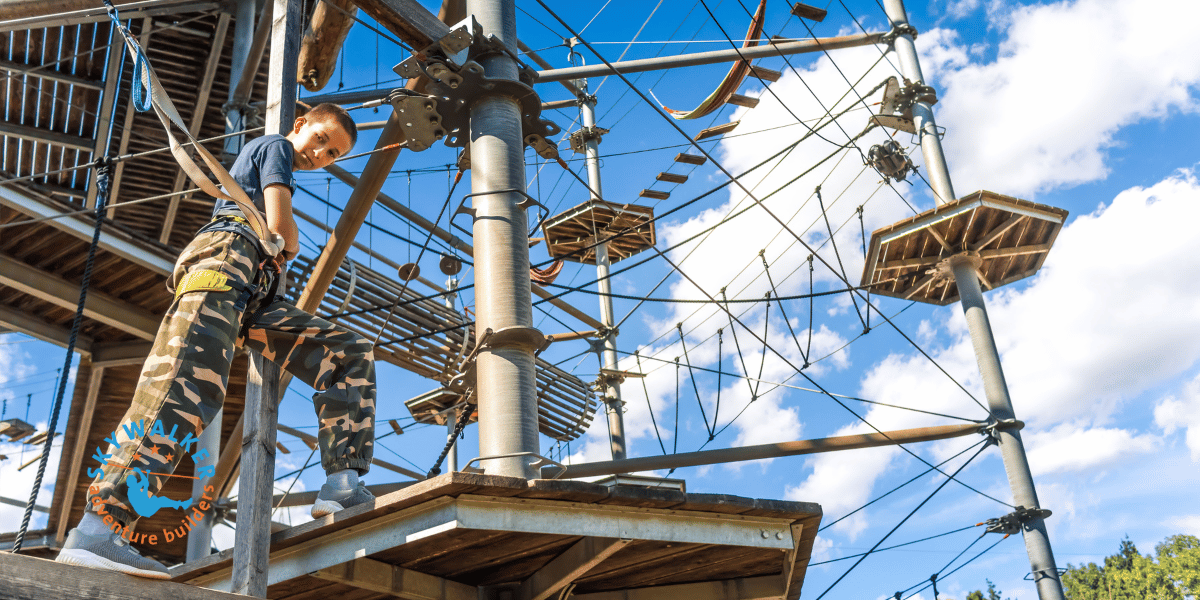
Metal structures offer predictable engineering and high-capacity throughput for commercial operators. Steel provides unmatched structural durability and a modern, high-thrill appearance suitable for urban or high-traffic locations.

Structural integrity and modularity

Steel allows for a highly stiff construction design, often eliminating the need for expansive external guy lines and reducing your total footprint. This rigidity easily supports multi-level adventure hubs and dynamic additions like high-speed ziplines or vertical free-fall devices. Modular elements can be swiftly swapped or upgraded without compromising core structural fatigue limits.

Adventure tower maintenance

Opting for a steel frame drastically minimizes the unpredictable variables associated with organic materials. Galvanization protects the metal from rust, demanding only basic visual inspections for surface wear or hardware corrosion. This predictability translates directly to lower annual maintenance budgets and fewer unexpected operational closures.

Environmental Stressors

Climate considerations for material choice

Local weather patterns dictate the ultimate success and safety of your foundational structures. Parks operating in highly humid or coastal zones face accelerated hardware corrosion and rapid wood decay. In these aggressive environments, hot-dipped galvanized steel paired with stainless steel connection hardware provides the safest long-term solution. For dry, temperate forests, treated wood remains a highly viable option for high ropes courses.

Master Planning Phase Balancing the natural aesthetics of timber against the high-capacity durability of galvanized steel ensures your attraction meets both guest expectations and operational budgets. Make an informed material choice using proper design and architecture consultancy early in the process.
Knowledge Base

Frequently asked questions

What is the best material for a ropes course?

The ideal ropes course materials depend entirely on your local climate, target demographic, and available capital. Wood provides a cost-effective, natural aesthetic ideal for forest settings, while steel offers superior longevity and higher capacity for urban environments. Assess your long-term maintenance budget before making a final selection.

How long do wood utility poles last in adventure parks?

Modern untreated or lightly treated timber poles typically last between ten and fifteen years before requiring replacement. Environmental factors like ground moisture, insect activity, and UV exposure heavily influence this timeline. Implementing strict preventative maintenance extends the operational safety of the wood.

Why choose galvanized steel for aerial courses?

Galvanized steel provides exceptional resistance to structural fatigue and environmental degradation. This material allows for rigid, freestanding tower designs that require less physical space and minimal anchoring. It is the safest choice for high-volume parks wanting to minimize annual upkeep.

How does climate affect ropes course construction?

Extreme humidity and salty coastal air rapidly accelerate hardware corrosion and wood rot, necessitating rust-proof steel and specialized coatings. Freezing cycles can expand moisture inside timber, causing structural splitting over time. You must match your construction materials to the specific environmental stressors of your geographic region.

What is the maintenance difference between wood and steel courses?

Wood requires continuous monitoring for organic decay, fungal growth, and splintering, adding high ongoing labor costs. Steel primarily requires visual inspections for rust spots or bolt tension, making it highly predictable. Evaluating your materials correctly upfront prevents costly emergency repairs down the line.

EN 15567 Certified ERCA Member 15+ Years Industry Experience

Ready to specify your project materials?

Our engineering and consultancy team can help define the optimal structural choices for your climate and commercial goals. Get in touch to discuss your upcoming project.

Related reading

Explore the adventure business

Turnkey planning Build Your Park

The full Skywalker process: from fixed-price feasibility study through design, engineering and opening day.

Service Consultancy — Feasibility & Concept

What a Skywalker feasibility study covers — and how the fee credits back into construction cost.

Service Design & Architecture

How Skywalker translates a site concept into engineered construction drawings and permit-ready specifications.

Service Concepting & Theming

Turning a site brief and investor vision into a coherent, themed guest experience with commercial logic.

Service HRM & Operations Planning

Staffing structures, hiring frameworks and operating model design for adventure parks at scale.

Product AirCruizer Cable Bicycle

An aerial cable bicycle that adds a low-intensity, family-accessible revenue stream to any adventure destination.

Product Net Adventure

Multi-level suspended net structures — high dwell time, low staffing cost, strong ROI for family parks.

Product Ultimate Adventure Tower

A vertical multi-discipline anchor attraction that drives park-wide footfall and upsell across adjacent attractions.

Service Zipline Design & Engineering

Engineered zipline specifications — why site-specific design protects your permit, insurance and long-term operating margin.

Products overview All Products — Attraction Range

Browse the full Skywalker product range to plan your park's attraction mix and revenue model.