


• 1.jpg
  • 2.jpg
  • 3.jpg
  • 4.jpg
  • 5.jpg
  • 6.jpg
  • 7.jpg
  • 042A8449-LowRes.jpg
  • inclusive-climbing.jpg
  • JULY-24-071.jpg
  • JULY-24-079.jpg
  • RVR_zipline-06.jpg
Increase adventure park profitability by mastering zipline ROI, dispatch intervals, and cost amortization. Scale your commercial recreation business today.

Maximizing Zipline ROI requires a strategic balance between thrilling visitor experiences and rigorous financial planning. Professional operators must carefully align their initial Capital Expenditure (CapEx) with realistic capacity modeling to ensure long-term profitability. This guide breaks down the essential components of a successful zipline business plan so you can optimize operations and accelerate revenue.

Understanding the fundamentals of capital and operational costs

A solid financial foundation begins by mapping out every hard cost before breaking ground on your aerial attraction.

What is the cost to build a zipline?

The cost to build a zipline varies heavily based on terrain topography, length, and the required support structures. Operators must accurately forecast their Capital Expenditure (CapEx) to cover engineering, premium safety hardware, and automated braking systems. Properly allocating these initial investments ensures your zipline business plan remains grounded in financial reality.

Managing ongoing operational expenditure

Operational Expenditure (OpEx) dictates your cash flow, meaning operators must strictly manage the following core expenses:

  • Comprehensive liability insurance to protect your asset.
  • Ongoing staff training and routine hardware inspections.

Mastering capacity modeling for peak performance

Your park's financial success is directly tied to how efficiently you move guests through the experience.

Strategies to increase zipline throughput

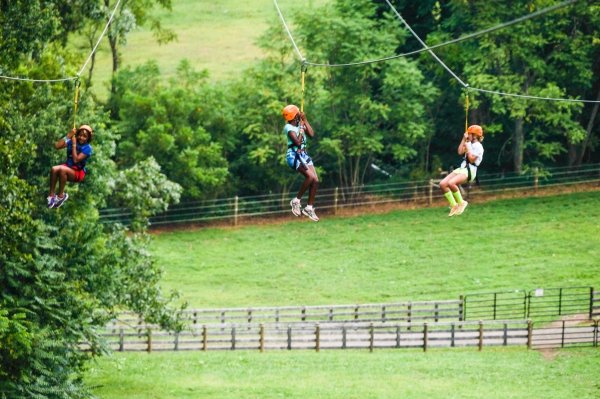
Optimizing your zipline throughput is the fastest method to scale daily revenue during peak seasons. By reducing the dispatch interval between riders, you instantly multiply your hourly capacity without adding new zipline infrastructure. Using automated magnetic braking systems drastically cuts turnaround times, driving superior adventure park profitability.

How does throughput affect zipline ROI?

Volume is the ultimate metric when it comes to shrinking your amortization schedule down to the standard ten years. If your capacity modeling is flawed, long wait times will cannibalize your profit margins and frustrate paying customers. High throughput guarantees maximum utilization of your hardware, pushing your Zipline ROI into the green much faster.

Creating a resilient zipline business plan

A robust blueprint protects your commercial adventure park against seasonal fluctuations and unexpected market shifts.

Best practices for a zipline business plan

Your zipline business plan must clearly outline target demographics, realistic attendance projections, and precise operational budgets. Operators should integrate automated safety systems to lower staffing requirements and utilize modular equipment storage to protect expensive gear. Securing a fast Zipline ROI ultimately relies on accurately pricing your tickets to reflect the premium nature of the ride.

Securing long-term adventure park profitability

True commercial success means looking beyond the opening season to ensure decades of steady revenue.

Maximizing adventure park profitability

To achieve sustained adventure park profitability, operators must continuously monitor and adjust their overhead ratios. Implementing rigorous preventative maintenance programs prevents costly unplanned downtime that destroys your Zipline ROI. By focusing on efficiency, operators can effectively manage their OpEx while delivering a flawless visitor experience on attractions like the rollercoaster zipline.

Building a highly lucrative adventure destination requires strict attention to your initial capital layout and daily operational limits. By implementing aggressive capacity modeling and reducing your dispatch interval with advanced trolleys, you can drastically accelerate your Zipline ROI. A precise business blueprint ultimately ensures your aerial attraction remains both thrilling for guests and financially bulletproof.

Planning a zipline installation? Need expert advice on zipline design?

Get started Today

Frequent asked questions

Are zipline businesses profitable?

Yes, these attractions can yield a massive Return on Investment (ROI) when placed in high-traffic tourist zones. Operators who meticulously manage their OpEx and maintain high daily visitor volumes see the fastest returns. A well-structured zipline business plan is the exact key to unlocking this commercial potential.

How many people can ride a zipline per hour?

Depending on the specific dispatch interval, a standard commercial line can easily process high volumes of riders an hour. Utilizing automated braking systems allows staff to safely launch guests faster, thereby maximizing overall zipline throughput. Higher hourly volumes directly translate into a much stronger Zipline ROI during the peak operating season.

What is the cost to build a zipline?

The initial Capital Expenditure (CapEx) fluctuates widely based on the required steel towers, cable length, and site topography. Commercial operators should also budget heavily for premium safety trolleys, arrival platforms, and automated arrest devices. Accurately mapping these hard costs prevents budget overruns and secures future adventure park profitability.

How does throughput affect zipline ROI?

Throughput is the mathematical engine that drives your total Zipline ROI by maximizing ticket sales per operational hour. If your capacity modeling restricts rider flow, your fixed daily costs will aggressively eat into your profit margins. Smooth operational logistics ensure that every available harness generates revenue throughout the day.

What are the typical operating expenses for adventure parks?

Standard Operational Expenditure (OpEx) includes guide wages, mandatory annual hardware inspections, and facility upkeep. Securing comprehensive liability insurance is also a major recurring cost that operators must strictly account for. Keeping these overheads lean helps shorten your amortization period and drastically improves net profits.

Related reading

More on zipline technology

Product Ziplines & Zipwires

Cable grades, span configurations and throughput planning for commercial zipline installations.

Product Bi-Directional Zipline Trolleys

Return-trip zipline technology that eliminates walk-back queues and increases hourly capacity.

Product ZipCoaster — Rollercoaster Zipline

A seated, track-guided zipline engineered for resort-scale throughput and sustained guest excitement.

Product category Thrill Adventures — Full Range

ZipCoaster, free-fall devices, adventure towers and the complete Skywalker thrill attraction lineup.

Product Zipline Brake Systems

Passive and active braking options matched to terrain profile, cable length and rider weight range.

Service Zipline Design & Engineering

What an engineered zipline specification covers — and why site-specific design protects your permit and insurance position.

Shop Order: Zipline Braking Systems

Certified zipline brakes for new installations and replacement orders.

Shop Order: Zipline Trolleys

Compatible trolley sets for standard and bi-directional zipline configurations.

Shop Order: Zipline Harnesses

EN 15567-compliant harness range for guest-facing zipline operations.

Turnkey planning Build Your Park

Planning a full destination with multiple zipline attractions? The Skywalker turnkey process starts with a fixed-price feasibility study.