
• 1.jpg
  • 2.jpg
  • 3.jpg
  • 4.jpg
  • 5.jpg
  • 6.jpg
  • 7.jpg
  • 042A8449-LowRes.jpg
  • inclusive-climbing.jpg
  • JULY-24-071.jpg
  • JULY-24-079.jpg
  • RVR_zipline-06.jpg
Are you choosing between high ropes vs low ropes courses? Understand risk profiles, staffing, and throughput to make the right choice for your park.
◆ Adventure Business · Strategy

High Ropes vs Low Ropes Courses: Maximizing Revenue

Choosing between high ropes vs low ropes courses requires a deep understanding of your venue's target audience and operational capacity. Both models offer distinct advantages for visitor engagement, but they demand completely different staffing and safety protocols. Matching the right aerial or ground-based asset to your demographic is the fastest way to maximize park revenue.

TL;DR

Key Takeaways

High ropes courses deliver significant thrill and adrenaline, attracting teenagers and adults, but require intensive staffing and continuous belay systems.
Low ropes courses capture the lucrative young family demographic by offering accessible, ground-level challenges with drastically reduced operational overhead.
Unharnessed net adventures blur the lines, providing the elevated height of high ropes with the high throughput and low staffing requirements of a ground-level playground.
Course Infrastructure

Mechanics and Target Demographics

The Draw of Aerial Adventures

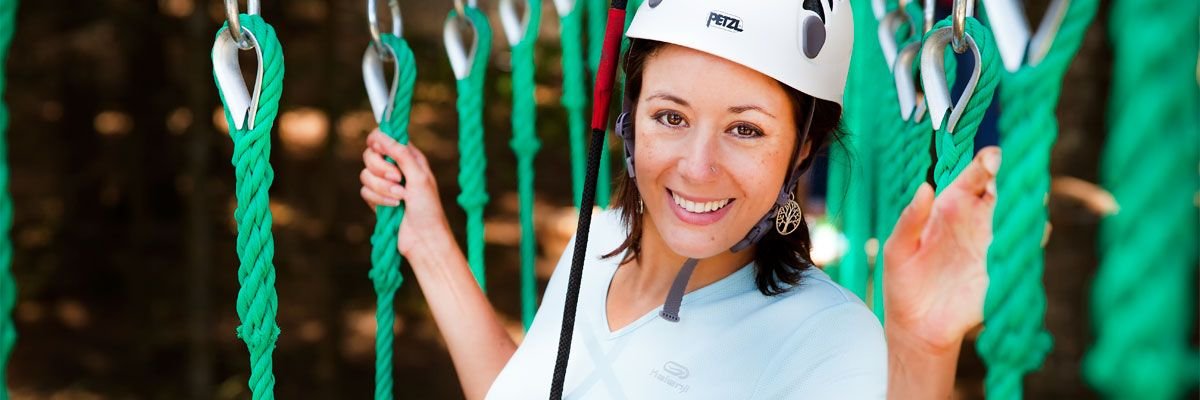
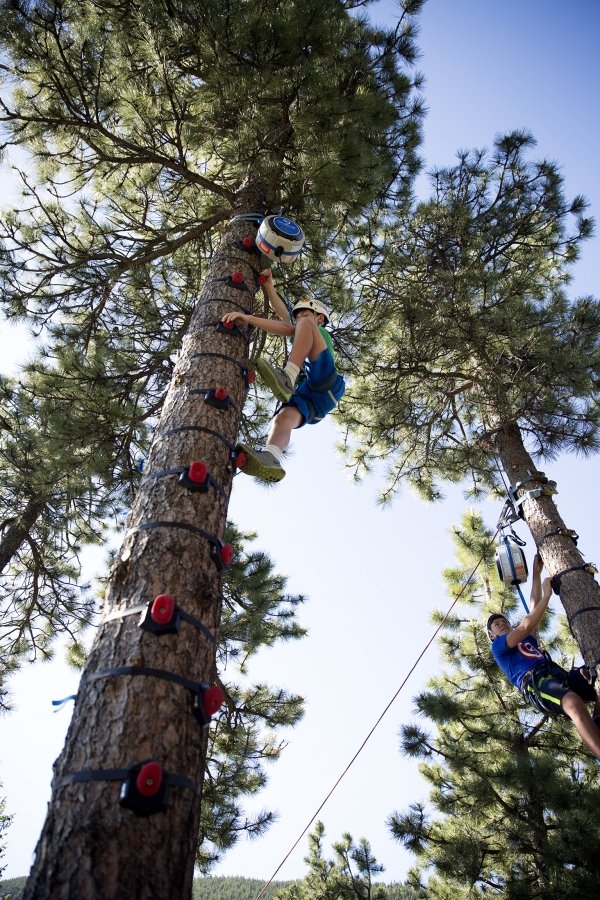
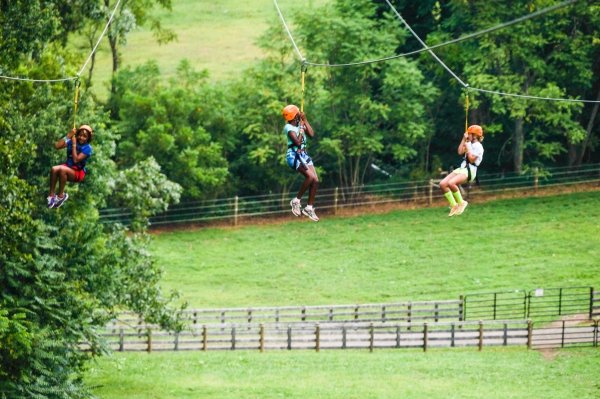
Traditional aerial installations place participants several meters above the ground and require a continuous belay system for fall protection. These elevated challenge courses deliver high perceived risk and adrenaline, making them highly attractive to teenagers, adults, and corporate groups.

Participants navigate wobbly bridges, swinging logs, and aerial runs that demand precise engineering. However, minimum height and age requirements usually restrict these activities to participants over eight years old.

Family Appeal of Low Ropes

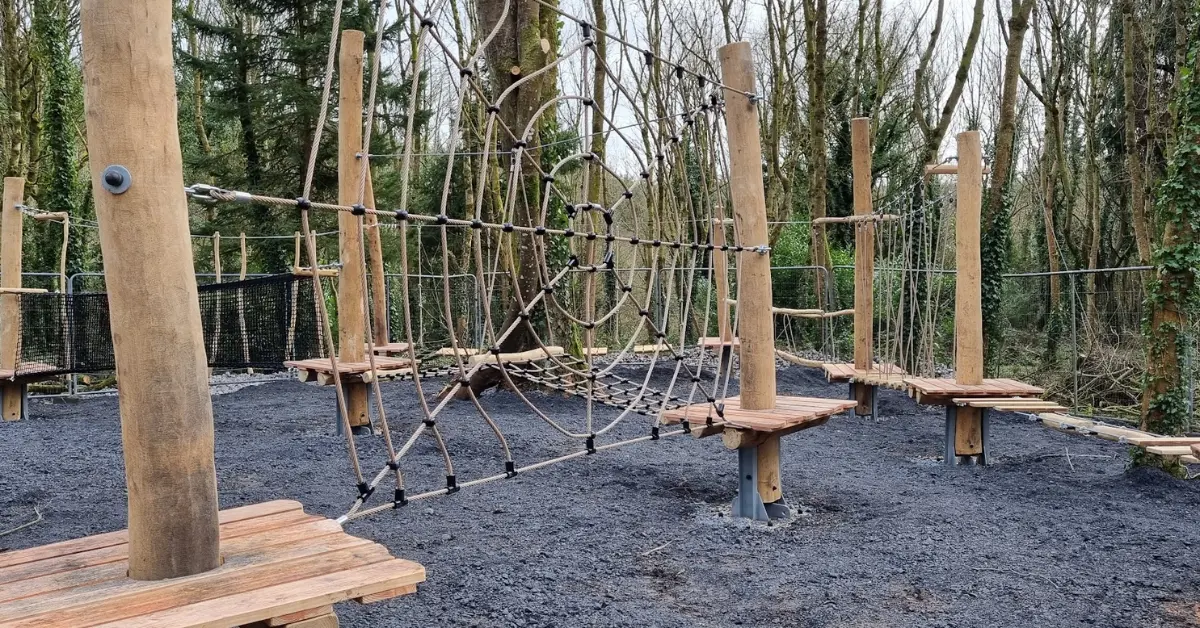
Ground-based elements are placed just a few feet off the ground, entirely removing the need for safety harnesses. These installations rely on impact-absorbing surfacing and active spotting. The primary goal is collaborative problem-solving rather than individual physical thrill.

These accessible kids ropes courses naturally capture the lucrative young family market that elevated courses often exclude. Parents can walk alongside their children, offering physical assistance and encouragement without needing specialized gear.

Operational Costs

Risk Profiles and Staffing Implications

Staffing High Ropes

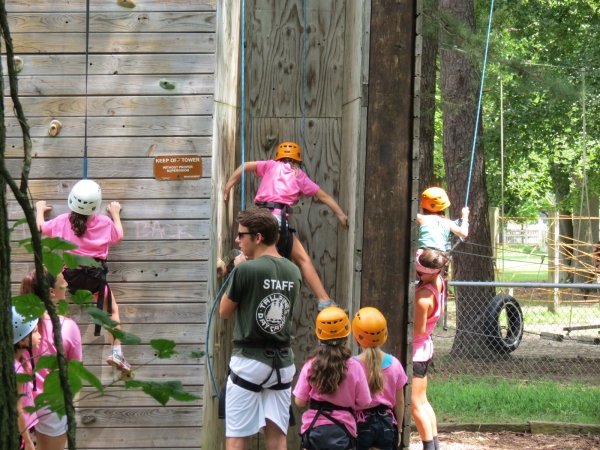
Operating an elevated course demands rigorous safety briefings, harness fitting, and continuous visual monitoring by highly trained rescue staff. You must maintain strict instructor-to-participant ratios to manage the elevated risk profile effectively, unless utilizing advanced auto belays. This intensive supervision model drives up daily payroll costs significantly.

Staffing Low Ropes

Elements situated near the ground inherently carry a lower risk of severe injury from falls. Operators can utilize significantly lower supervision levels, often relying on self-guided participation or simple ground instruction. This drastically reduces operational overhead while maintaining excellent throughput.


The Unharnessed Net Alternative

Modern operators are blurring the lines between altitude and accessibility. Net-play courses allow participants to explore elevated treetop environments without the friction of harnesses or belay briefings. The massive structural nets act as both the walking surface and the ultimate safety barrier.

Benefits of Net-Play Structures
  • Zero harness fitting accelerates customer throughput and reduces queue times.
  • Belay-free navigation eliminates the need for complex safety briefings.
  • High participant capacity maximizes revenue during peak weekend hours.

An unharnessed ropes course encourages spontaneous, free-flowing exploration that massively increases visitor dwell time. Families stay longer, spend more on food and beverage, and require minimal active staff supervision. This hybrid approach delivers the thrilling height of an aerial course with the operational ease of a ground-level playground.

Knowledge Base

Frequently Asked Questions

What is the difference between high ropes and low ropes courses?

The primary distinction lies in altitude and the required safety equipment. High ropes vs low ropes courses contrast sharply, as elevated systems require harnesses and belays, while ground-based elements rely on safety surfacing. Ground courses focus on team problem-solving, whereas aerial paths focus on personal physical challenges.

How do staffing requirements differ for high vs low ropes?

Elevated adventures require highly certified staff capable of performing mid-air rescues and conducting rigorous safety briefings. Conversely, ground-based installations operate with minimal supervision and self-guided play. This makes low-level attractions significantly cheaper to staff on a daily basis.

Are unharnessed net courses safer than traditional ropes?

Net parks provide a completely enclosed environment that removes the possibility of user clipping errors. By eliminating the reliance on personal protective equipment, these structures drastically reduce the human error factor. They offer the sensation of height with the inherent safety of a giant, structural hammock.

What is the minimum age for a high ropes course?

Most harnessed aerial obstacles restrict access to children aged eight and older due to reach and height limitations. Operating high ropes vs low ropes courses means accepting that elevated activities will naturally exclude toddlers and younger siblings. Parks often build secondary ground-level tracks specifically to capture this excluded younger demographic.

Which type of ropes course generates more revenue?

Elevated systems typically command a much higher premium ticket price due to the perceived thrill and risk. However, unharnessed models and ground courses process visitors much faster with lower overhead, often driving better overall profit margins. The most lucrative venues usually combine both styles to capture every possible visitor demographic.

EN 15567 Compliant Fixed-Price Construction ERCA Certified Installers

Ready to assess your venue's potential?

Our consultancy team will help you determine the optimal product mix for your specific demographics, site conditions, and staffing budget.

Related reading

Explore the adventure business

Turnkey planning Build Your Park

The full Skywalker process: from fixed-price feasibility study through design, engineering and opening day.

Service Consultancy — Feasibility & Concept

What a Skywalker feasibility study covers — and how the fee credits back into construction cost.

Service Design & Architecture

How Skywalker translates a site concept into engineered construction drawings and permit-ready specifications.

Service Concepting & Theming

Turning a site brief and investor vision into a coherent, themed guest experience with commercial logic.

Service HRM & Operations Planning

Staffing structures, hiring frameworks and operating model design for adventure parks at scale.

Product AirCruizer Cable Bicycle

An aerial cable bicycle that adds a low-intensity, family-accessible revenue stream to any adventure destination.

Product Net Adventure

Multi-level suspended net structures — high dwell time, low staffing cost, strong ROI for family parks.

Product Ultimate Adventure Tower

A vertical multi-discipline anchor attraction that drives park-wide footfall and upsell across adjacent attractions.

Service Zipline Design & Engineering

Engineered zipline specifications — why site-specific design protects your permit, insurance and long-term operating margin.

Products overview All Products — Attraction Range

Browse the full Skywalker product range to plan your park's attraction mix and revenue model.