






Scaling your facility: a guide to adventure park business models
Selecting the right adventure park business model is the most critical step in ensuring long-term profitability and sustainable operations. By understanding the distinct differences between category A, B, and C setups, operators can perfectly align their attractions with available land and local market demand. Proper spatial planning guarantees that your facility avoids costly infrastructure traps while maximizing daily visitor throughput.
Key takeaways
The small community hub
The regional magnet
Integrating secondary spend
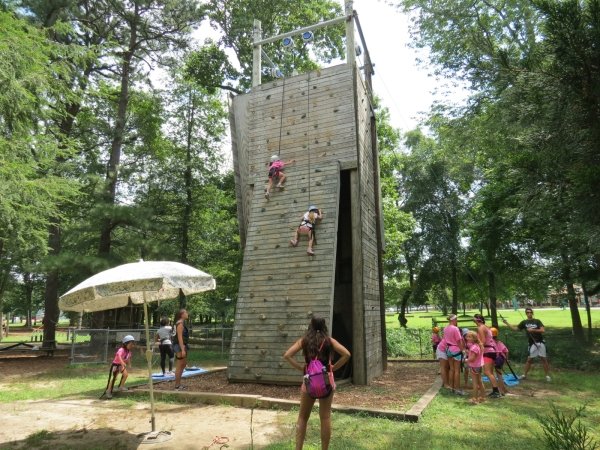
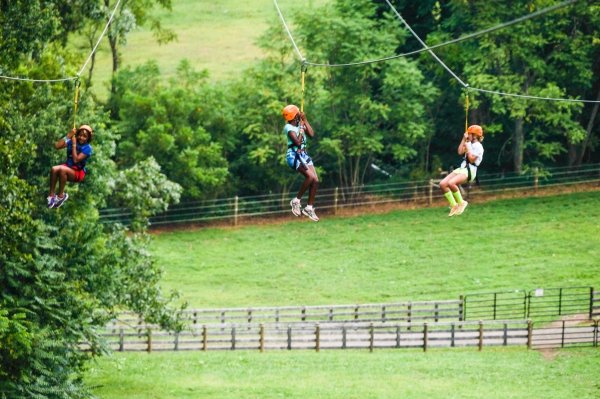
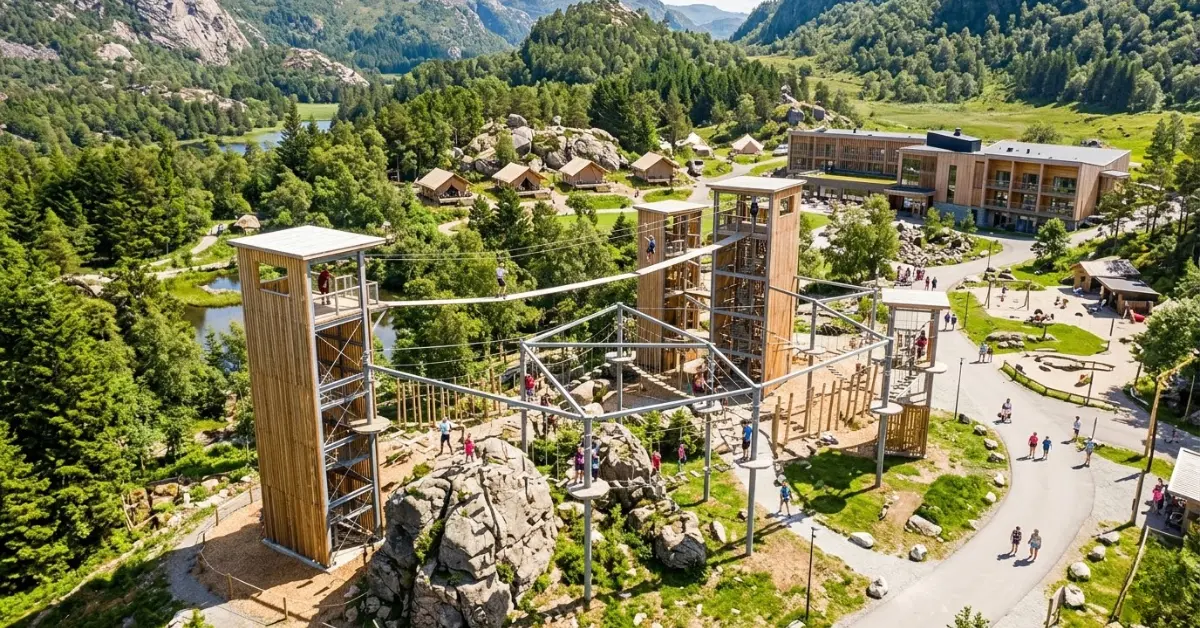
Designed to capture county-wide weekend tourism, the category B model balances strong visual impact with manageable infrastructure demands. This mid-sized approach occupies roughly 3,445 to 6,120 square meters and centers around standard octagon or grid pole structures alongside a dual zipline.
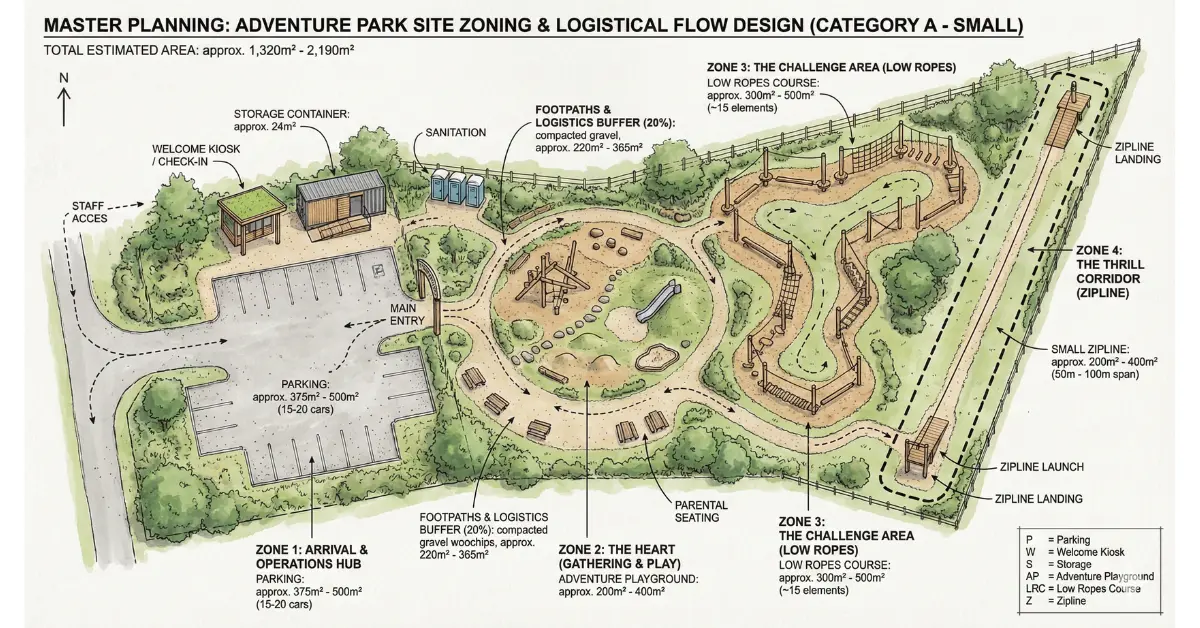
Achieving the target throughput of 175 visitors per day heavily relies on integrating food and beverage kiosks to drive secondary spending and extend dwell times. Adequate parking for 30 to 50 cars is mandatory to support this increased volume safely.
Explore our consultancy services →The international leisure destination
Strategic scaling
Successfully developing an outdoor recreation facility requires strict adherence to proven adventure park business models. By carefully matching your core attractions to the appropriate spatial requirements and visitor throughput projections, you ensure a highly profitable operation. Strategic scaling transforms any raw parcel of land into a thriving, long-term entertainment asset.
Frequently asked questions
Related services and solutions