


• 6.jpg
  • 4.jpg
  • 1.jpg
  • 8.jpg
  • 5.jpg
  • 2.jpg
  • 3.jpg
  • 7.jpg
Mitigate the risk of Zip Line Collisions with expert strategies. Explore effective safety measures and braking systems.
◆ Zipline Operations · Safety Guide

Understanding and Preventing Zip Line Collisions

Zip lines offer an adrenaline-pumping experience, but the potential for collisions poses a significant safety concern. Adventure parks must implement stringent protocols to prevent these incidents, ensuring a secure and enjoyable experience for all participants. Effective collision prevention involves careful planning, robust equipment, and well-trained staff.

TL;DR

Key Takeaways

Zip line collisions are preventable through precise spacing, monitored launch intervals, and strict timing controls.
Reliable, automatic braking systems eliminate the risk of human error at the landing platform.
Continuous staff training and clear participant guidelines form the foundation of an operationally safe environment.
Operations

The Importance of Effective Spacing and Timing

Zip line collisions can result from various factors, including speed variations, insufficient spacing, and equipment malfunctions. Recognizing these potential hazards is the first step in prevention. Parks must comprehensively assess the layout of their zip lines, considering factors like terrain, wind conditions, and overall participant volume. A thorough risk assessment identifies areas where collisions are more likely to occur, allowing for targeted safety measures.

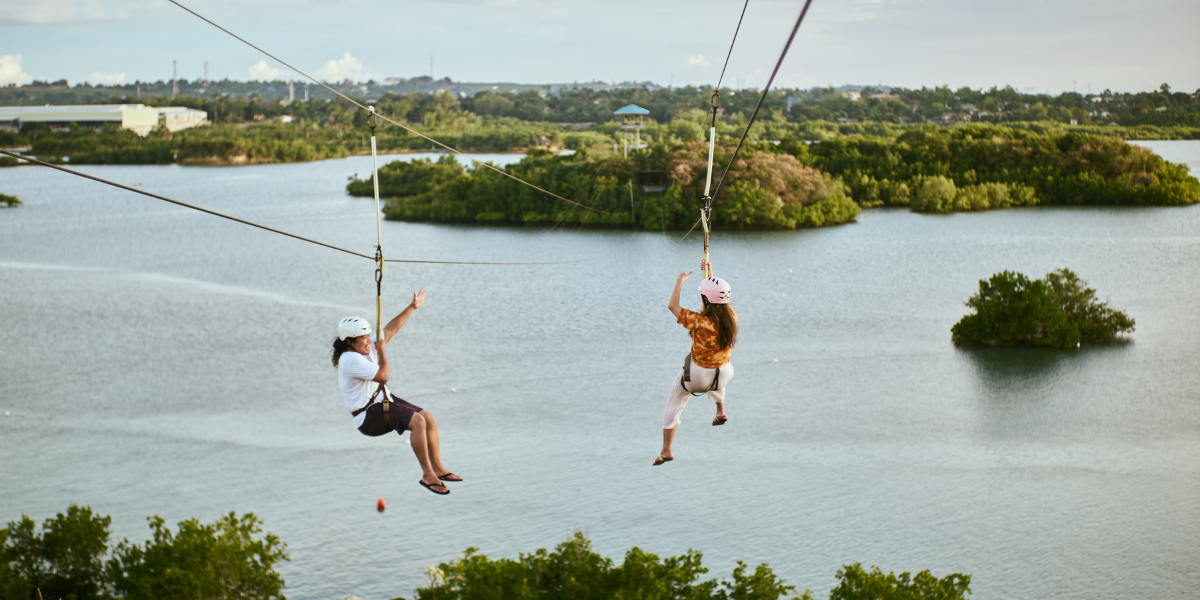
Proper spacing between participants is crucial. This involves careful monitoring of launch intervals and ensuring that participants maintain a safe distance throughout the course. Implementing a strict timing system helps staff regulate launch intervals, preventing participants from bunching together. Additionally, clear radio or visual communication between staff at different points along the course is essential for maintaining this safe spacing.

Hardware Solutions

Reliable Braking Systems and Speed Control

Effective safety and belay systems are vital for preventing collisions at the landing platform. These systems must be regularly inspected and maintained to ensure reliable performance. Automatic braking systems provide an extra layer of safety, reducing the risk of human error during manual stops. Furthermore, structural speed control measures—such as adjusting cable tension or using dedicated speed-regulating trolleys—help prevent participants from approaching the landing platform at excessive speeds.
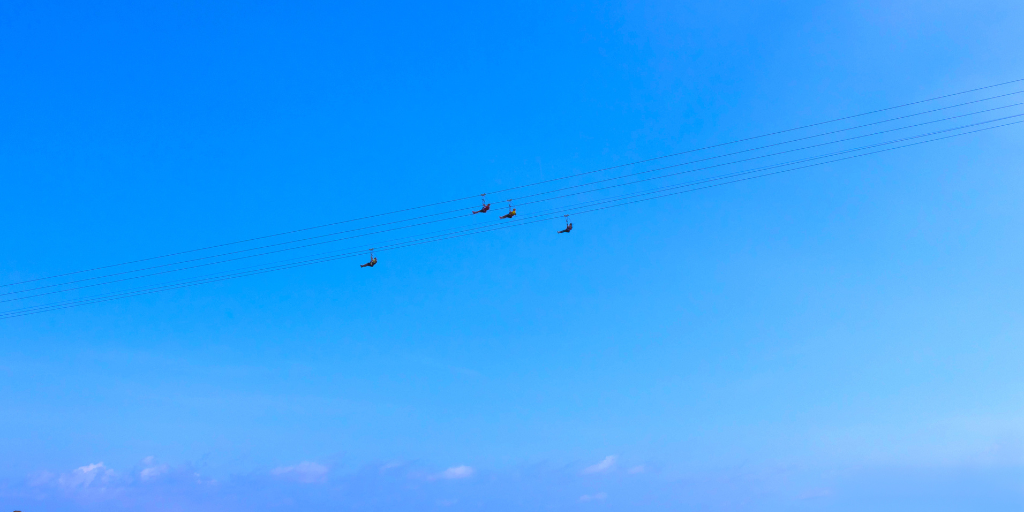
Strengthen your Zip Line Collision prevention. Ensure safe landings and patron satisfaction with robust safety practices.

Robust braking systems are the primary defence against landing platform collisions.

Human Factors

Comprehensive Staff Training and Vigilance

Well-trained staff play an undeniable role in preventing zip line collisions. Formal training must cover specific collision prevention techniques, emergency procedures, and effective communication protocols. Staff must remain vigilant in monitoring participant progress and be ready to intervene immediately if necessary. Regular refresher training ensures that staff remain proficient in handling potential collision scenarios. Effective, standardized communication between all staff members across the course is non-negotiable.

Guest Management

Implementing Clear Participant Guidelines

Clear guidelines and comprehensive safety briefings for participants are essential. These briefings should cover proper body positioning, braking techniques (if applicable), and awareness of other participants on the course. Providing visual aids and live demonstrations helps participants thoroughly understand and adhere to safety protocols. Strictly enforcing weight and height restrictions also fundamentally contributes to overall park safety by ensuring equipment functions within its designed operational window.
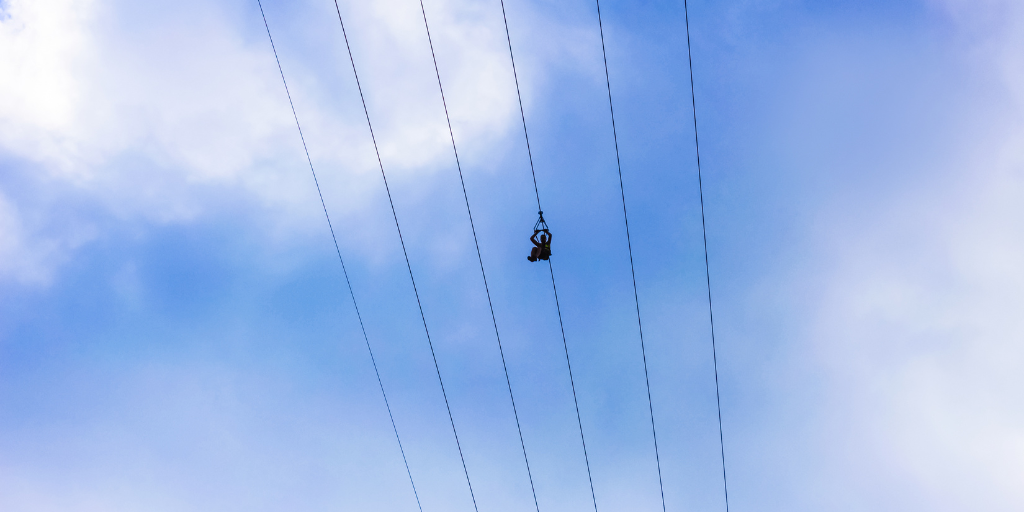
Enhance Zip Line safety with collision prevention techniques. Learn how proper spacing and training protect your guests.

Participant spacing and rigorous safety briefings protect guests from operational hazards.

Summary

Conclusion

Preventing zip line collisions requires a proactive and comprehensive approach. By understanding the risks, implementing effective spacing and timing controls, ensuring highly reliable braking systems, providing thorough staff training, and establishing clear participant guidelines, adventure parks can significantly reduce the potential for collisions, ensuring a safe and thrilling experience for everyone.

Knowledge Base

Frequently Asked Questions

What are the main causes of zip line collisions?

Causes generally include speed variations between riders of different weights, insufficient spacing during launch, and unexpected equipment malfunctions. Recognizing these factors allows operators to conduct thorough risk assessments and target high-risk areas on the course.

How can adventure parks ensure proper spacing between zip line participants?

Parks can ensure proper spacing by implementing strict timing systems, carefully monitoring launch intervals, and maintaining clear radio or visual communication between staff stationed at different platforms throughout the course.

What role do braking systems play in preventing zip line collisions?

Reliable braking systems are the primary defence against landing platform collisions. Automatic braking systems significantly reduce the risk of human error, while cable tension adjustments and specialized trolleys help control approach speeds safely.

What key elements should zip line staff training cover for collision prevention?

Training must include specific collision prevention techniques, emergency intervention procedures, and standardized communication protocols. Regular refresher courses are also critical to ensure staff remain vigilant and proficient in these protocols.

How can participant guidelines contribute to zip line collision prevention?

Clear guidelines and mandatory safety briefings help participants understand proper body positioning and braking techniques. Strictly enforcing weight and height restrictions also guarantees the equipment operates within its safe design limits.

EN 15567 Compliant Design ERCA Certified Training Advanced Braking Systems

Ready to upgrade your park's safety?

Our team can audit your existing hardware, install advanced braking systems, or deliver comprehensive staff training to ensure your zip lines operate flawlessly.

Related reading

More on zipline technology

Product Ziplines & Zipwires

Cable grades, span configurations and throughput planning for commercial zipline installations.

Product Bi-Directional Zipline Trolleys

Return-trip zipline technology that eliminates walk-back queues and increases hourly capacity.

Product ZipCoaster — Rollercoaster Zipline

A seated, track-guided zipline engineered for resort-scale throughput and sustained guest excitement.

Product category Thrill Adventures — Full Range

ZipCoaster, free-fall devices, adventure towers and the complete Skywalker thrill attraction lineup.

Product Zipline Brake Systems

Passive and active braking options matched to terrain profile, cable length and rider weight range.

Service Zipline Design & Engineering

What an engineered zipline specification covers — and why site-specific design protects your permit and insurance position.

Shop Order: Zipline Braking Systems

Certified zipline brakes for new installations and replacement orders.

Shop Order: Zipline Trolleys

Compatible trolley sets for standard and bi-directional zipline configurations.

Shop Order: Zipline Harnesses

EN 15567-compliant harness range for guest-facing zipline operations.

Turnkey planning Build Your Park

Planning a full destination with multiple zipline attractions? The Skywalker turnkey process starts with a fixed-price feasibility study.