

• 1.jpg
  • 2.jpg
  • 3.jpg
  • 4.jpg
  • 5.jpg
  • 6.jpg
  • 7.jpg
  • 042A8449-LowRes.jpg
  • inclusive-climbing.jpg
  • JULY-24-071.jpg
  • JULY-24-079.jpg
  • RVR_zipline-06.jpg
โ—† Adventure business ยท Explained

What is adventure tourism? Definition, types and examples

Adventure tourism is not only about base jumps and shark dives. Most adventure travellers hike, cycle, climb or zip line, and they look for nature and local culture along the way. This guide explains what counts as adventure tourism, the difference between soft and hard adventure, and what it means for parks and operators.

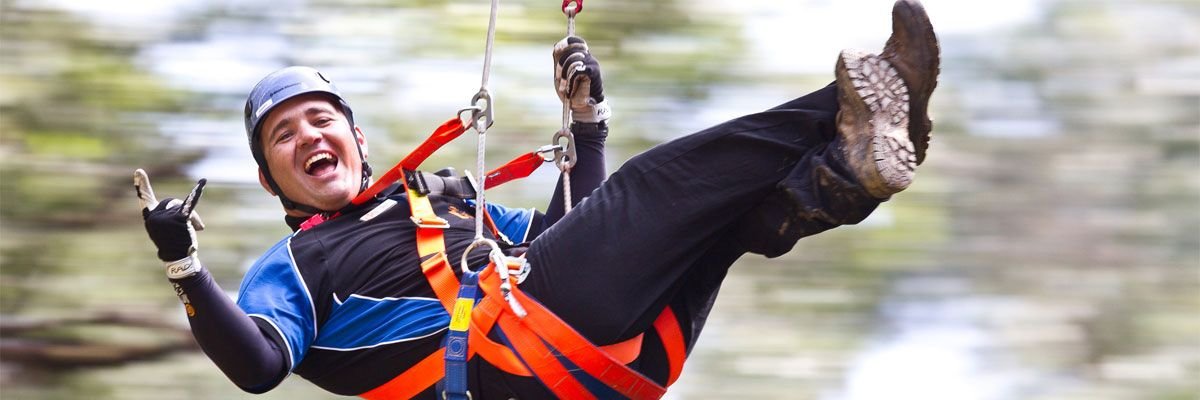
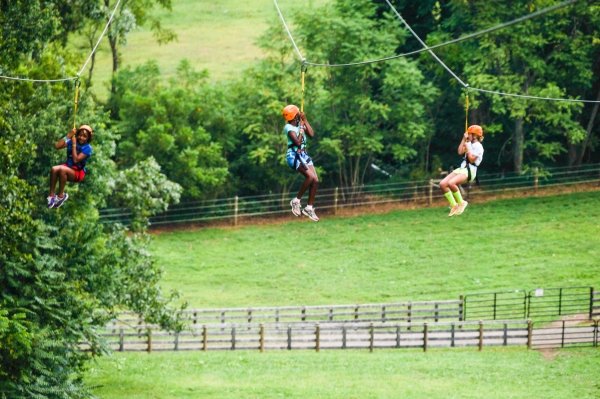
Rider on a zip line above a forest, a popular soft adventure activity
Short answerThe Adventure Travel Trade Association (ATTA) defines adventure tourism as a trip that includes at least two of three elements: physical activity, the natural environment and cultural immersion. It covers soft adventure, such as hiking or zip lining, and hard adventure, such as mountaineering or caving.
Adventure tourismSoft adventureHard adventureAdventure parks
Definition

The three elements of adventure tourism

A trip counts as adventure tourism when it combines at least two of these elements. Many adventure travellers look for all three.

๐Ÿฅพ

Physical activity

Hiking, cycling, climbing, paddling or zip lining. The effort ranges from light to demanding.

๐ŸŒฒ

Natural environment

Forests, mountains, rivers and coastlines. Being in nature is often the main reason to go.

๐Ÿค

Cultural immersion

Meeting local people, food and traditions, and learning how a place lives.

Soft and hard adventure

Soft adventureHard adventure
Risk and skillLow risk, little or no experience neededHigher risk, training and experience required
ExamplesHiking, zip lining, canopy tours, rafting on calm water, ropes courses, indoor climbingMountaineering, caving, backcountry skiing, whitewater kayaking
Who it suitsFamilies, groups, first-timersExperienced, well-equipped travellers

Adventure is not about taking risks. In an unfamiliar place it matters even more to know and respect your limits.

Examples

Popular adventure tourism activities

Most adventure tourism is soft adventure: active, outdoors and open to beginners. These are the activities travellers book most often.

๐Ÿฅพ

Hiking and backpacking

Day hikes suit almost anyone. Multi-day backpacking needs the right gear and survival skills, or a guide.

๐Ÿช‚

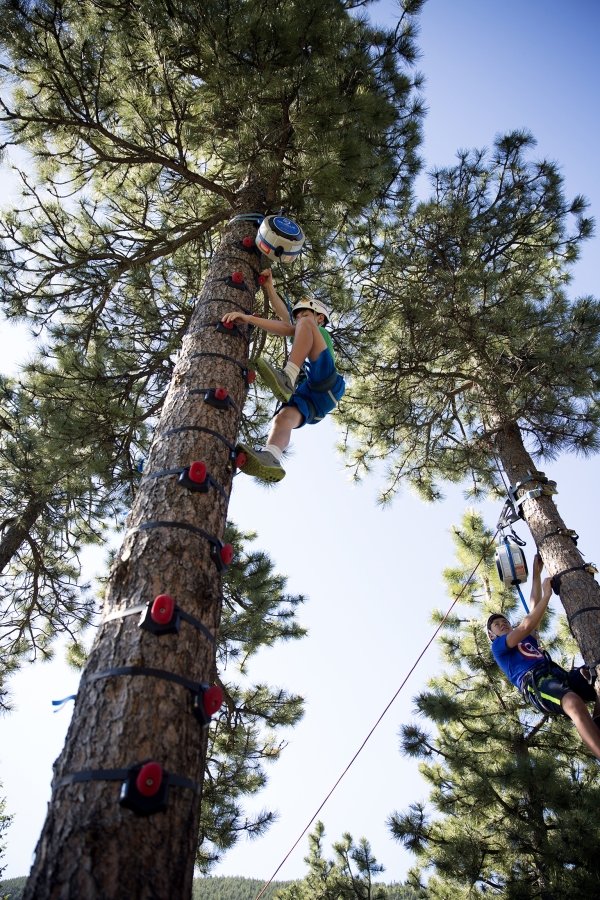
Zip lining and canopy tours

A quick way to see a landscape from a new angle. Short lines suit families; long lines add speed and height.

๐Ÿง—

Climbing

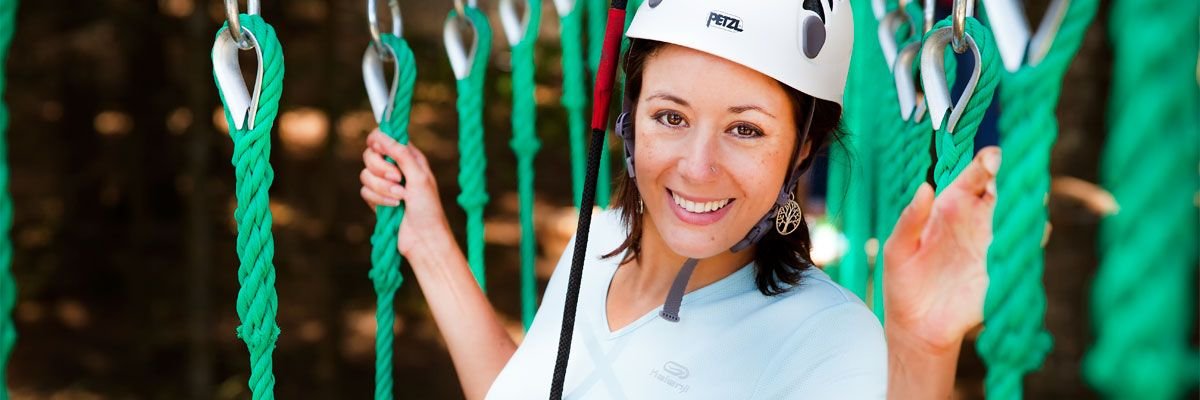
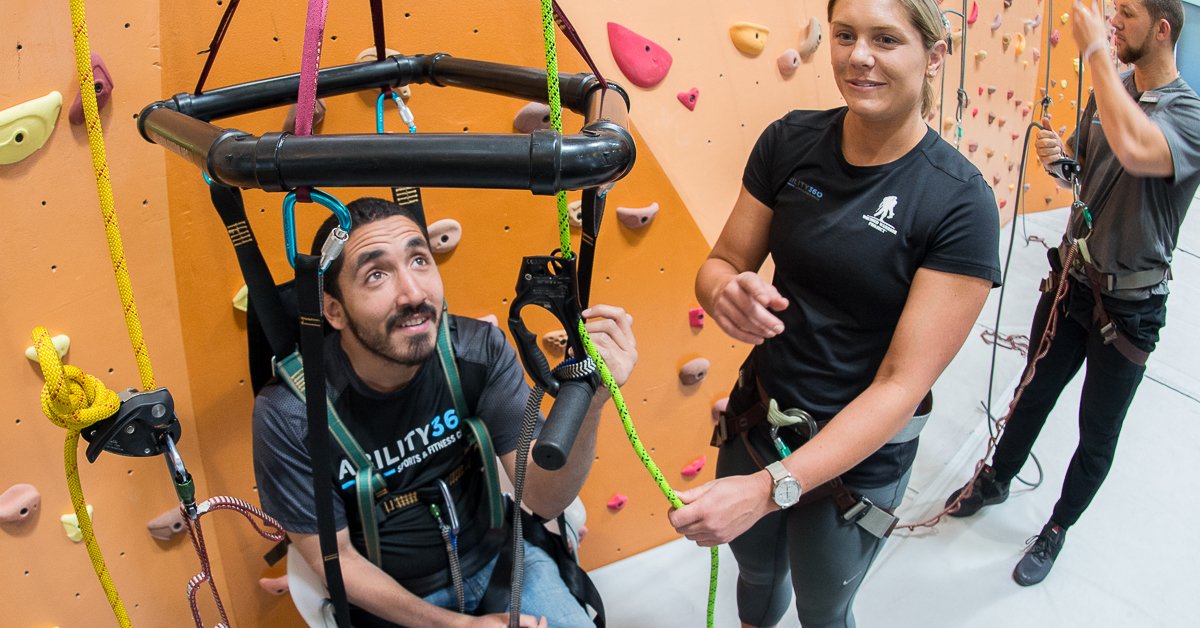
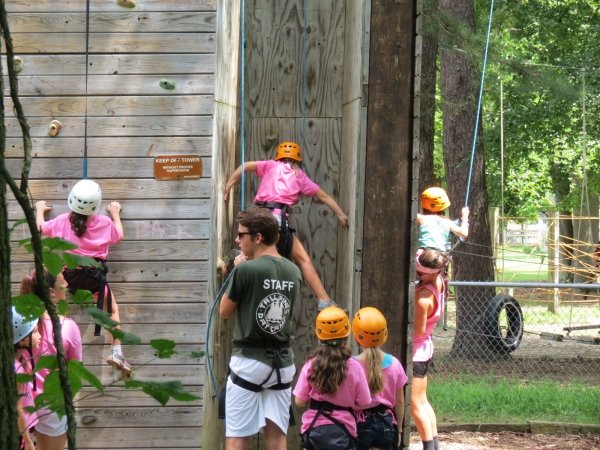
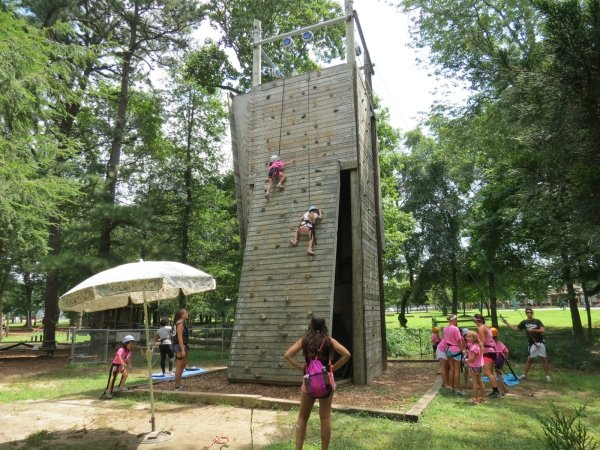
Outdoors with a qualified guide, or indoors at a climbing gym. Auto belays let beginners climb without a partner.

โฌ‡๏ธ

Free fall

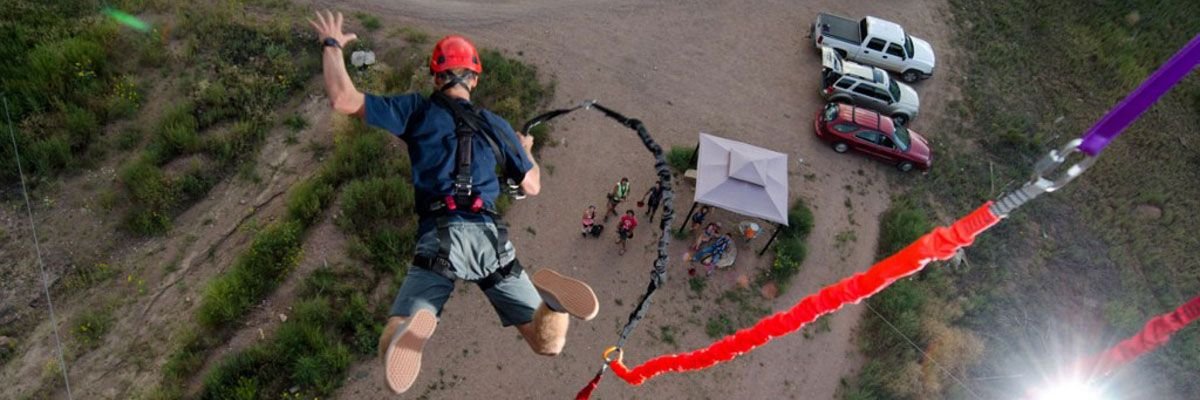
Bungee and skydiving for the brave; free fall devices in adventure parks give the feeling with far less risk.

๐Ÿšฃ

Rafting

Higher water early in the season means bigger rapids; later in the season the river is calmer.

๐Ÿšต

Mountain biking and winter sports

Lift-served bike trails and ski resorts turn a holiday into an active trip. Backcountry skiing needs avalanche training.

For operators

What adventure tourism means for parks and resorts

Many travellers want adventure close to where they stay. Adventure parks, ziplines and climbing walls bring soft adventure to resorts, family entertainment centres and city parks.

What guests look for

  • Activities that beginners and families can do on the same day
  • Nature, views and a story that fits the place
  • A safe experience, run by trained staff

What makes it work for the operator

  • Throughput: enough guests per hour at peak times
  • Design to EN 15567 and an annual main inspection
  • Attractions that work across seasons

Read how layout and throughput drive results in logistics and throughput in adventure parks, or see the full route from idea to opening in Build Your Park.

Frequently asked questions

What is the definition of adventure tourism?

According to the Adventure Travel Trade Association, adventure tourism is a trip that includes at least two of three elements: physical activity, the natural environment and cultural immersion.

What is the difference between soft and hard adventure?

Soft adventure has low risk and needs little experience, such as hiking or zip lining. Hard adventure carries more risk and needs training, such as mountaineering or caving.

Is adventure tourism dangerous?

Most adventure tourism is soft adventure and low risk. Choose operators with trained staff and well-maintained equipment, and stay within your limits.

What are examples of adventure tourism activities?

Hiking, backpacking, zip lining, climbing, free fall, rafting, mountain biking and skiing are among the most popular.

Read more
โœ“ Adventure park builder since 2005โœ“ Designed to EN 15567โœ“ Annual main inspection and lifecycle supportโœ“ Offices in Ede, Amsterdam, Dubai and Riyadh

Want to bring adventure to your site?

Tell us about your location and your guests. We advise on the right mix of attractions before you commit to design or construction.