





Ropes course maintenance and safety inspections
Mastering ropes course maintenance is the foundation of a safe, profitable, and highly efficient adventure operation. By implementing rigorous daily and quarterly checks, operators can dramatically extend the lifespan of their costly infrastructure. Keep your facility compliant and your visitors secure by following these standardized inspection protocols.
Key takeaways
Daily pre-use visual inspections
A rigorous morning routine is your primary safeguard against equipment failure. Staff training and education is critical to ensure operators can identify anomalies before the first guest arrives.
Executing carabiner gate checks
Ensure that every locking mechanism snaps shut automatically and smoothly. Carabiner gate checks must confirm that springs are free of dirt and function without hesitation. Remove any sluggish hardware from your operational inventory immediately.
Evaluating course obstacles
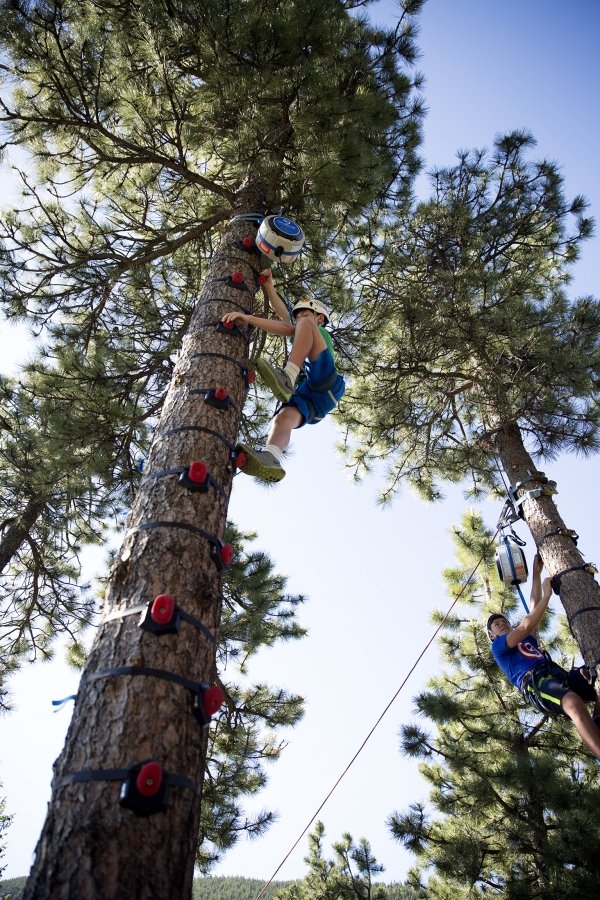
Walk the entire route to look for loose bolts, splintered wood, or unstable stepping elements. Evaluating course obstacles daily ensures weather impacts haven't compromised the structural integrity of your high-wire forest park overnight. A quick physical shake of high-touch points verifies stability.
Quarterly hardware and wire rope checks
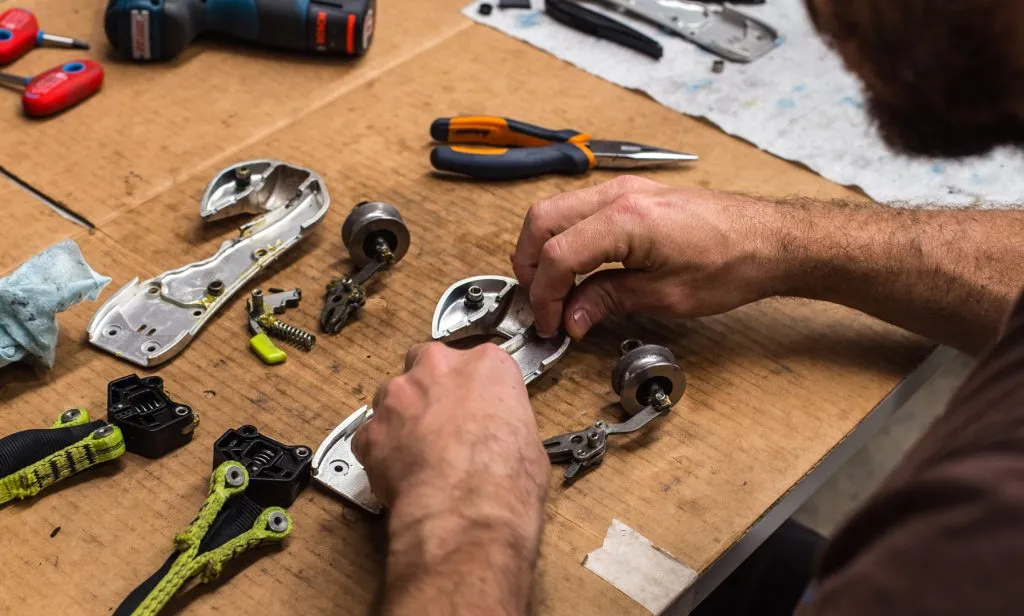
Streamline your safety protocols with structured ropes course maintenance.
Deep-dive assessments every three months catch the hidden friction points that daily walk-throughs miss. This is the optimal time for structural torque checks and tension adjustments.
Identifying wire rope fraying
Run a specialized cloth over the cables to snag on broken strands you might not see. Wire rope fraying requires immediate attention, as a single broken wire drastically reduces the cable's load capacity. Always consult lifecycle management guidelines to determine if damage warrants full replacement.
Executing structural torque checks
Tree growth and temperature fluctuations cause hardware to loosen over time. Structural torque checks involve using a calibrated wrench to tighten all vital connection points to specified tolerances. This is a critical task in zipline engineering and servicing to prevent anchor failures.
Annual professional inspections and gear lifecycle
Third-party audits validate your internal safety culture and ensure legal compliance. Preparation should be an ongoing, year-round effort rather than a frantic scramble.
Organizing maintenance logs
Inspectors need to see a clear paper trail proving your diligence. Organizing maintenance logs demonstrates that daily and quarterly checks are consistently performed and documented. A flawless hardware service logbook drastically speeds up the entire audit process.
Anticipating standard updates
Industry safety standards evolve, and your facility must adapt to remain certified. Anticipating updates means upgrading your braking systems and connection hardware before the inspector arrives. Proactive upgrades save you from failing your official safety inspection.
Lifespan of soft gear: when to retire harnesses
Soft goods have a finite operational life regardless of their visual appearance. Knowing exactly when to cut up and discard old PPE protects your participants and your business lifecycle.
- Tracking UV degradation: Prolonged sun exposure breaks down nylon fibers. Look for faded colors and stiff, brittle webbing. Retire gear showing sun damage immediately.
- Enforcing manufacturer guidelines: Most soft goods have a strict maximum lifespan of five to ten years. Trash gear once it hits its expiration date, even if it looks brand new. Keep a digital inventory system to track the exact age of every harness.
Frequently asked questions
What is the daily checklist for ropes course maintenance?
A daily routine for ropes course maintenance includes inspecting carabiner gates, checking platforms for stability, and reviewing lanyards. Operators must look for frayed stitching or loose bolts before allowing guests onto the structure. This pre-use walk-through is your primary defense against accidents.
How often should zipline cables be inspected?
Cables require a visual inspection every morning and a thorough tactile assessment quarterly. You must check for wire rope fraying and proper tension to ensure safe braking speeds. Annual third-party audits will also verify the structural integrity of the entire line.
When should ropes course harnesses be retired?
Harnesses must be discarded when they reach the expiration date mandated by manufacturer guidelines, typically five to ten years. You must also retire them early if you spot severe UV degradation, cuts, or chemical damage. Never compromise by keeping expired personal protective equipment in your active inventory.
What happens during an annual professional inspection?
A certified auditor reviews your entire operation to ensure compliance with strict industry safety standards. They will conduct structural torque checks, evaluate your hardware, and heavily scrutinize your daily ropes course maintenance logs. Failing to provide accurate paperwork will result in an immediate audit failure.
How do you check for wire rope fraying?
Inspectors slowly run a rag or cloth along the cable to snag on microscopic broken metal strands. If the cloth catches, you must immediately halt operations and measure the extent of the wire damage. Severe fraying always dictates a complete cable replacement.
Related products and services
Ready to schedule your annual inspection?
Our certified lifecycle management team provides full compliance audits, structural torque assessments, and hardware replacement strategies to keep your park operational.
Explore the adventure business
The full Skywalker process: from fixed-price feasibility study through design, engineering and opening day.
What a Skywalker feasibility study covers — and how the fee credits back into construction cost.
How Skywalker translates a site concept into engineered construction drawings and permit-ready specifications.
Turning a site brief and investor vision into a coherent, themed guest experience with commercial logic.
Staffing structures, hiring frameworks and operating model design for adventure parks at scale.
An aerial cable bicycle that adds a low-intensity, family-accessible revenue stream to any adventure destination.
Multi-level suspended net structures — high dwell time, low staffing cost, strong ROI for family parks.
A vertical multi-discipline anchor attraction that drives park-wide footfall and upsell across adjacent attractions.
Engineered zipline specifications — why site-specific design protects your permit, insurance and long-term operating margin.
Browse the full Skywalker product range to plan your park's attraction mix and revenue model.