





• 1.jpg
  • 2.jpg
  • 3.jpg
  • 4.jpg
  • 5.jpg
  • 6.jpg
  • 7.jpg
  • 042A8449-LowRes.jpg
  • inclusive-climbing.jpg
  • JULY-24-071.jpg
  • JULY-24-079.jpg
  • RVR_zipline-06.jpg
Learn how zipline maintenance experts use magnetic anomaly detection to monitor wire break thresholds.
◆ Zipline Maintenance · Operational Safety

Maximizing Safety Through Proactive Zipline Maintenance Protocols

Effective zipline maintenance is the operational backbone of any safe and profitable aerial adventure park. Implementing advanced diagnostic tools like magnetic rope testing ensures you detect invisible cable fatigue before it becomes a critical hazard. Operators who prioritize rigorous zipline cable inspection actively protect both their guests and their long-term financial investments.

Executive Summary

Key takeaways

Routine visual checks are insufficient to detect internal cable friction or fatigue.
Magnetic-Inductive Testing (NDT) accurately identifies hidden core fractures and corrosion.
Consistent logbook traceability prevents unexpected downtime and drastically mitigates operational liability.
Replacing cables based strictly on verifiable wire break thresholds optimizes lifecycle budgets.
Standard Upkeep

Understanding modern inspection standards

Routine visual checks are no longer sufficient to guarantee structural integrity across high-tension aerial lines. Building a comprehensive maintenance routine requires establishing strict logbook traceability for every single hardware component.
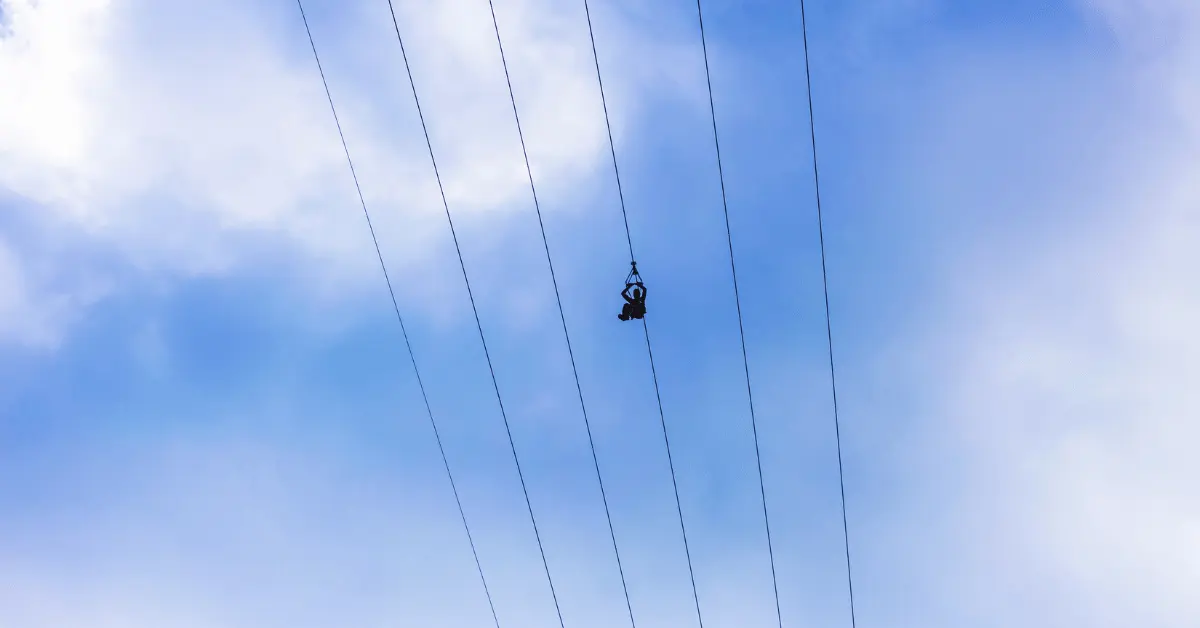
Optimize your zipline maintenance schedule with advanced zipline cable inspection strategies and strict logbook traceability.

Establishing baseline parameters

Evaluating the baseline diameter and tension of a newly installed cable creates a mandatory benchmark for all future assessments. Documenting these initial metrics during the zipline design phase ensures that subsequent evaluations can accurately measure wire stretching over time.

Comparing live data against this baseline allows operators to make highly accurate lifecycle predictions. Regular documentation empowers your operational team to track minor changes, predict major hardware replacements, and drastically reduce unexpected downtime.

Diagnostic Technology

Leveraging advanced diagnostics for cable longevity

Modern technology allows operators to peer inside solid steel cables without compromising their structural strength, leading to smarter investments and safer rides.

Advancing safety with magnetic testing

Utilizing Magnetic-Inductive Testing reveals internal corrosion and fractured core wires that hide beneath the outer steel strands. This highly specialized equipment generates a magnetic field around the cable to pinpoint exact areas of mechanical degradation. Scheduling this specific testing annually serves as the ultimate insurance policy for your highest-velocity attractions.

Identifying and resolving cable fatigue

Repetitive stress from fast-moving trolleys causes microscopic cable fatigue that severely weakens the internal steel structure. Advanced diagnostic scanners detect these hidden stress fractures so maintenance teams can address the root cause of the friction. Relieving this isolated stress through proper re-tensioning instantly extends the usable life of the entire aerial runway.

Operational Benefit Investing in Non-Destructive Testing (NDT) translates to massive operational savings by eliminating premature and unnecessary cable replacements. You maximize the safe functional lifespan of expensive hardware and gain verifiable data for external safety audits.
Regulatory Compliance

Integrating international safety frameworks

Aligning with rigorous ISO standards

Compliance with mandatory ISO standards ensures your adventure facility operates at the highest possible global safety benchmark. These specific regulations dictate the exact wire break thresholds required to mandate an immediate cable retirement. Passing an independent audit based on these strict guidelines drastically lowers your annual insurance premiums.

Logbook traceability

Flawless logbook traceability proves to regulators that you perform consistent and thorough daily, weekly, and annual safety checks. Every single mechanical adjustment, including minor re-tensioning efforts, must be meticulously recorded and signed by a certified technician. This unbroken chain of documentation acts as your primary defense in the event of an operational incident.

Scheduled re-tensioning procedures

Temperature fluctuations and heavy usage naturally cause thick steel cables to stretch and lose their optimal kinetic tension. Executing a calculated re-tensioning procedure restores the necessary kinetic balance to ensure smooth and safe rider deceleration. This critical adjustment prevents excessive sagging that could dangerously alter the planned arrival speed of your guests.

Securing the future of your aerial attraction requires shifting from reactive repairs to predictive, data-driven zipline maintenance. Committing to regular tension monitoring and internal cable scans ensures your business remains thrilling, profitable, and entirely secure.
Common Queries

Frequently asked questions

How often should zipline cables be replaced?

Cables should be replaced when they reach specific wire break thresholds rather than relying strictly on a fixed chronological timeline. A rigorous maintenance schedule will track cumulative cable fatigue and internal wear over thousands of continuous cycles. Expert evaluators will use this precise diagnostic data to dictate the exact moment a line becomes unfit for service.

How do you inspect a zipline cable?

Technicians perform a combination of daily tactile assessments and annual Magnetic-Inductive Testing to evaluate the entire length of the line. The process involves checking anchor points, monitoring for rust, and confirming proper re-tensioning parameters are met. Utilizing advanced inspection tools ensures internal core fractures are identified long before they compromise the outer strands.

What is Non-Destructive Testing for ziplines?

Non-Destructive Testing (NDT) is a diagnostic method used to evaluate the structural integrity of steel ropes without causing any physical damage. Operators use magnetic field sensors to detect an invisible magnetic anomaly like internal corrosion or snapped core wires. This process is highly recommended by safety standards to verify the internal health of heavy-duty recreational setups.

How does cable fatigue affect zipline safety?

Continuous friction and heavy dynamic loads inevitably cause cable fatigue, which gradually degrades the breaking strength of the steel. If ignored, this microscopic wear can lead to sudden hardware failure during high-speed guest descents. Consistent NDT evaluations track this fatigue accurately to guarantee the structural limits are never exceeded.

What are the wire break thresholds for replacement?

The exact wire break thresholds are defined by manufacturing guidelines and international standards governing wire rope safety. Once an inspector counts a specific number of broken wires within a designated reference length, the cable must be retired immediately. Meticulous maintenance and logbook traceability ensure these critical wear limits are actively monitored and recorded.

EN 15567 Compliant ISO Safety Standards Certified ERCA Inspections

Ready to optimize your zipline operations?

Partner with our certified technicians to implement proactive maintenance protocols, schedule advanced NDT scans, and secure your long-term investment.

Related reading

More on zipline technology

Product Ziplines & Zipwires

Cable grades, span configurations and throughput planning for commercial zipline installations.

Product Bi-Directional Zipline Trolleys

Return-trip zipline technology that eliminates walk-back queues and increases hourly capacity.

Product ZipCoaster — Rollercoaster Zipline

A seated, track-guided zipline engineered for resort-scale throughput and sustained guest excitement.

Product category Thrill Adventures — Full Range

ZipCoaster, free-fall devices, adventure towers and the complete Skywalker thrill attraction lineup.

Product Zipline Brake Systems

Passive and active braking options matched to terrain profile, cable length and rider weight range.

Service Zipline Design & Engineering

What an engineered zipline specification covers — and why site-specific design protects your permit and insurance position.

Shop Order: Zipline Braking Systems

Certified zipline brakes for new installations and replacement orders.

Shop Order: Zipline Trolleys

Compatible trolley sets for standard and bi-directional zipline configurations.

Shop Order: Zipline Harnesses

EN 15567-compliant harness range for guest-facing zipline operations.

Turnkey planning Build Your Park

Planning a full destination with multiple zipline attractions? The Skywalker turnkey process starts with a fixed-price feasibility study.