


• 1.jpg
  • 2.jpg
  • 3.jpg
  • 4.jpg
  • 5.jpg
  • 6.jpg
  • 7.jpg
  • 042A8449-LowRes.jpg
  • inclusive-climbing.jpg
  • JULY-24-071.jpg
  • JULY-24-079.jpg
  • RVR_zipline-06.jpg
Maximize guest satisfaction and reduce maintenance with modern commercial zipline braking systems. Find the right stopping mechanism here.

Implementing reliable commercial zipline braking systems is the most critical operational decision for any adventure park. Advanced stopping mechanisms not only protect your guests but also drastically improve daily rider throughput. Operators who invest in modern passive braking technology experience fewer bottlenecks and significantly lower maintenance costs.

Understanding modern zipline stopping mechanisms
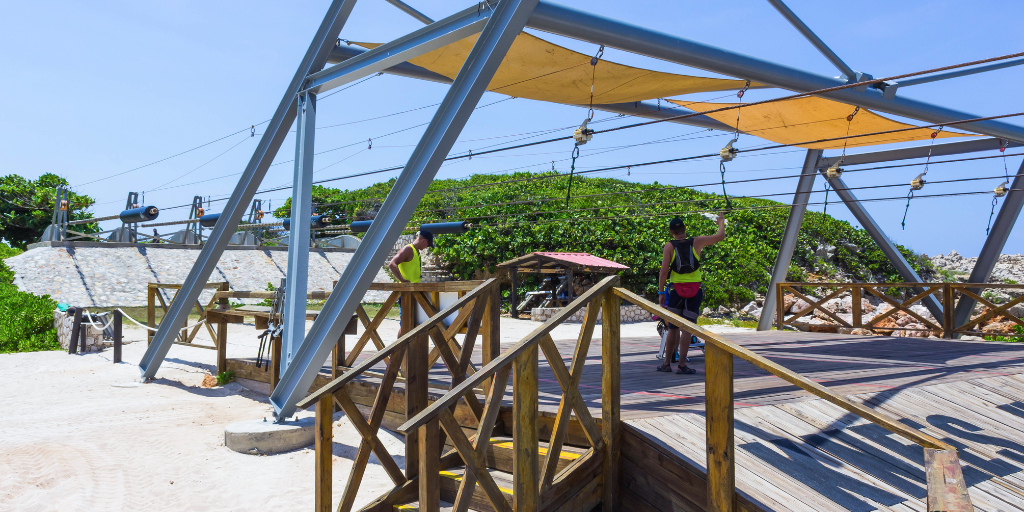
Upgrading your infrastructure requires a solid grasp of how kinetic energy is safely managed at the end of a high-speed line.

How to choose commercial zipline braking systems

Selecting the right setup depends entirely on your line speed, arrival trajectory, and target demographic. You must evaluate the deceleration rate to ensure guests arrive smoothly without experiencing severe whiplash or abrupt stops. Facilities that prioritize passive braking generally see higher customer satisfaction and fewer operational delays in their adventure park operations.

Benefits of magnetic zipline brakes

Utilizing eddy current technology provides a highly consistent braking force regardless of unpredictable weather conditions or varying rider weights. Upgrading to these modern stopping mechanisms offers distinct operational advantages for your commercial zipline setup:

  • Lower maintenance costs due to zero contact friction parts, optimizing your lifecycle management.
  • Higher weather resistance during heavy rain or extreme humidity.
  • Improved rider comfort through a progressive, smooth deceleration.

Maximizing operational efficiency and safety

An efficient arrival zone minimizes guest wait times and keeps your daily schedule running perfectly on time.

Improving rider throughput with passive braking

Active braking requires guests to manually slow themselves down, which introduces unpredictable human error into your daily operations. Implementing a passive system means the brake automatically engages upon arrival, removing the physical burden from the rider. This automation allows your staff to detach guests rapidly and send the next rider without unnecessary delays.

Reducing deceleration rate safely

A harsh stop can cause guest injuries and steadily damage the structural integrity of your receiving tower over time. By combining advanced magnetic trolleys with progressive spring systems, operators create a smooth reduction of kinetic energy. This gentle deceleration ensures compliance with strict safety guidelines while protecting your valuable infrastructure.

Ensure strict compliance and rider safety using top-tier commercial zipline braking systems. Explore our operational efficiency tips today.

Implementing redundant safety protocols

Relying on a single stopping method exposes your commercial business to unnecessary operational risks and severe liability.

Installing emergency arrest devices

An emergency arrest device acts as the ultimate fail-safe if your primary braking system ever malfunctions. You must always position these secondary mechanisms to catch a rider safely before they reach the terminal anchor point. Integrating this backup device is a non-negotiable requirement for high-speed commercial lines looking to maintain flawless safety records.

Managing friction braking limitations

While traditional friction brakes are common, they degrade quickly under heavy daily usage and changing weather conditions. Operators using these older systems must schedule frequent equipment inspections to replace worn components before they completely fail. Transitioning away from pure friction setups significantly reduces daily maintenance headaches and keeps your zipline course open longer.

Securing your adventure park's reputation requires a highly proactive approach to managing arrival velocities and overall rider safety. By upgrading to advanced commercial zipline braking systems, you actively reduce maintenance overhead while providing a consistently smooth experience. Investing in reliable stopping mechanisms ultimately guarantees higher throughput and protects your long-term operational profitability.

Planning a zipline installation? Need expert advice on zipline design?

Get started Today

Frequent asked questions

What is the safest zipline brake?

The safest setup relies on a passive magnetic system backed by a secondary emergency catch mechanism. These commercial zipline braking systems successfully remove human error and provide consistent stopping power for every rider.

How do magnetic zipline brakes work?

These devices utilize an eddy current field to create drag against a metallic component without generating any physical friction. As the rider approaches, the magnetic resistance naturally slows their kinetic energy for a very smooth arrival.

Do you need a backup brake on a zipline?

Yes, industry safety standards strictly dictate the use of an independent secondary brake on commercial high-speed lines. If the primary system fails, the backup ensures the rider stops safely before impacting the terminal structure.

What is an emergency arrest device?

An emergency arrest device is a specialized fail-safe mechanism designed to absorb extreme impact forces in worst-case scenarios. Integrating this device into your commercial zipline braking systems provides absolute peace of mind for both staff and guests.

How does passive braking improve rider throughput?

Passive setups automatically slow the rider, meaning professional guides do not have to wait for guests to brake themselves. This allows your staff, utilizing proper training and education, to process arrivals much faster, safely sending the next participant down the line in rapid succession.