





Commercial Zipline Platform Design
Proper zipline platform design is the critical foundation of any safe and profitable aerial adventure operation. By implementing rigorous structural engineering principles, you protect your guests and extend the lifespan of your physical assets. This comprehensive overview covers the core mechanics necessary to build resilient, high-capacity launch and landing structures.
Essential Platform Requirements
- Structural towers must be engineered to withstand immense static weight and dynamic forces from moving riders.
- Powder-coated steel and AWS-certified welds provide the necessary tensile strength and weather resistance for longevity.
- Heavy-duty guy wires and deadman anchors perfectly neutralize wind shear and lateral cable pull.
- Geotechnical soil testing is mandatory to accurately calculate concrete foundation depth and ensure operational safety.
Building Safe Launch Towers
Understanding the intense forces at play is the first step in constructing reliable adventure park platforms. Designers must meticulously account for both the static weight of the structure and the massive dynamic forces introduced by moving riders to guarantee physical safety. An incredibly sturdy construction guarantees that the launch area will not sway or buckle under extreme tension.
Implementing generous dispatch clearance ensures staff can operate efficiently and safely connect guests to the primary cables before launching.
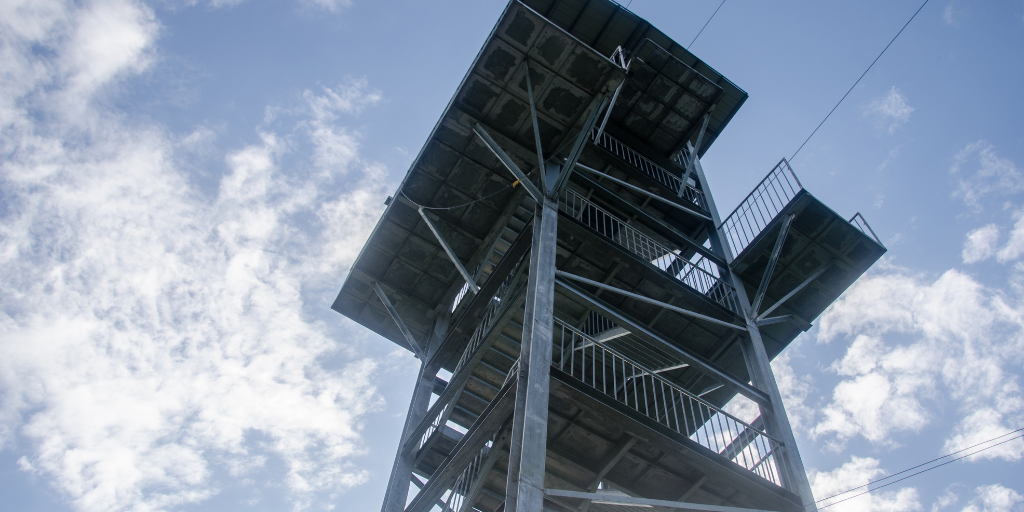
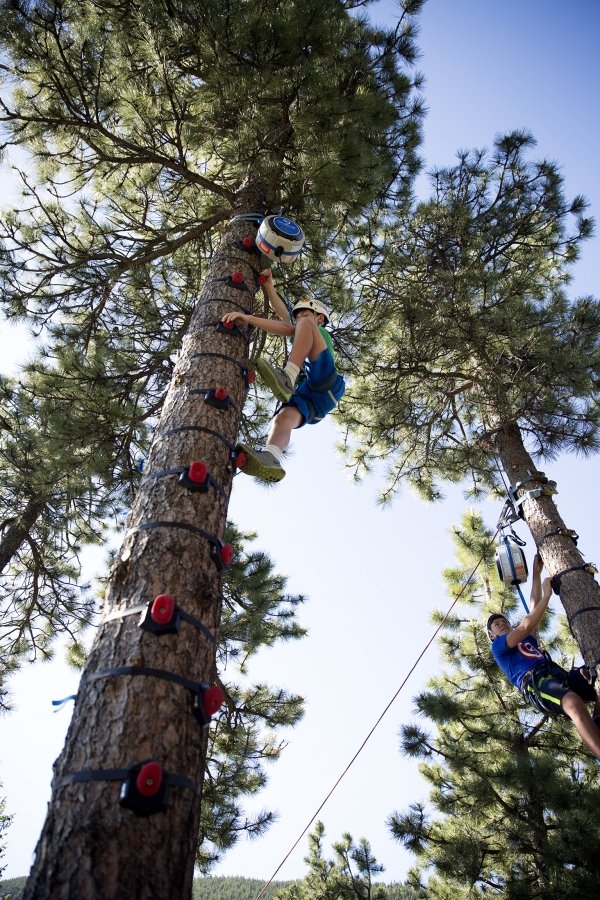
Optimized commercial zipline platforms safely manage high throughput while blending structurally into the environment.
Site Assessment and Anchoring
A towering structure is only as reliable as the deep foundations anchoring it to the earth. Without solid ground support, the entire system becomes compromised. Professional geotechnical engineering is mandatory to accurately determine the exact soil composition and load-bearing capacity of your site before construction begins.
Loose sand requires vastly different and much deeper concrete footings than solid bedrock. Bypassing this crucial soil testing phase severely compromises structural integrity and endangers the operation. Once foundations are set, massive deadman anchors are buried deep beneath the surface to hold the primary riding cables securely in place.
To prevent the tower from leaning forward under immense lateral pull, engineers install heavy-duty guy wires behind the structure. Partnering with certified zipline design & engineering experts perfectly neutralizes dangerous wind shear, keeping the entire platform plumb and securing your capital investment.
Frequently Asked Questions
Related Products and Services