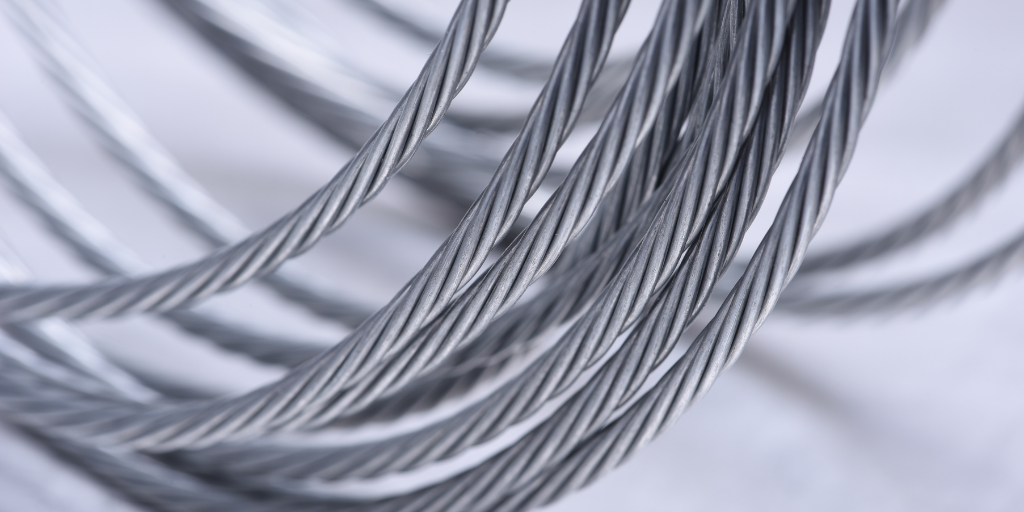


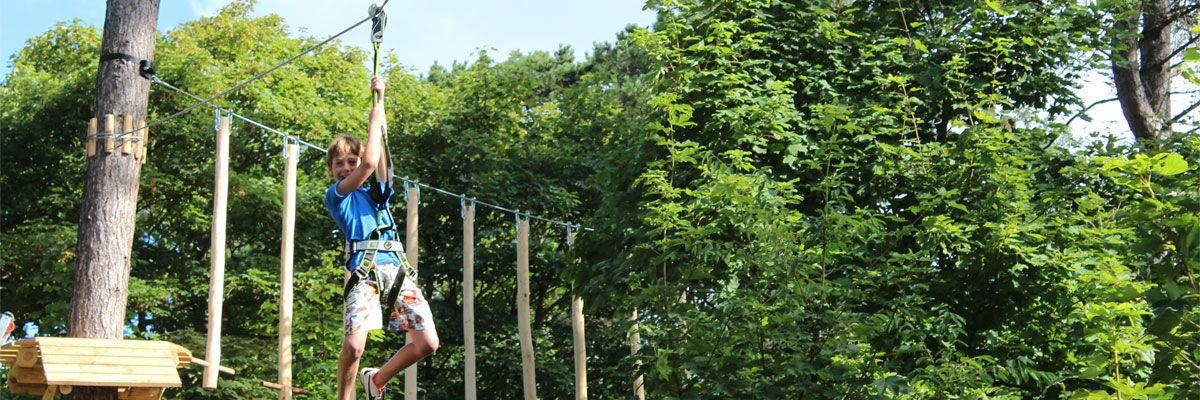

Adventure parks, zip lines, and ropes courses offer exhilarating experiences, but safety is paramount. Imagine soaring through the trees on a zip line, the wind whipping through your hair. Suddenly, a cable snaps. This nightmarish scenario underscores the importance of regular inspections, especially annual ones by a qualified inspector. Just like that trusty car you take on road trips, these high-flying courses need routine maintenance to ensure a smooth and safe ride.
The Importance of Annual Inspections
Time and wear take their toll on ropes course elements. Unchecked, these issues can lead to accidents and injuries. As an operator, ensuring your facility is safe is not just good practice, it's your legal responsibility. Annual inspections are a crucial part of this equation. Think of them as a comprehensive checkup for your adventure course.
What Does an Annual Inspection Entail?
A thorough annual inspection goes beyond a quick glance. Here's a breakdown of what you can expect:
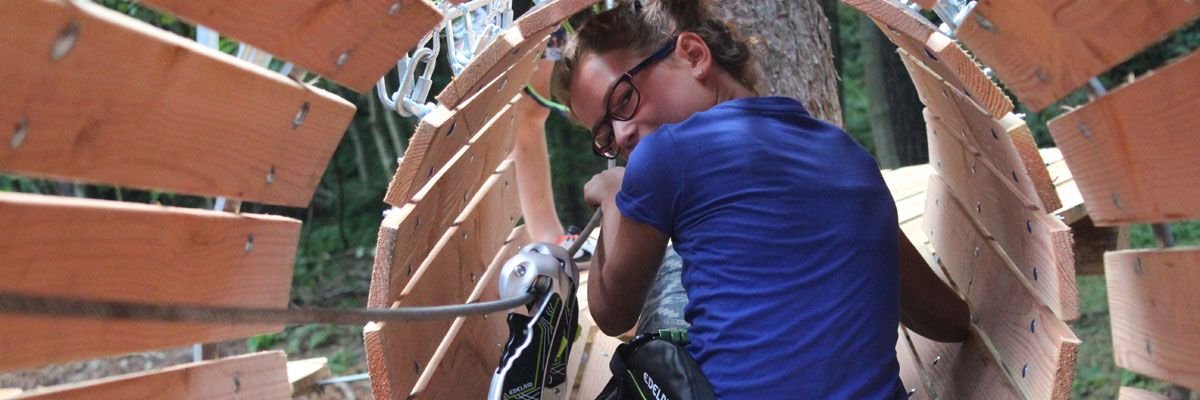
- Visual and Operational Inspections: A trained inspector will meticulously examine every inch of the course, from platforms and cables to fasteners and safety equipment. This includes checking for rust, wear, and any potential hazards.
- Functional Tests: Going beyond visuals, the inspector will conduct functional tests, simulating real-world use on specific elements. This ensures everything operates smoothly and safely.
- Worn Component Assessment: The inspector will identify any components nearing the end of their lifespan and recommend replacements. This proactive approach prevents potential failures down the line.
- Compliance Verification: The inspector will verify that all manufacturer instructions for maintenance have been followed and that the course adheres to relevant safety standards, like EN 15567. For zip lines, this might involve reviewing arboreal assessments to confirm the supporting trees are healthy.
- Detailed Report and Certification: Following the inspection, you'll receive a comprehensive report outlining the inspector's findings, recommendations, and a safety certificate if everything checks out. This documentation is vital for maintaining insurance and demonstrating your commitment to safety.
Additional Inspection Services
Some companies offer additional services beyond the standard annual inspection. These might include:
- Review of Operational Materials: This involves checking participant manuals, signage, and marketing materials for accuracy and risk communication.
- Review of Operating Procedures: A deep dive into your staff training manuals, incident reports, and emergency action plans ensures everyone is on the same page when it comes to safety protocols.
- Demonstration of Operating Procedures: The inspector might observe your staff conducting opening checks, participant briefings, and emergency procedures to identify any areas for improvement.

Beyond Annual Inspections
While annual inspections are crucial, they're just one piece of the safety puzzle. Your responsibilities include:
- Routine Visual Checks: Before each session, your staff should conduct visual checks to identify any immediate hazards caused by vandalism, weather, or wear and tear.
- Operational Inspections: More detailed inspections, typically every 1-3 months, should be conducted by a trained staff member or a qualified inspector. These focus on elements like cable condition and moving parts.
Partnering for Safety
Regular inspections by a qualified professional give you peace of mind and ensure your adventure course provides a thrilling experience for everyone, minus the unnecessary chills. Look for a reputable inspection company with certified inspectors who have experience with various course types, from zip lines to high ropes courses. Don't let time and wear and tear become a safety hazard. Schedule your annual inspection today and keep the thrill safe!
FAQs
1. How often should I have my ropes course inspected?
In addition to routine visual checks and operational inspections, you should have a comprehensive annual inspection by a qualified inspector.
2. Who can conduct the annual inspection?
The inspection should be carried out by a certified inspector or inspection body with experience in adventure course safety standards like EN 15567.
3. What happens if my course doesn't pass the inspection?
The inspector will provide a detailed report outlining any issues and recommendations for corrective actions. You'll need to address these concerns before reopening the course to the public.
4. What are the benefits of annual inspections?
Annual inspections identify potential safety hazards before they can cause accidents. They also ensure your course complies with safety regulations and can help extend the lifespan of your equipment.
5. How much does an annual inspection cost?
The cost of an annual inspection will vary depending on the size and complexity of your course. Contact an inspection company for a quote.
Secure your facility's operational status. Contact our technical team!
Get in touch Today
Additional expert information on the Adventure Business
Interested to read more about the Adventure Business with our expert articles?
- Logistics and throughput in Adventure Parks, key elements in Customer satisfaction
- Integrating Gaming Technology into Adventure Parks
- How to plan your Adventure Park spatial requirements for maximum ROI
- Adventure Park Installation: How to Ensure Your Attraction is Built Right, the First Time
- Design is Your Best Investment Adventure Park Design
- The Benefits of Integrating Urban Adventure Play in Commercial Retail
- Creating Profitable Adventure Parks: Tips and Strategies
- Roller Coaster Zipline: The Thrilling and Profitable Amusement Solution
- Operational efficiency versus asset addiction in high-volume venues
- The Net Maze Attraction: Safe, Scalable Active Play for All Ages
- How to Launch a Zip Line Company
- Ride a bike modified to attach to a zipline cable
- Rope Course Construction: A Comprehensive Guide
- Leisure and Adventure in Retail Real Estate: The Future of Shopping
- The Benefits of Netted Attractions for Operators and Guests