
For a professional adventure park operator, no single task is more critical than a thorough inspection. It is the absolute cornerstone of a safe, compliant, and profitable operation. While guests see the thrill of a high ropes course or the speed of a zipline, it is the operator's responsibility to manage the invisible risks of wear, tear, and environmental impact. A comprehensive inspection program is not just a regulatory hurdle; it is your most powerful tool for protecting your guests, your staff, and your long-term investment.
The "Why": More Than Just a Safety Check
A structured inspection program moves your business from a reactive to a proactive state, providing foundational benefits that go far beyond simply finding a frayed rope.
- Mitigating Liability: First and foremost, regular inspections are a legal and ethical responsibility. They demonstrate a clear commitment to safety and create the essential documentation proving you have performed your due diligence. This is your best defense in any legal or insurance context.
- Protecting Your Investment: Your course is a significant capital asset. Annual inspections by an expert can identify minor issues, like water ingress in a wooden platform or a misaligned clamp, before they escalate into major, costly failures. This preventative maintenance extends the lifespan of your equipment dramatically.
- Ensuring Guest Confidence: A park that is visibly well-maintained and professionally certified gives guests critical peace of mind. This confidence is essential for positive reviews, word-of-mouth referrals, and repeat business.
- Gaining Expert Insights: An external inspector brings an unbiased, fresh pair of eyes, free from the "operational blind spots" your in-house team may develop. They also bring a wealth of knowledge from inspecting hundreds of other courses, offering valuable advice on emerging safety concerns or new industry best practices.
The "When": A 3-Tiered Inspection Schedule
A robust safety culture relies on a consistent, multi-layered inspection schedule. No single check is sufficient; true safety is built through overlapping layers of scrutiny, from daily checks to intensive annual reviews.
- Routine Visual Checks (Daily): This inspection should be conducted by your trained staff every day before the first guests arrive. This is a visual, non-technical check to spot any obvious hazards that may have appeared overnight, such as vandalism, storm damage, or foreign objects on the course.
- Operational Inspections (Monthly/Quarterly): This is a more detailed, tactile inspection performed by a trained and competent in-house staff member. This check involves examining components more closely, such as checking cable tension, looking for wear on moving parts like pulleys, and verifying the function of safety equipment.
- Periodic Inspections (Annual): This is the most critical and in-depth inspection, and it must be performed by a qualified, independent, external inspector. Industry standards mandate this check occurs at least every 15 months. This comprehensive assessment covers every single component of your park and is essential for recertification.
The "What": Inside the Annual Inspection Process
The annual inspection is a meticulous, top-to-bottom audit of your entire attraction. A professional inspector will follow a rigorous process that combines physical examination with a thorough review of your operational procedures.
- Documentation Review: The inspection begins with your paperwork. The inspector will review your maintenance logs, daily and operational inspection records, staff training documentation, and any records for Personal Protective Equipment (PPE) and tree health. This review provides a clear picture of your park's safety culture and compliance history.
- On-Site Physical Examination: The inspector will conduct a comprehensive climb-through of every element on your course. This hands-on assessment involves:
- Examining all components for wear, damage, or corrosion, including ropes, metal parts, and cables.
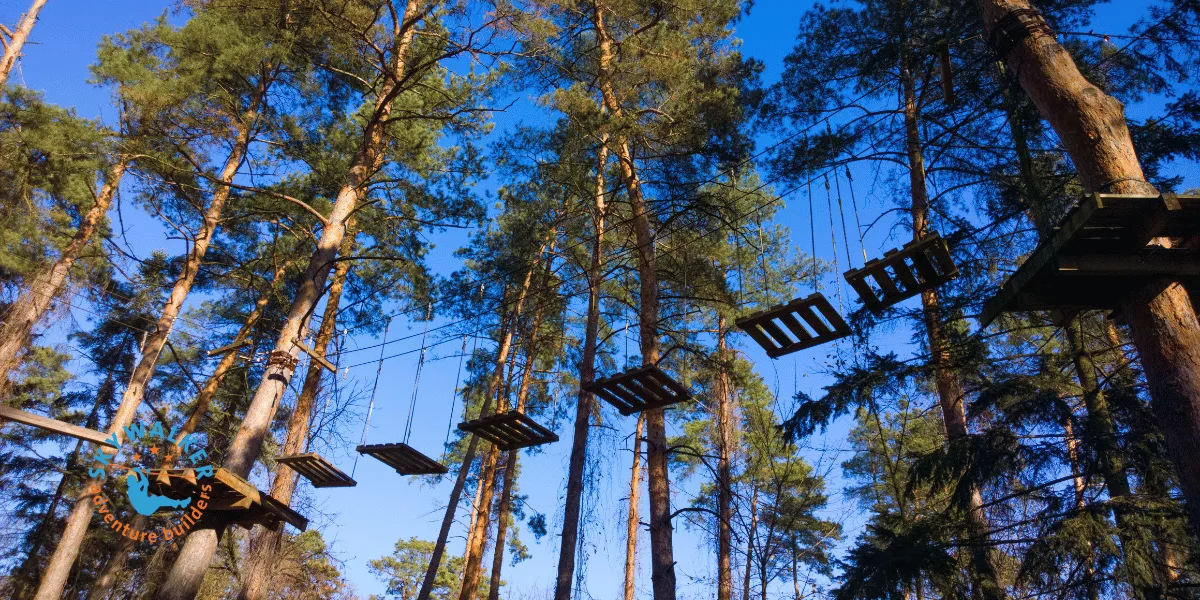
- Inspecting all wooden structures and poles for signs of rot, insect infestation, or instability.
- Checking all wire cables, especially under clamps, for signs of wire breaks.
- Assessing all fall arrest systems, belay devices, and lowering device suspensions for proper function and wear.
- Testing ziplines for correct speed, cable tension, and landing zone clearances, and verifying the function of all primary and emergency braking systems.
- Advanced Inspection Techniques: For critical components, visual checks may not be enough. Inspectors may employ advanced, non-destructive techniques like Magnetic Rope Testing (MRT) to reveal hidden internal corrosion or broken wires inside a cable. They might also use a Resistograph to measure the internal density of wooden poles, detecting hidden decay that is invisible from the outside.
- Reporting and Rectification: After the on-site examination, the inspector will provide immediate feedback on any defects found. You will then receive a detailed formal report that categorizes all findings, typically as "serious" (requiring immediate action before reopening) or "minor" (requiring correction within a specified timeframe). You will also be given a document to record the corrective actions taken.

The "Who": Choosing a Qualified Inspector
The value of your annual inspection is directly dependent on the competence of the person performing it. Choosing the right inspector is a critical decision. The profession is not always legally protected, so it is your responsibility as an operator to verify their qualifications and independence.
- Independence is Key: The "dual control" principle is a core concept of safety. Your annual inspection must be performed by an independent third party. This entity should not be the same one that built your course or performs your regular maintenance, as this creates a conflict of interest.
- Verify Credentials and Experience: Look for an inspector with recognized training and certifications from industry bodies. Ask about their experience—how many inspections have they conducted? Are they familiar with your specific type of course and safety systems?
- Look for Compliance with Standards: The highest-quality inspection bodies will comply with international standards for inspection. This ensures their processes are robust, impartial, and well-documented.
- Beyond the Report: A great inspector is also a partner. They should be available to answer questions, provide guidance on rectification, and help you understand evolving safety standards long after the inspection is complete.
An adventure park inspection is not a cost; it is an investment in safety, longevity, and operational excellence. A well-managed program, built on the three tiers of daily, operational, and annual checks, is the only way to effectively manage the inherent risks of the adventure industry. By embracing this process and partnering with qualified, independent inspectors, you are not just ensuring compliance—you are building a resilient business, protecting your customers, and securing your reputation as a high-quality, professional operator.
What is the most important type of inspection for a ropes course?
The annual (or periodic) inspection is the most critical. It must be performed by a qualified, independent, external inspector at least every 15 months. This comprehensive audit is legally required to verify the safety of all components and is essential for compliance, insurance, and recertification.
What is the difference between an operational and an annual inspection?
An operational inspection is a more detailed check performed in-house by a trained staff member every 1-3 months to monitor wear on high-use items. An annual inspection is a much more intensive audit conducted by an independent, external expert to certify the entire attraction's safety and compliance with standards.
What happens if an inspector finds a problem?
The inspector will provide a detailed report categorizing defects, typically as "serious" or "minor". Serious defects, which pose an immediate risk, must be fixed before you can reopen that part of the course. Minor issues must be corrected within a set timeframe. You will be required to document all rectifications.
Do low ropes courses need to be inspected?
Yes. The relevant safety standards do not differentiate between low and high ropes courses regarding annual inspection requirements. Both types of installations are subject to the same rigorous annual scrutiny to ensure they are safe for participants, as even low-to-the-ground elements can pose risks if not properly maintained.
What qualifications should I look for in an inspector?
You should look for an inspector who is independent from your course's builder and regular maintenance provider. They should have demonstrable experience and hold certifications from recognized industry bodies. Ask if their inspection body complies with international standards, which outline requirements for inspection bodies.
Additional expert information on the Adventure Business
Interested to read more about the Adventure Business with our expert articles?
- Logistics and throughput in Adventure Parks, key elements in Customer satisfaction
- Profitable Upgrades for Aerial Adventure Parks
- Integrating Gaming Technology into Adventure Parks
- Optimizing Adventure Park Operations: The Power of Predictive Analytics
- The Benefits of Integrating Urban Adventure Play in Commercial Retail
- Creating Profitable Adventure Parks: Tips and Strategies
- Roller Coaster Zipline: The Thrilling and Profitable Amusement Solution
- Prioritizing Safety: The Key to Success in Aerial Adventure Parks
- Maximize Your Adventure Park's Potential with an Online Reservation System
- Importance of a Safety and Quality Management System at Adventure Parks
- Virtual Reality Training in Adventure Parks: Revolutionizing Skill Development and Safety
- Climbing to New Heights: Boosting Traffic and Revenue with an Indoor Ropes Course
- How to Launch a Zip Line Company
- Ride a bike modified to attach to a zipline cable
- Adopting Universal Design and Adaptive Techniques for Inclusive Adventure
- From Skills to Thrills: How to Start and Run a Successful Adventure Business
- Thinking of investing and operating a Zipline? We got you covered with this expert article!
- Rope Course Construction: A Comprehensive Guide
- Leisure and Adventure in Retail Real Estate: The Future of Shopping
- The Benefits of Netted Attractions for Operators and Guests
- Thrills Adventure for Family Entertainment Centers’