

Compliance with recognized safety standards is the foundation of a profitable adventure operation. Certification schemes like ADIPS, LEAPS, and ERCA protect your business from liability and ensure the longevity of your technical assets. Understanding the specific requirements of each protocol allows managers to schedule accurate inspections and maintain operational continuity. This guide breaks down these critical frameworks to help you secure your facility and optimize your return on investment.
Understanding safety certification standards
Selecting the correct inspection framework ensures your facility meets legal obligations and industry best practices.
- Regulatory alignment is critical for avoiding fines and operational shutdowns during spot checks.
- Insurance providers often mandate specific certifications before issuing liability coverage for high-risk activities.
- Asset tracking becomes streamlined when you adopt a standardized inspection regime for all equipment.
- Public trust increases when visitors see recognized safety marks displayed prominently at your entrance.
Safety certifications function as a quality control mechanism for the entire leisure industry. They dictate how manufacturers design equipment and how operators maintain it throughout its lifecycle. A robust inspection strategy covers the initial design review, the assessment of conformity, and the annual thorough examination. Adhering to these protocols minimizes the risk of mechanical failure. It also provides a clear audit trail in the event of an incident. Operators must view these schemes not as administrative burdens but as essential tools for risk management.
The role of ADIPS in amusement device compliance
This scheme provides a centralized database for registering fairground rides and certifying their operational safety.
The Amusement Device Inspection Procedures Scheme (ADIPS) manages the safety of amusement devices through a system of registered inspection bodies. It ensures that independent examiners verify the integrity of rides before the public uses them. The process begins with a Design Review. This step confirms that the engineering calculations and drawings meet relevant standards. Engineers analyze stress loads and material specifications to predict performance under high-throughput conditions.
Once the device is manufactured, it undergoes an Assessment of Conformity. Inspectors test the physical structure to ensure it matches the approved design. This phase includes non-destructive testing of critical welds and components. The final stage is the Declaration of Operational Compliance (DOC). A registered inspection body issues this document only after the device passes all tests. This DOC serves as a passport for the ride. It proves to regulators and insurers that the device is fit for purpose.
Operators must schedule an annual inspection to renew their certification. This check assesses wear and tear, corrosion, and the functionality of safety systems. Inspectors examine restraints, brakes, and control systems. Any defect identified during this examination results in a "Report of Inspection" detailing necessary repairs. The device cannot operate until a competent person rectifies these issues.
LEAPS and leisure asset protection
This independent scheme covers a broader range of leisure equipment beyond traditional fairground rides.
The Leisure Equipment and Asset Protection Scheme (LEAPS) addresses the diverse needs of the modern leisure sector. It bases its protocols on the HSG 175 guidance for the safe operation of attractions. This framework applies to trampolines, soft play areas, and inflatables. LEAPS focuses on the entire ecosystem of safety, certifying not just the equipment but also the competence of the inspectors. This holistic approach ensures consistent standards across different types of leisure facilities.
A key component of LEAPS is the inspection of management systems. Examiners review how operators document daily checks and maintenance tasks. They verify that staff receive appropriate training for their roles. This audit of operational procedures is as vital as the physical inspection of the hardware. It confirms that the facility has a safety culture that prioritizes risk reduction.
LEAPS also manages a database of certified equipment. This registry allows stakeholders to track the safety history of specific assets. If an operator sells a piece of equipment, the inspection records transfer with it. This transparency maintains safety standards throughout the secondary market. Facilities that adhere to LEAPS demonstrate a commitment to best practices. This can lead to reduced insurance premiums and improved relationships with local authorities.

ERCA standards for high ropes courses
This association establishes the benchmark for construction and inspection within the ropes course industry.
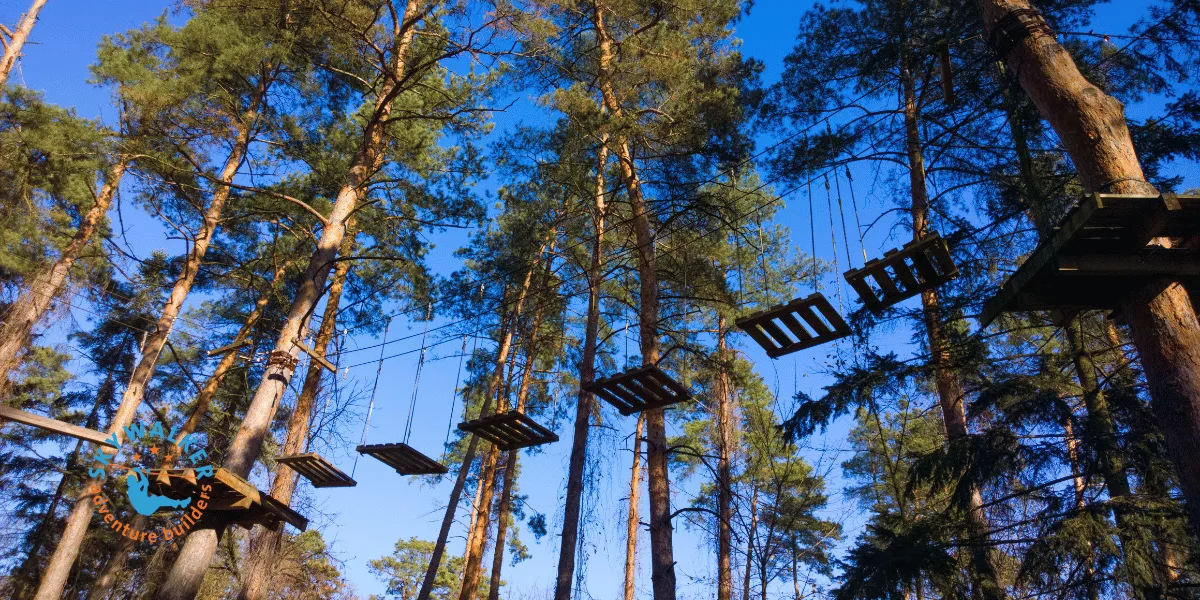
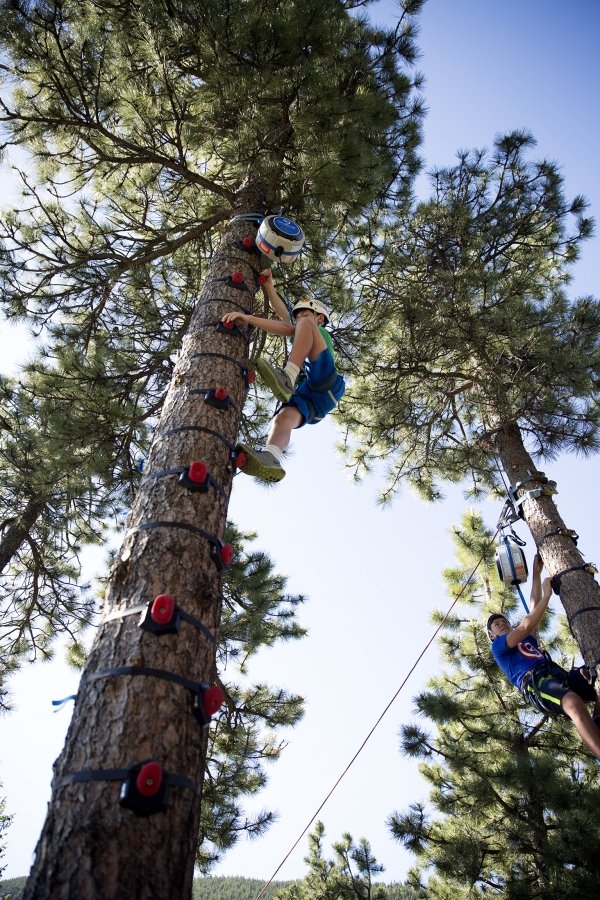
The European Ropes Course Association (ERCA) sets rigorous standards for aerial adventure parks. Their guidelines cover everything from the tensile strength of cables to the durability of personal protective equipment (PPE). ERCA standards distinguish between construction inspections and periodical inspections. A construction inspection occurs upon completion of a new course. It verifies that the installation matches the design criteria and complies with EN 15567 standards.
Operational inspections occur annually. An ERCA-certified inspector assesses the structural integrity of poles, trees, and platforms. They check wire ropes for signs of fatigue or corrosion. The inspection also covers the belay systems and connecting components. Inspectors measure the wear on carabiners and pulleys to ensure they remain within safe limits.
ERCA also emphasizes inspector competence. They provide a training and certification pathway for individuals who wish to conduct inspections. This ensures that examiners possess the specific technical knowledge required for ropes courses. An ERCA inspection report provides a detailed breakdown of the course condition. It categorizes findings by urgency, allowing operators to prioritize maintenance budgets effectively. Compliance with ERCA standards signals to the market that a facility operates at the highest level of safety.
Amusement device inspection protocols
Investing in ADIPS, LEAPS, or ERCA compliance delivers measurable value to your business. These frameworks reduce the likelihood of costly accidents and extend the operational lifespan of your equipment. A valid safety certification serves as a powerful asset during insurance negotiations and regulatory audits. Prioritize these inspections to protect your bottom line and ensure the long-term viability of your adventure facility.
Frequent asked questions
What is the difference between ADIPS and LEAPS?
ADIPS primarily targets fairground rides and amusement devices found in theme parks. LEAPS covers a wider range of leisure equipment, including inflatables and soft play, following HSG 175 guidance.
How often do I need an amusement device inspection?
Most standards require a thorough examination at least once every 12 months. However, high-throughput devices or those in harsh environments may require more frequent checks based on the risk assessment.
Is ERCA certification mandatory for ropes courses?
ERCA certification is not always legally mandatory but is the industry standard for proving compliance with EN 15567. Insurance providers often require an ERCA-compliant inspection to validate liability coverage.
What happens if my device fails an inspection?
The inspector issues a report detailing the defects and prohibits the use of the device. You must complete the necessary remedial work and pass a re-inspection before reopening the attraction.
Can I perform my own annual inspections?
No, annual inspections must be conducted by an independent competent person registered with the relevant scheme. Internal staff can only perform daily pre-use checks and routine maintenance.
Secure your facility's operational status. Contact our technical team!
Get in touch Today
Additional expert information on the Adventure Business
Interested to read more about the Adventure Business with our expert articles?
- Logistics and throughput in Adventure Parks, key elements in Customer satisfaction
- Profitable Upgrades for Aerial Adventure Parks
- Integrating Gaming Technology into Adventure Parks
- Optimizing Adventure Park Operations: The Power of Predictive Analytics
- The Benefits of Integrating Urban Adventure Play in Commercial Retail
- Creating Profitable Adventure Parks: Tips and Strategies
- Roller Coaster Zipline: The Thrilling and Profitable Amusement Solution
- Prioritizing Safety: The Key to Success in Aerial Adventure Parks
- Maximize Your Adventure Park's Potential with an Online Reservation System
- Importance of a Safety and Quality Management System at Adventure Parks
- Virtual Reality Training in Adventure Parks: Revolutionizing Skill Development and Safety
- Climbing to New Heights: Boosting Traffic and Revenue with an Indoor Ropes Course
- How to Launch a Zip Line Company
- Ride a bike modified to attach to a zipline cable
- Adopting Universal Design and Adaptive Techniques for Inclusive Adventure
- From Skills to Thrills: How to Start and Run a Successful Adventure Business
- Thinking of investing and operating a Zipline? We got you covered with this expert article!
- Rope Course Construction: A Comprehensive Guide
- Leisure and Adventure in Retail Real Estate: The Future of Shopping
- The Benefits of Netted Attractions for Operators and Guests
- Thrills Adventure for Family Entertainment Centers’