




• 1.jpg
  • 2.jpg
  • 3.jpg
  • 4.jpg
  • 5.jpg
  • 6.jpg
  • 7.jpg
  • 8.jpg

Select your language

Looking to optimize throughput? Learn why a speed-regulating zipline trolley is the key to safer, faster, and more profitable operations.

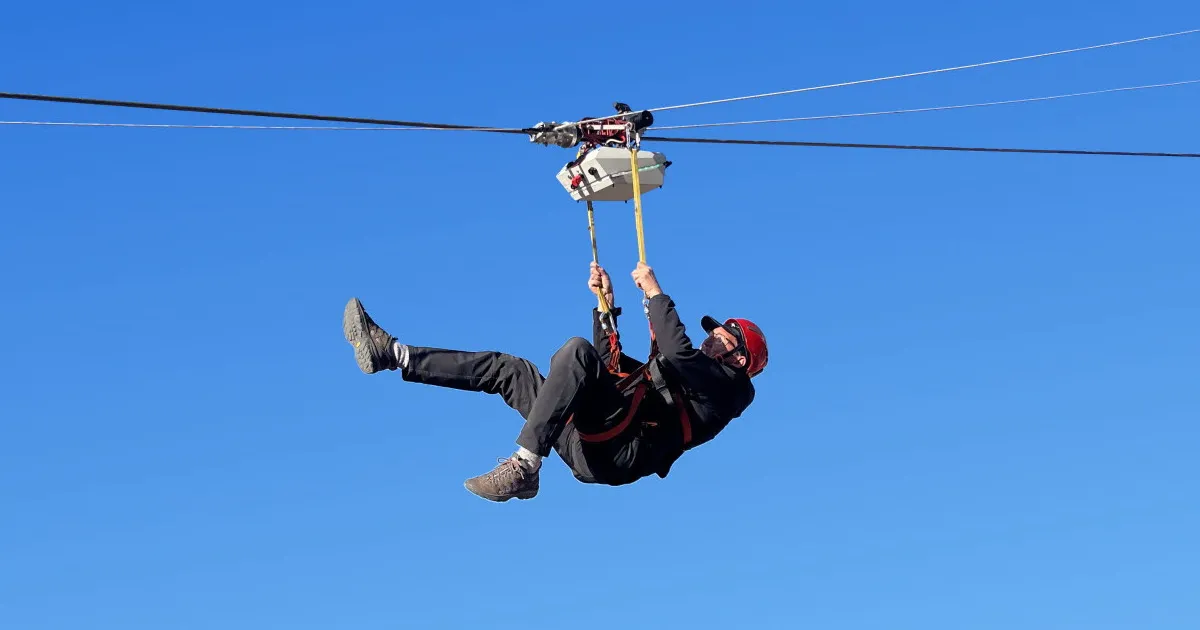
In the competitive world of zip wire parks, operational bottlenecks often stem from the logistical hurdles of gear retrieval and inconsistent arrival speeds. Traditional systems rely heavily on manual labor and passive braking that can vary wildly based on rider weight or environmental conditions. Modern innovation has introduced the self-braking zipline trolley, a tool that not only regulates speed for participant safety but also captures energy to solve the problem of equipment return. By integrating bi-directional autonomy with advanced braking technology, operators can now achieve a level of efficiency that was previously impossible, transforming the zipline from a high-maintenance attraction into a streamlined, high-throughput asset.

The mechanics of a speed-regulating zipline trolley

Understanding the internal technology of these devices helps operators appreciate the long-term value they bring to a facility.

  • A self-braking zipline trolley utilizes internal friction mechanisms to maintain a constant and safe descent speed for every rider.
  • This speed-regulating zipline trolley technology ensures that whether a rider is light or heavy, they arrive at the landing platform at a predictable velocity.
  • The friction generated during the braking process is not wasted; it is converted into electrical energy and stored in an onboard battery.
  • Self-regenerative charging allows the unit to complete numerous cycles without requiring external power sources or manual recharging breaks.
  • By using a self-braking zipline pulley, the wear and tear on the main cable are significantly reduced compared to traditional manual braking methods.
  • Programmable logic within the trolley allows operators to set specific speed limits and operational parameters tailored to their specific lines.

Slashing labor costs with bi-directional autonomy

Moving away from manual retrieval processes is the fastest way to improve the bottom line of an adventure business.

  • Bi-directional operation allows the trolley to return to the launch point autonomously after the rider has dismounted.
  • The stored energy from the descent powers an internal motor that drives the self-braking zipline trolley back up the incline.
  • Eliminating the need for dedicated personnel at the landing platform just to send trolleys back saves significant annual labor expenses.
  • Autonomous return systems reduce the number of individual trolleys needed in a fleet, as gear is constantly in motion back to the launch area.
  • A self-braking zipline pulley system ensures that the return journey is as controlled and safe as the initial descent.
  • Staff can be redeployed to focus on guest engagement and safety briefings rather than repetitive logistical tasks.

Enhancing the guest experience and throughput

A smoother operation directly translates to happier visitors and higher repeat visitation rates.

  • Consistent braking removes the uncertainty that many riders feel when approaching the landing area.
  • By using a speed-regulating zipline trolley, wait times are slashed because the system enables a continuous flow of participants.
  • High-capacity solutions enabled by automated retrieval allow parks to maximize their visitor volume within the same operating hours.
  • Riders enjoy a hands-free experience, allowing them to focus on the scenery rather than worrying about manual braking techniques.
  • The smooth deceleration provided by a self-braking zipline trolley eliminates the jarring impact often associated with traditional spring or bungee brakes.
  • Autonomous systems create a sense of high-tech professional operation that boosts the park's reputation and marketing value.

Designing for long-term reliability and profitability

Investing in advanced trolley technology is a strategic move that pays for itself through increased efficiency and reduced maintenance.

  • Because the self-braking zipline trolley manages braking internally, the lifespan of the primary zipline cables and secondary equipment is extended.
  • The high-quality design of these trolleys makes routine inspections simpler and leads to lower long-term maintenance costs.
  • Onboard data collection can provide operators with real-time data on usage patterns to inform management decisions.
  • Using a self-braking zipline pulley reduces the potential for human error associated with handling equipment during retrieval.
  • Energy-efficient, self-charging models align with the growing consumer demand for environmentally friendly and sustainable adventure tourism.
  • The ability to operate efficiently in diverse conditions ensures that the park remains profitable throughout the year.

Why every modern adventure park needs a self-braking zipline trolley system

The transition from traditional pulleys to an autonomous, self-braking zipline trolley marks a significant leap in adventure park management. By utilizing a speed-regulating zipline trolley that recharges via friction, operators solve two of the industry's biggest challenges: inconsistent safety at high speeds and the inefficiency of manual gear retrieval. This technology not only protects the rider through smooth, hands-free deceleration but also protects the business's margins by drastically reducing staffing needs and increasing throughput. Ultimately, a self-braking zipline pulley system is an investment in safety, sustainability, and long-term profitability, ensuring that guests leave with unforgettable memories and operators see a faster return on their investment.

FAQ's

What is the difference between a friction-based and a magnetic self-braking zipline trolley?

While both provide speed regulation, a friction-based bi-directional trolley captures the energy generated during braking to charge an internal battery. This stored energy is then used to power the motor for an autonomous return trip, which is a feature specifically tailored for gear retrieval efficiency.

Can a speed-regulating zipline trolley be used on any existing line?

In most cases, these trolleys can be integrated into existing setups, provided the cable diameter and slope fall within the specifications of the device. However, a technical structural analysis should always be performed to ensure the anchor points and existing infrastructure can handle the specific dynamics of the new system.

How does the trolley "know" to return with gear?

Modern bi-directional trolleys are programmable and fully autonomous. Once a rider is safely detached at the landing platform, the system can be programmed to engage its motorized lift and travel back to the launch point automatically.

Is manual gear retrieval still necessary if I use this technology?

The primary goal of an autonomous self-braking zipline pulley is the elimination of manual trolley retrieval. The trolley is designed to traverse the line in both directions on its own, though regular safety inspections and maintenance by staff remain mandatory.

How much maintenance does an autonomous self-braking zipline trolley require?

While these units are high-tech, they are designed for the rigors of commercial use. Maintenance typically involves regular checks according to a provided logbook, ensuring the battery and mechanical components are in excellent condition to prevent downtime.

Planning a zipline installation? Need expert advice on zipline design?

Get started Today