


-
Adventure Park Master Planning Tips
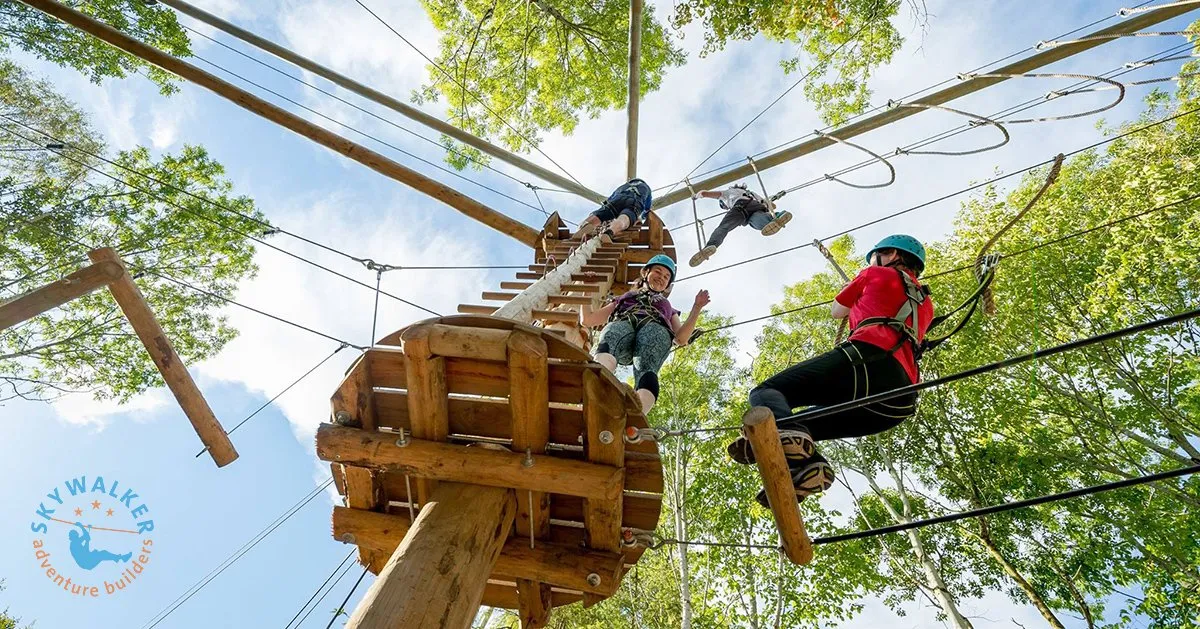 ◆ Adventure Business · Strategic Planning
Strategic Adventure Park Master Planning & Zoning
Effective adventure park master planning is one of the strongest drivers of a profitable recreation destination. Operators who prioritize intelligent site zoning increase visitor dwell time and secondary spend by turning a chaotic layout into a streamlined, revenue-generating ecosystem.
Multi-Attraction Aerial Parks & ROI
◆ Strategy · Adventure BusinessMulti-Attraction Aerial Parks: The Full-Day Blueprint
Investing in multi-attraction aerial parks is a proven way to turn a brief stopover into a profitable, full-day destination. Operators who move from a single activity to an integrated attraction mix can turn a 2-hour visit into a 4-to-6-hour day. This supports ROI through higher throughput and more secondary spending.
Reducing Adventure Park OPEX
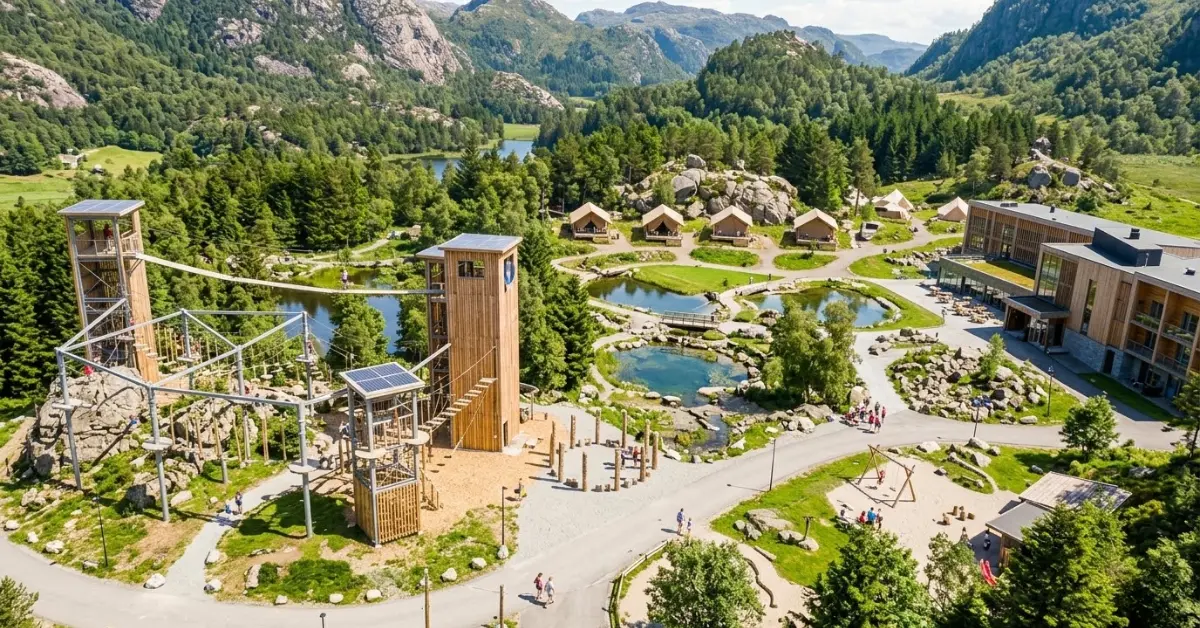 ◆ Adventure Business · Guide
The secret to OPEX efficiency in adventure parks
Mastering your adventure park OPEX requires a strategic balance between traditional high ropes and high-throughput unharnessed attractions. Operators frequently underestimate the financial drain of continuous safety equipment maintenance and intense staff supervision. By shifting focus toward netted play zones, you can reduce bottlenecks and widen your profit margins.
Adventure Park Business Models
◆ Adventure Park Models · Business StrategyScaling your facility: a guide to adventure park business models
Selecting the right adventure park business model is the most critical step in ensuring long-term profitability and sustainable operations. By understanding the distinct differences between category A, B, and C setups, operators can align their attractions with available land and local market demand. Proper spatial planning helps your facility avoid costly infrastructure traps while maximizing daily visitor throughput.
Centralized Adventure Park Infrastructure
◆ Adventure Park Infrastructure · Master PlanningThe Operational Benefits of Centralized Adventure Park Infrastructure
Smart adventure park infrastructure is one of the most effective ways to reduce initial civil engineering costs and improve long-term operational efficiency. By moving from scattered layouts to a centralized design, operators avoid duplicate construction costs. Every square metre of the site then contributes to the visitor experience and profitability.
Adventure Park Secondary Spend Strategy
◆ Business Strategy · Adventure ParksMaximizing adventure park revenue through secondary spend
Consistent adventure park revenue means looking well beyond the admission ticket. By focusing on secondary spend, operators can turn a leisure destination into a profitable business. Integrating food, beverage and retail well makes the most of every guest.
Adventure Park Feasibility Study
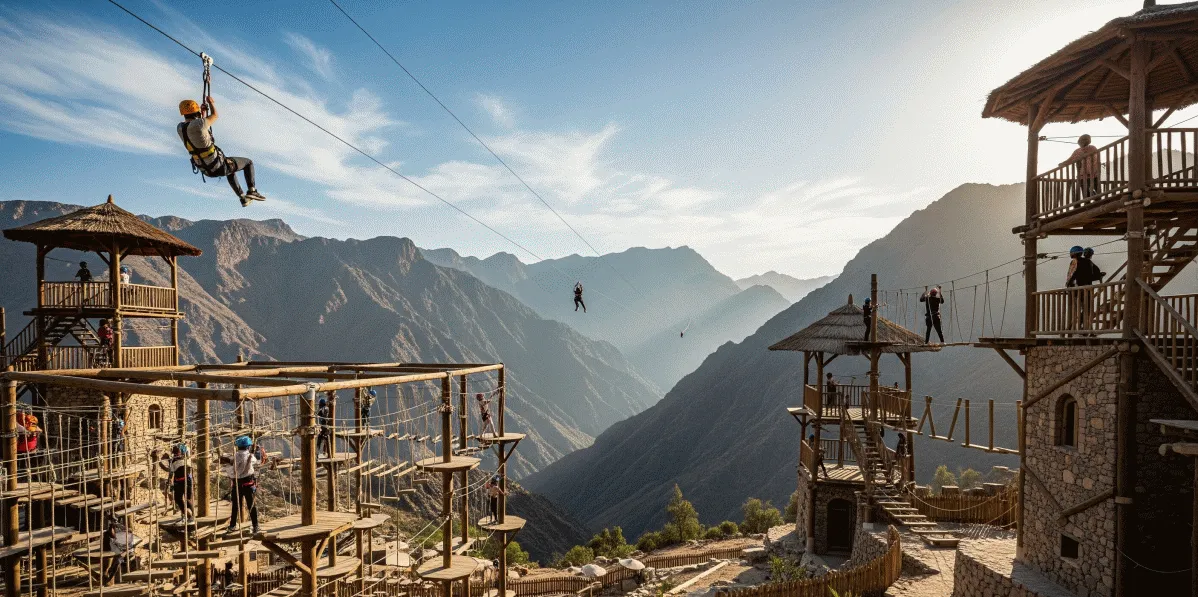 ◆ Feasibility Studies · Adventure Business
The Adventure Park Feasibility Study
An adventure park feasibility study is the critical first step to confirm that your project is both physically viable and financially sound. Before committing significant capital to a new site, professional operators secure their intellectual property and assess hidden risks. Starting with hard data separates profitable recreation destinations from costly development failures.
Select your language