






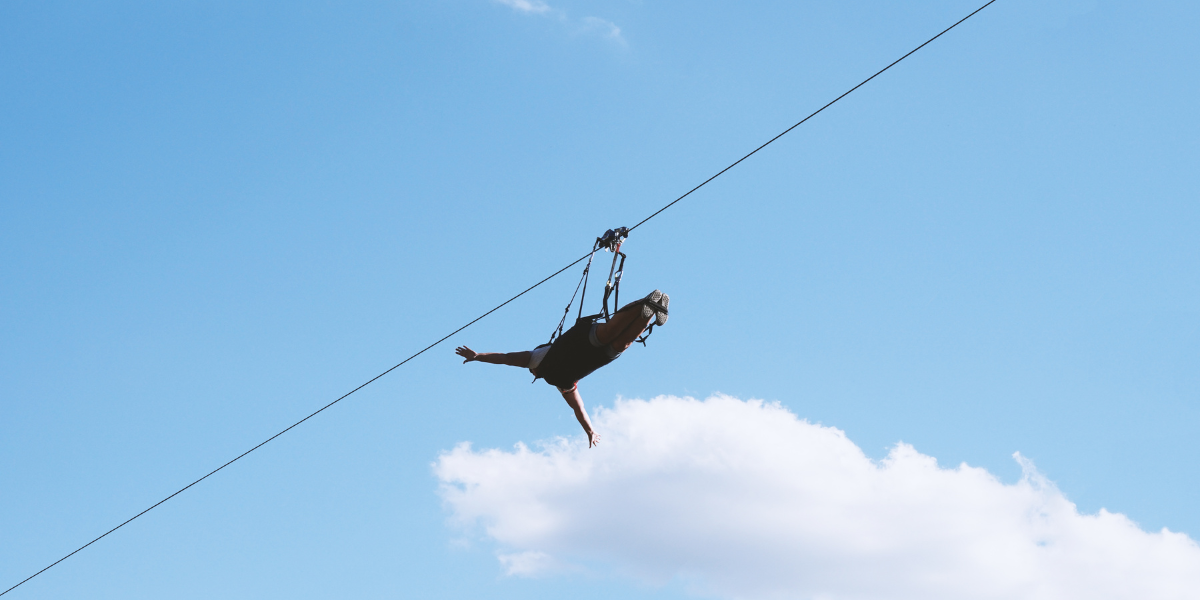
Why Bi-Directional Zip Line Technology is the Future of Adventure Parks
Traditional zip line operations often struggle with manual trolley retrieval, inconsistent ride speeds, and high staffing requirements that eat into profit margins. By implementing bi-directional zip line technology, operators can transform a simple gravity ride into a sophisticated, programmable attraction that maximizes both safety and throughput. This shift toward autonomous mechatronics allows your facility to offer a premium, controlled experience that sets a new standard for the adventure industry.
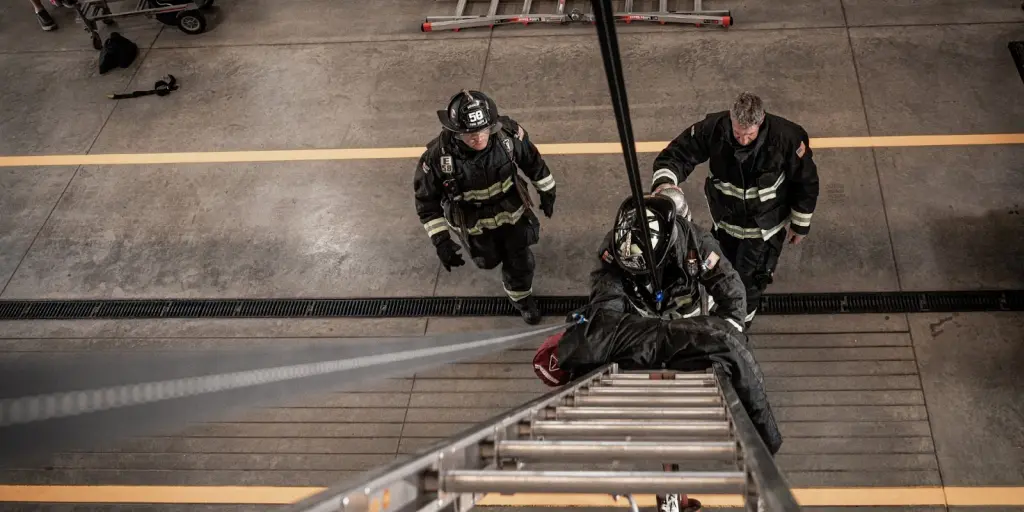
Enhancing Industrial Safety: A Guide to the Trublue Safeline Technology
Safety training requires equipment that mimics real-world conditions while providing an absolute safety net for every participant. The Trublue Safeline offers a seamless blend of dynamic movement and reliable fall protection for professional operators across multiple industries. By removing human error and nuisance lockups, you can focus on mastering essential skills with complete peace of mind.
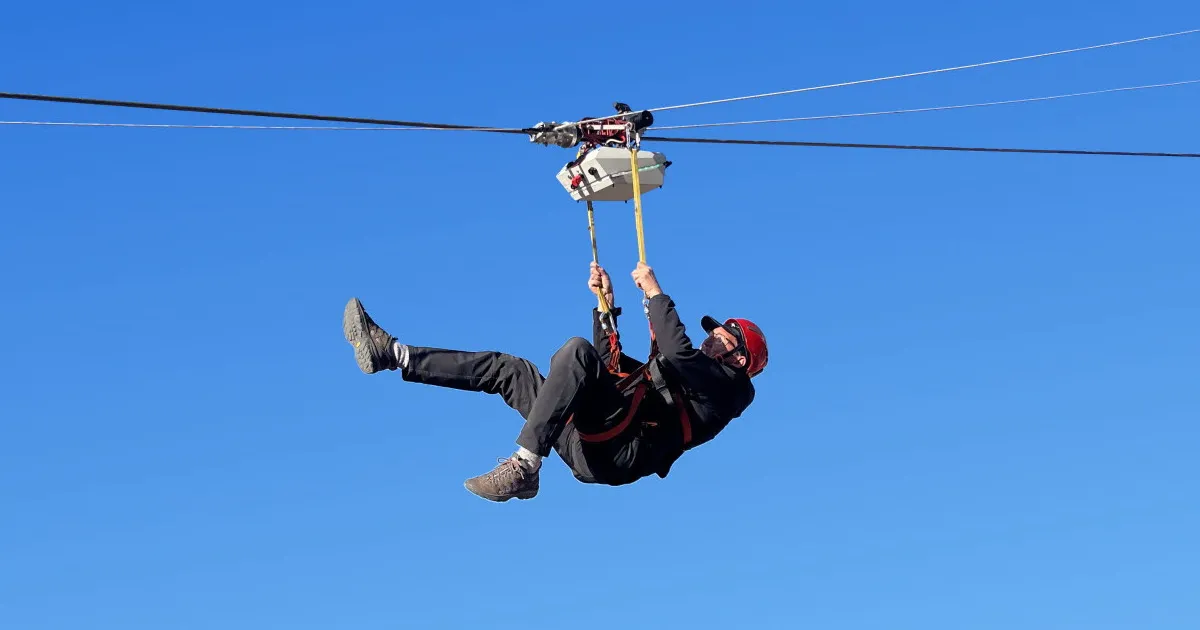
How a speed-regulating zipline trolley optimizes operations
In the competitive world of zip wire parks, operational bottlenecks often stem from the logistical hurdles of gear retrieval and inconsistent arrival speeds. Traditional systems rely heavily on manual labor and passive braking that can vary wildly based on rider weight or environmental conditions. Modern innovation has introduced the self-braking zipline trolley, a tool that not only regulates speed for participant safety but also captures energy to solve the problem of equipment return. By integrating bi-directional autonomy with advanced braking technology, operators can now achieve a level of efficiency that was previously impossible, transforming the zipline from a high-maintenance attraction into a streamlined, high-throughput asset.