




The Operator's Guide to Commercial Zipline Safety
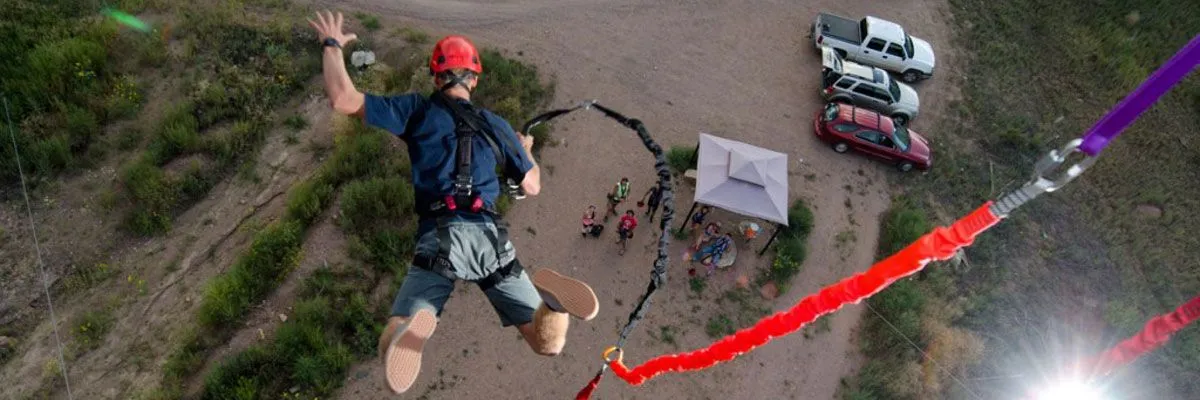
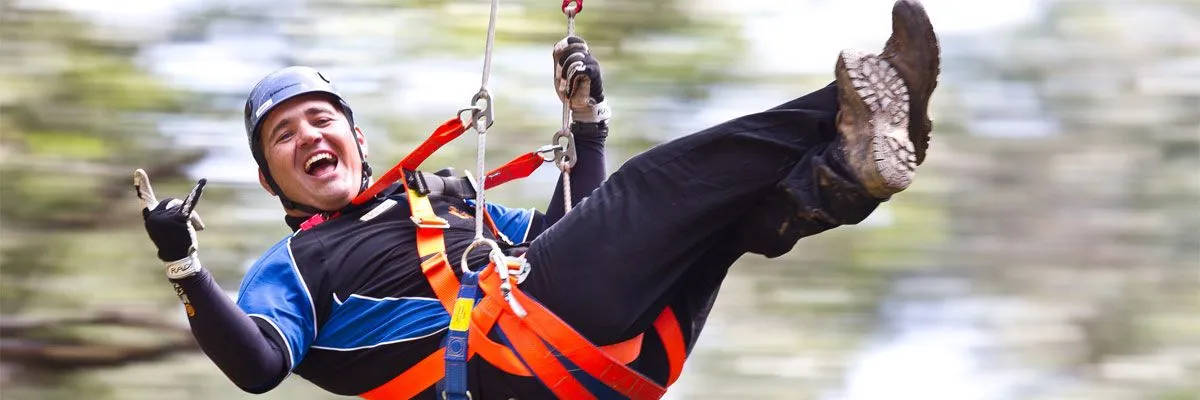
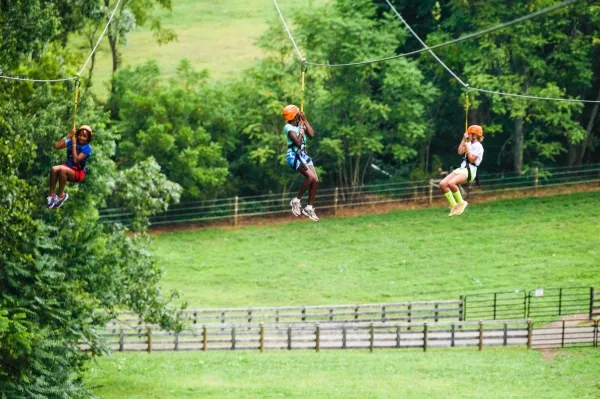
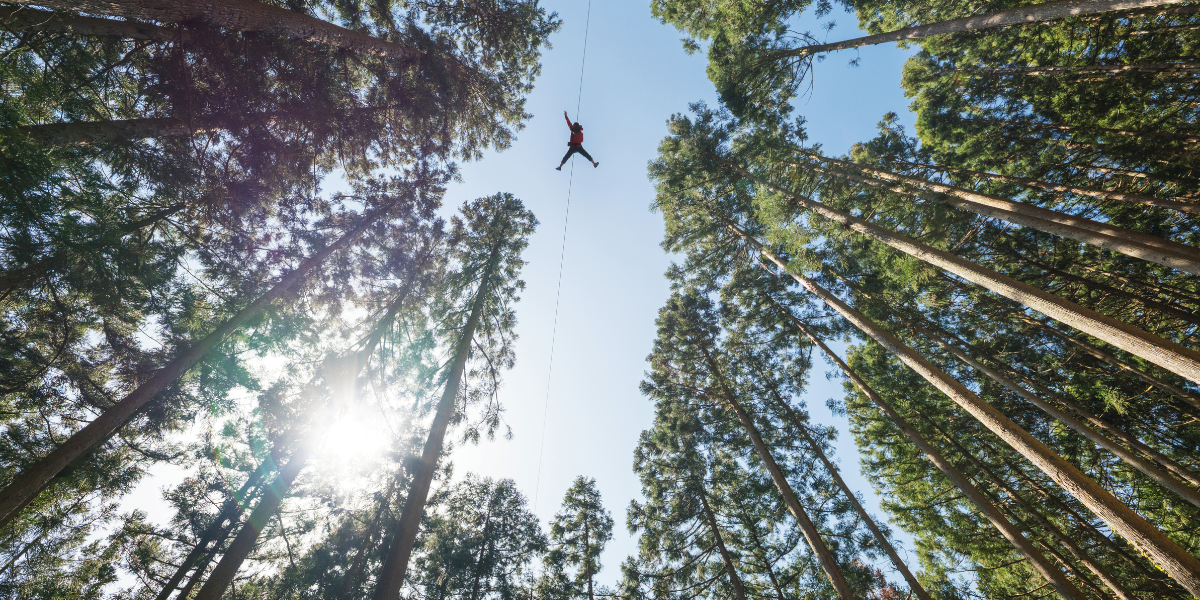
Operating a high-altitude attraction requires an unwavering commitment to commercial zipline safety above all else. Balancing extreme thrills with reliable risk management ensures your guests enjoy an unforgettable adventure while protecting your business reputation. Implementing the latest safety technology and rigorous operational standards is the proven way to achieve long-term success.
Integrating Ropes Courses with Mini Golf
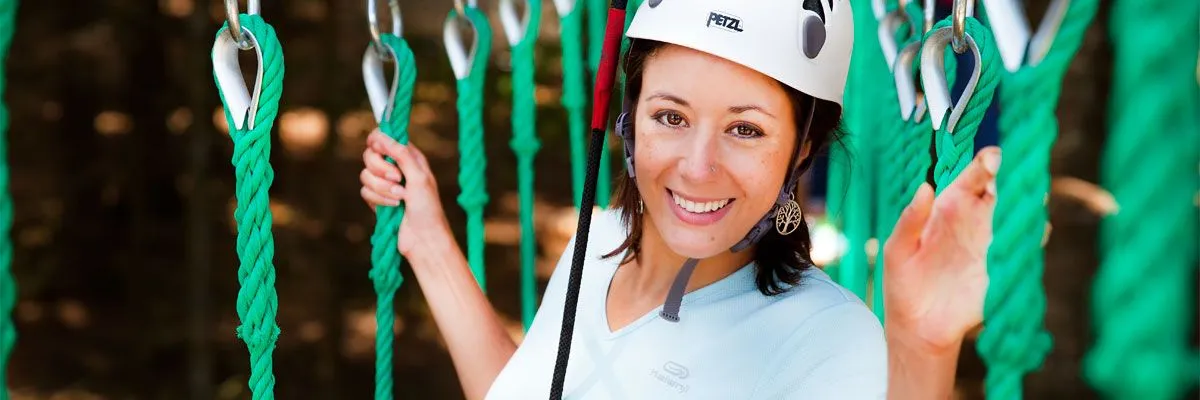
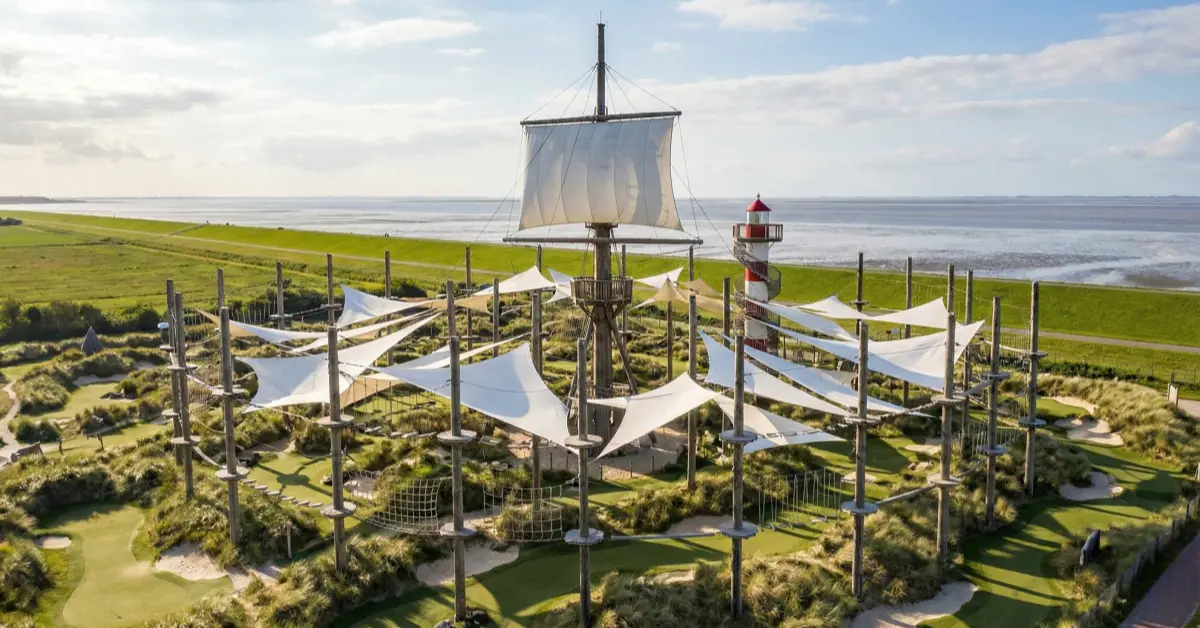
Operators looking to dominate their local market are increasingly integrating ropes courses with mini golf to build highly profitable multi-activity destinations. By utilizing the empty air above your ground-level activities, you instantly double your usable footprint without buying expensive new land. This smart vertical expansion transforms a standard family entertainment center into a high-capacity visual attraction.
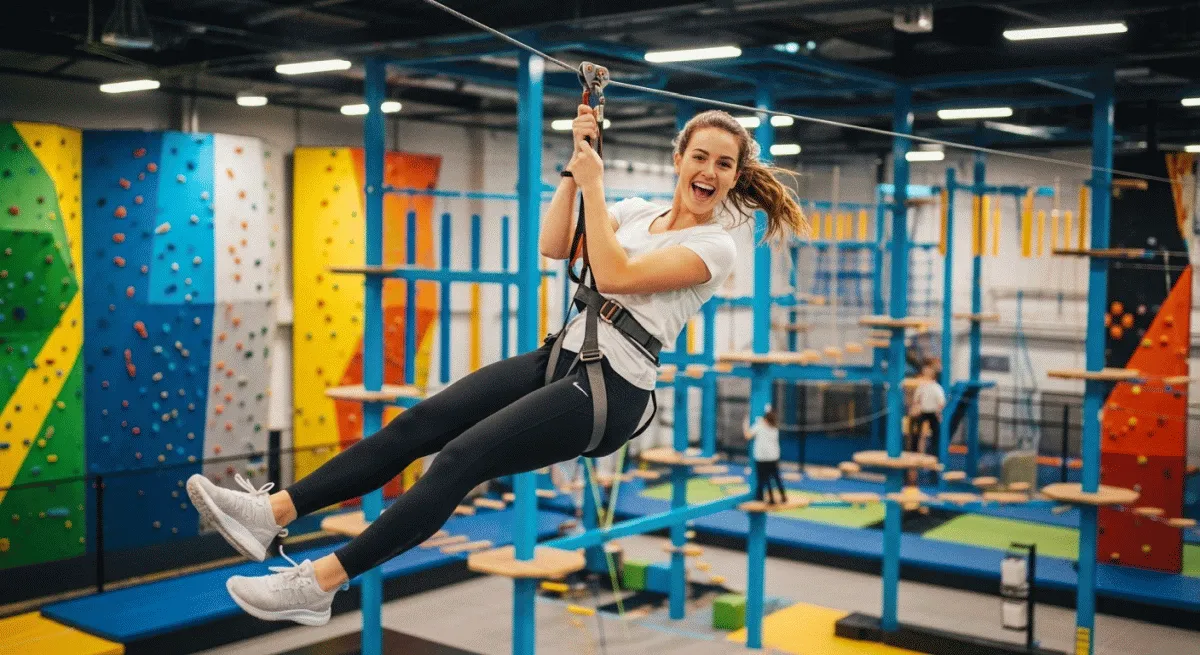
The Operator's Guide to Indoor Zipline Construction
Mastering indoor zipline construction requires a deep understanding of spatial constraints, safety engineering, and guest experience optimization. Professional operators looking to elevate their family entertainment centers must navigate complex structural requirements to safely integrate these suspended indoor rides. By executing a flawless installation, you can dramatically increase visitor retention and operational profitability.

The Operational Benefits of Centralized Adventure Park Infrastructure
Developing smart adventure park infrastructure is the most effective way to drastically reduce initial civil engineering costs while boosting long-term operational efficiency. By shifting away from scattered layouts and embracing a centralized design, facility operators can eliminate redundant construction expenses. This streamlined approach ensures that every square meter of your site actively contributes to visitor engagement and profit optimization.