







Zipline spring brakes: how they work and when to use them
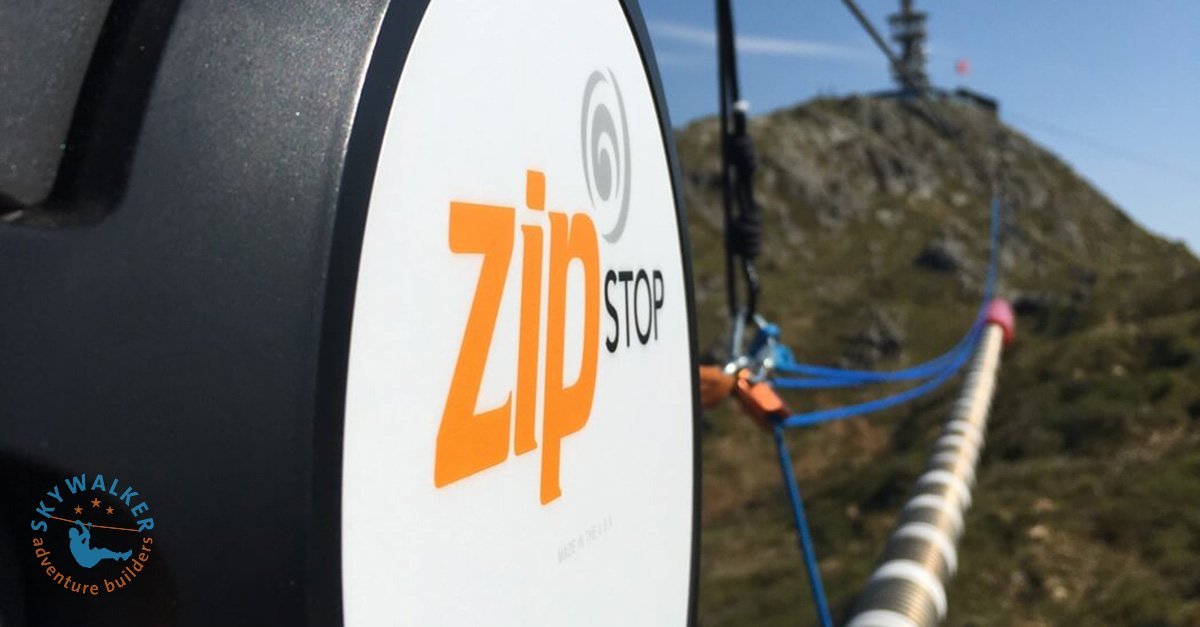
A spring brake for a zip line stops riders by compressing a pack of steel springs at the end of the line. It is simple, passive and fully mechanical, which is why a zipline spring brake system is used both as the main end brake on slower lines and as the emergency arrest device (EAD) behind a magnetic brake on faster ones. This guide explains how spring brakes work, which role they suit, how to choose a system or kit, and what to check during inspection.
TRU-CLIP Connector: Improving Climbing Safety
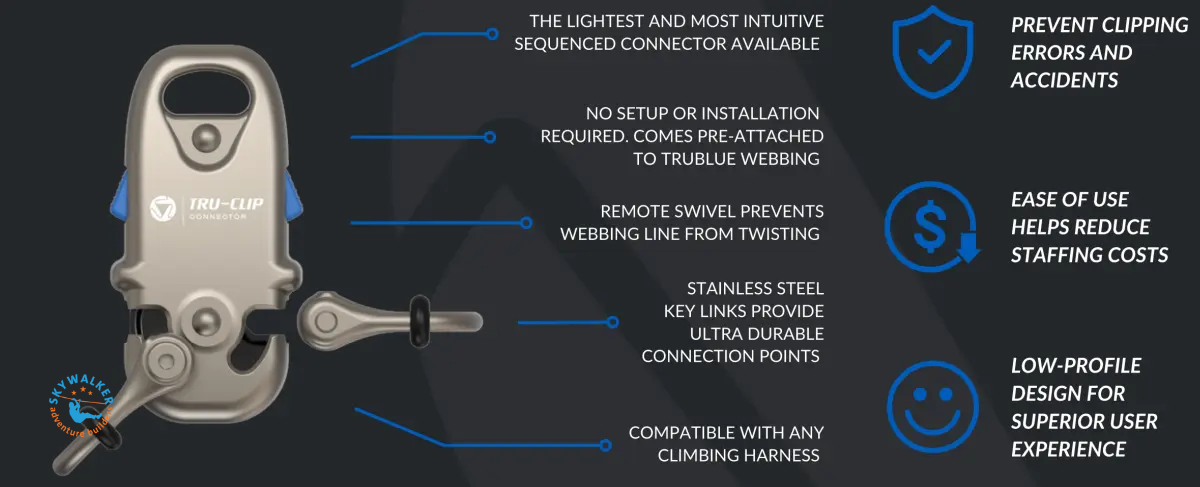
The TRU-CLIP Connector is an innovative device in climbing safety, designed to reduce clipping errors and make climbing simpler for users. It is made by TruBlue Technologies (formerly Head Rush Technologies) and works for climbers of all ages and skill levels. Here is what the TRU-CLIP Connector does and why climbing facilities use it.
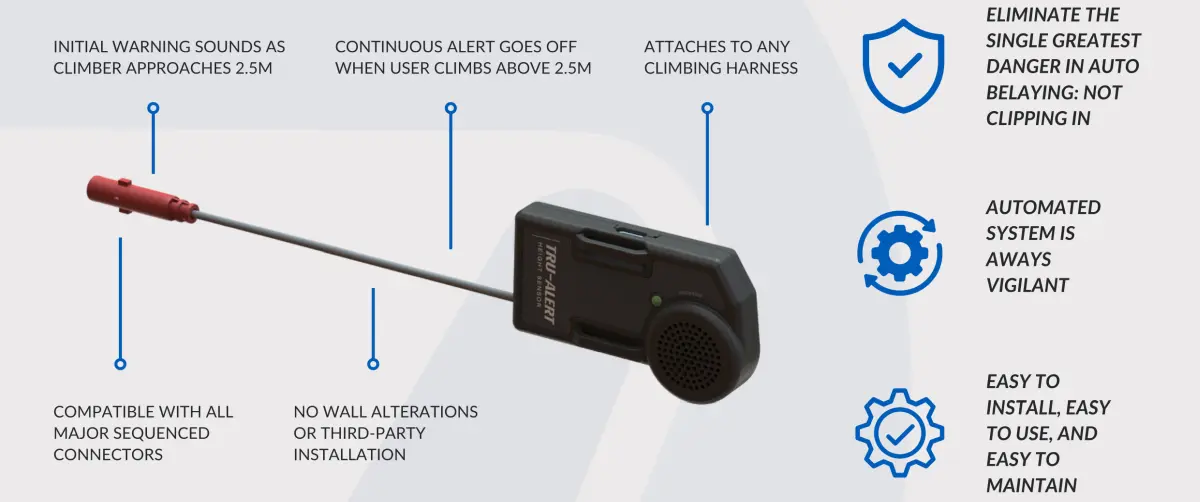
The TRU-ALERT Height Sensor: Improving Climbing Safety
Climbing is an exhilarating sport that combines physical challenge with mental focus. However, safety is a crucial aspect that cannot be overlooked. The TRU-ALERT Height Sensor is a device designed to improve climbing safety by warning before an accident can happen. It is made by TruBlue Technologies (formerly Head Rush Technologies). This article covers its features, its benefits and how it fits into your safety procedures.
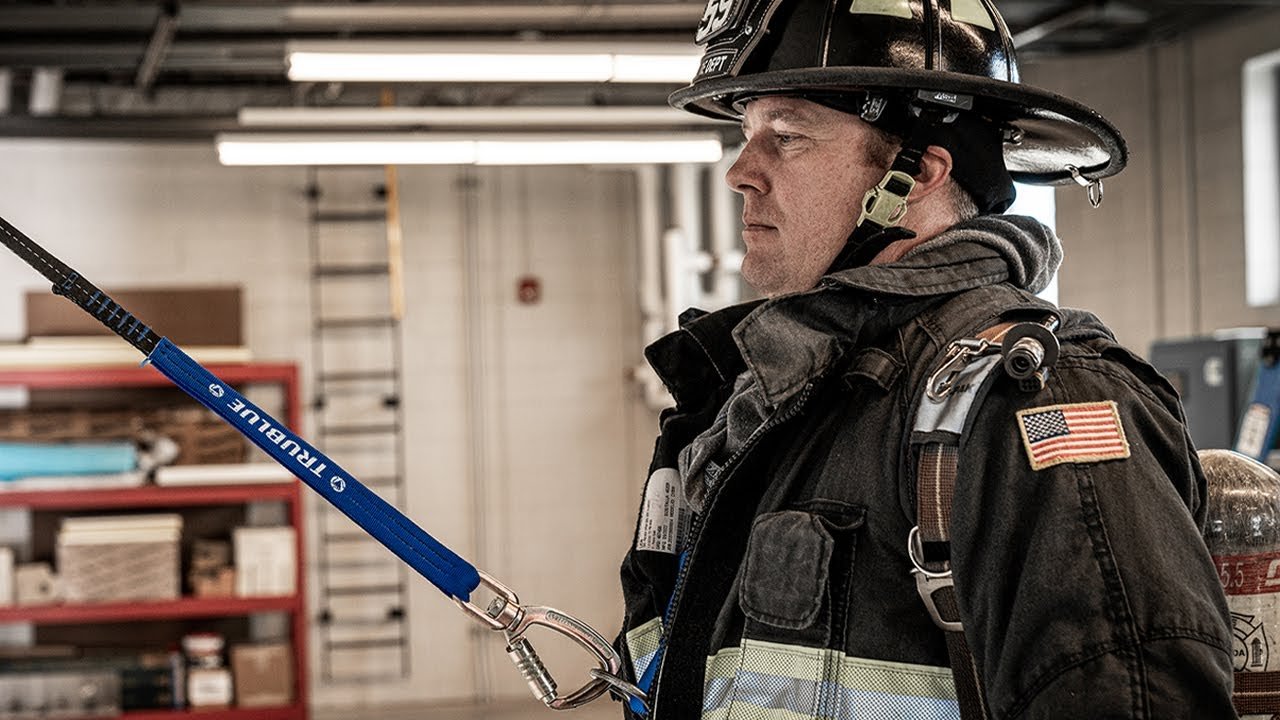
TruBlue Professional: Industrial Fall Protection Training
Fall protection for industrial work at height is a different discipline from recreational climbing, but the core task is the same: catching a fall reliably, every time, without relying on a human belayer. TruBlue Technologies (formerly Head Rush Technologies), the maker of TRUBLUE auto belays, offers a Professional line for exactly this: training towers, firefighter and lineworker programmes, arborists and rescue teams. Skywalker supplies this line, mostly as part of the projects we design and build.