







The Business Case for Adventure Park Playgrounds
Adventure parks are thrilling destinations, but not everyone enjoys the adrenaline rush of zip lines and soaring climbing walls. This article explores how incorporating playgrounds into adventure parks can broaden their appeal to a wider audience, including younger children, families with mixed age groups, and those seeking a less intense experience.
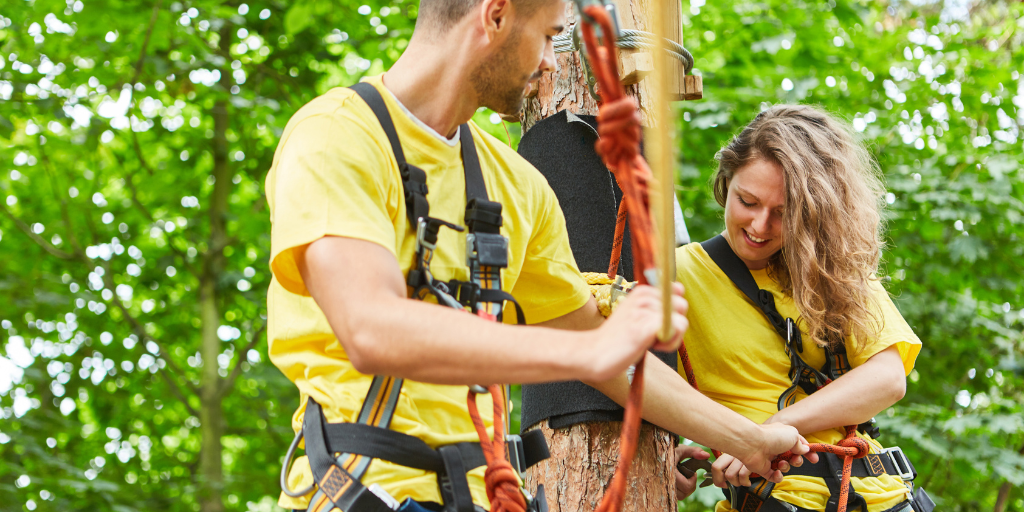
The Role of Mentoring in Adventure Park Staff Training
Effective staff training is the cornerstone of successful adventure programs, ensuring employees are well-prepared to interact with the public and manage operational challenges. It lays the foundation for providing exceptional guest experiences and upholding safety standards.
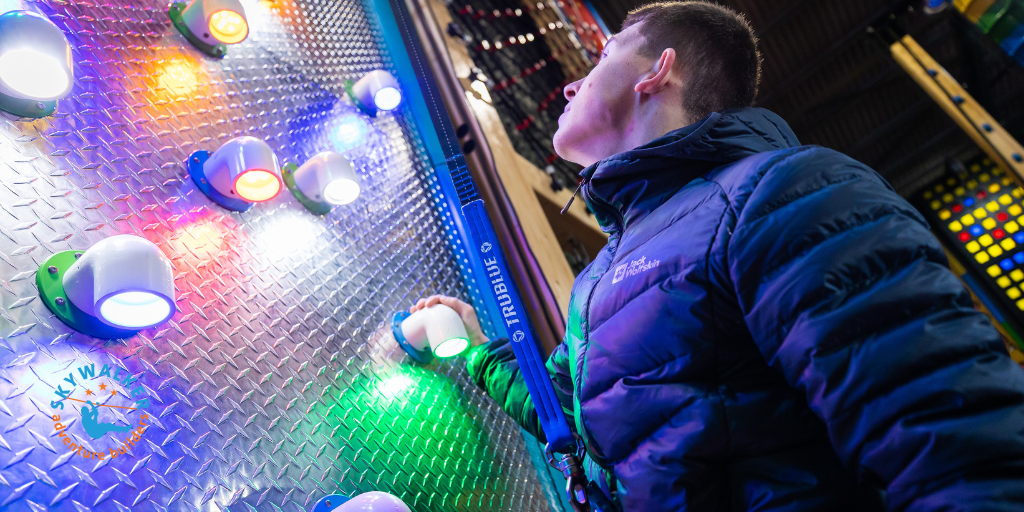
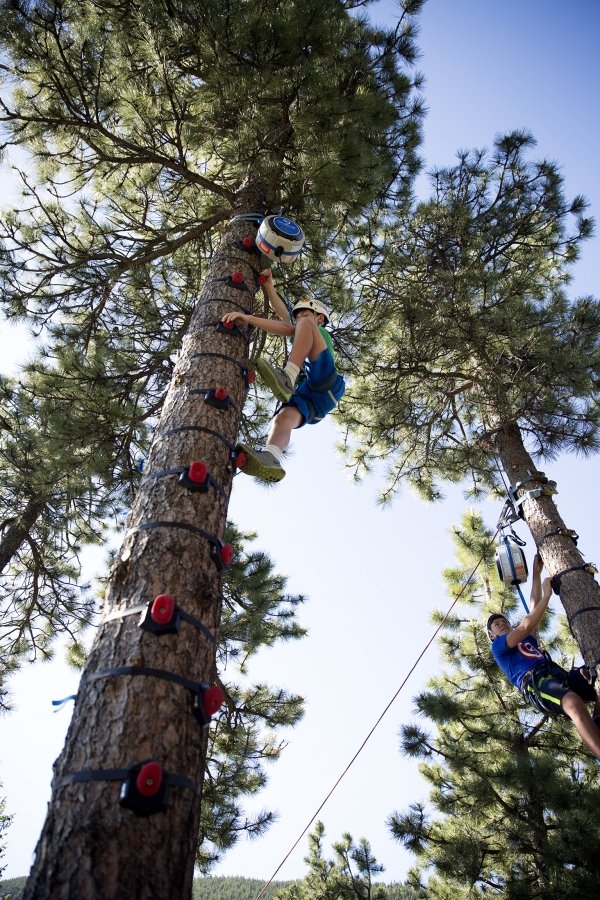
The TRU-Clip Connector is a lightweight, user-friendly belay system that prevents climbers from ascending without attaching to the auto-belay webbing. This innovative device prioritizes safety with minimal maintenance and no recertification required.
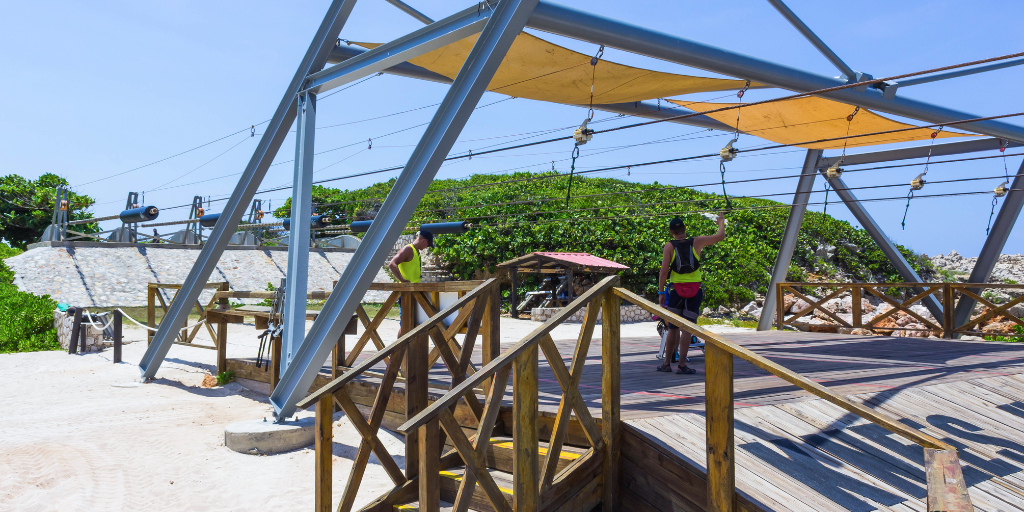
The Pros and Cons of Different Zip Line Brakes
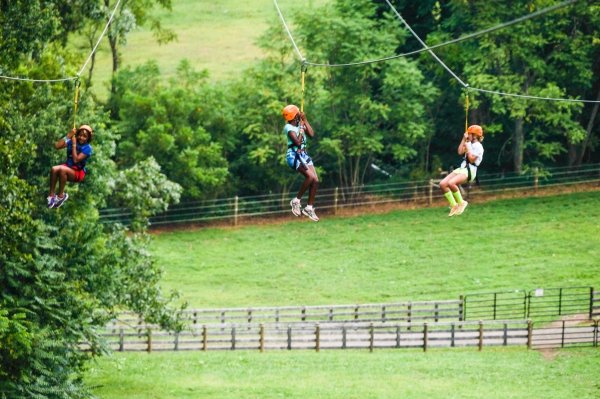
There are two main categories of zip line brakes: active and passive. The type of brake you choose will dramatically affect your business’s risk management and the life span of your zip line materials. Active zip line brakes depend on the rider to initiate the braking process. Passive zip line brakes automatically activate without the rider or a guide doing anything. While active brakes may give riders more participation in the experience, it introduces additional risk.